The Moorland Chat: A Comprehensive Exploration of Pinarochroa sordida
The rich tapestry of avian biodiversity is woven together by countless unique species, each contributing its distinct thread to the ecological fabric of our planet. Among these, the Moorland Chat, scientifically known as Pinarochroa sordida, stands out as a remarkable bird of the highland regions of East Africa. This article delves into the characteristics, habitat, behavior, and conservation status of this fascinating species.
Taxonomy and Description
The Moorland Chat belongs to the family Muscicapidae, which includes small to medium-sized insectivorous birds known as Old World flycatchers. Originally described in 1851 by the eminent zoologist Eduard Rüppell, the species has been the subject of various taxonomic discussions over the years.
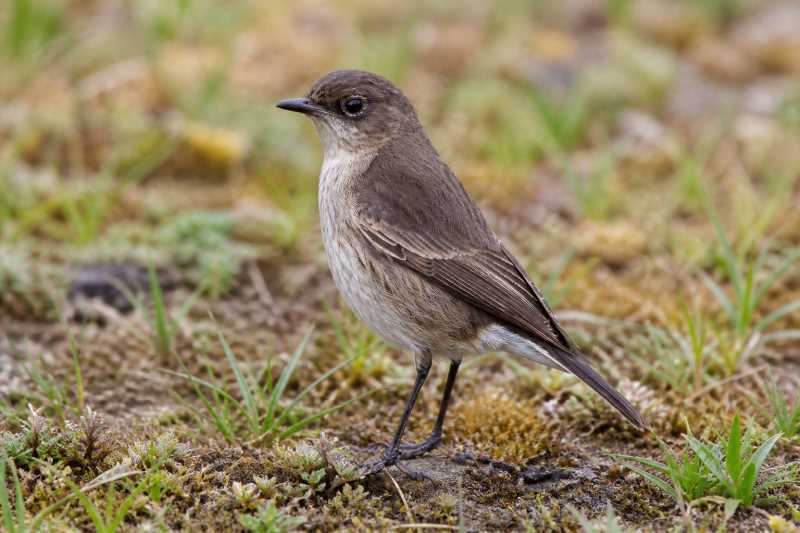
An adult Moorland Chat typically measures about 16-18 cm in length, with a wingspan spanning approximately 25-27 cm. Its plumage is predominantly dark brown, which provides excellent camouflage against the earthy tones of its natural habitat. The bird’s underparts are lighter, often appearing pale or whitish, which can vary slightly between subspecies. Both sexes are similar in appearance, although juveniles tend to have a more mottled appearance.
Distribution and Habitat
The distribution of the Moorland Chat is largely confined to the high-altitude regions of East Africa, encompassing countries such as Ethiopia, Kenya, Uganda, and northern Tanzania. These birds thrive in montane grasslands and moorlands, typically at elevations ranging from 2,000 to 4,300 meters above sea level. Such environments offer a mix of open spaces and scattered vegetation, ideal for foraging and nesting.
Moorland Chats are particularly well adapted to the harsh conditions of high-altitude habitats, with their robust legs aiding in navigating rocky terrains. These birds are often found in the company of other highland species, sharing their habitat with the likes of sunbirds, pipits, and larks.
Behavior and Ecology
The Moorland Chat is a diurnal bird, most active during the early morning and late afternoon. Its diet primarily consists of insects and other small invertebrates, which it skillfully captures through a combination of aerial sallies and ground foraging. The bird’s keen eyesight and agile flight make it an efficient predator of grasshoppers, beetles, and caterpillars.
Socially, Moorland Chats are solitary or found in pairs, particularly during the breeding season. They exhibit territorial behavior, often defending their chosen patch of land against intruders. During courtship, males engage in aerial displays and vocalizations to attract females, showcasing their agility and prowess.
Breeding typically occurs during the rainy season when food resources are abundant. Nests are built on the ground, concealed among rocks or vegetation. The female lays a clutch of 2-3 eggs, which she incubates diligently while the male provides food and protection.
Vocalizations
The vocal repertoire of the Moorland Chat is characterized by a series of melodious whistles and trills. These calls serve various functions, from territorial defense to mate attraction. The bird’s song, though not as complex as some of its songbird relatives, is a delightful addition to the highland soundscape.
Conservation Status and Threats
Currently, the International Union for Conservation of Nature (IUCN) classifies the Moorland Chat as a species of "Least Concern." This status reflects its relatively stable population across its natural range. However, like many bird species, the Moorland Chat faces potential threats from habitat degradation, climate change, and human encroachment.
Conservation efforts are essential to ensure the continued survival of the Moorland Chat. Protecting its montane habitats from deforestation and land conversion is crucial. Additionally, raising awareness about the species and its ecological role can help garner support for its conservation.
Conclusion
The Moorland Chat is a testament to the resilience and adaptability of avian life in the face of environmental challenges. Its presence enriches the biodiversity of the East African highlands, playing a vital role in the ecosystem as both predator and prey. As we continue to study and appreciate this remarkable bird, it is imperative to support efforts that safeguard its habitat and ensure its future.
In summary, the Moorland Chat is not just a bird; it is a symbol of the intricate and interdependent nature of life on Earth. By understanding and protecting such species, we embrace our responsibility as stewards of the natural world.
Related posts