Introduction
The Carib Grackle (Quiscalus lugubris) is a small yet striking bird species renowned for its adaptability and distinctive presence across the Caribbean. With its glossy plumage and sociable nature, the Carib Grackle is an integral component of the avian landscape in its native habitats. This article delves into the characteristics, behavior, habitat, and ecological significance of the Carib Grackle, providing insights into its role in the ecosystems it inhabits and its interactions with humans.
Physical Characteristics
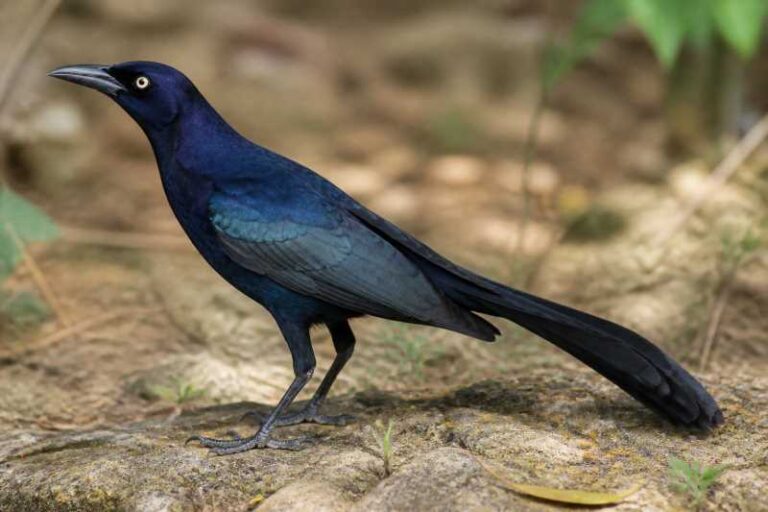
The Carib Grackle is a medium-sized bird, typically measuring between 27 to 30 cm in length. Males are generally larger than females and exhibit a striking iridescent black plumage with a vibrant purple or green sheen, depending on the light. Females, in contrast, have a more subdued brownish coloration, though they too display a subtle iridescence. The species is characterized by its long, slightly curved tail and strong, pointed beak, which are adapted for its varied diet.
Distribution and Habitat
The Carib Grackle is native to the Caribbean, with its range extending from the Bahamas and the Greater Antilles to the Lesser Antilles and the northern coast of South America. This bird is highly adaptable, thriving in diverse environments such as urban areas, agricultural lands, mangroves, and coastal regions. Its adaptability to human-modified landscapes has facilitated its widespread presence across the Caribbean islands.
Behavior and Ecology
Social Structure
Carib Grackles are highly social birds, often seen in flocks ranging from small family groups to large aggregations. These flocks are typically dynamic, with individuals joining and leaving as they forage for food or search for nesting sites. The social nature of the Carib Grackle is further highlighted during communal roosting, where large numbers gather in trees or other structures at dusk.
Feeding Habits
The Carib Grackle is an opportunistic feeder, with a diet that includes insects, small vertebrates, fruits, seeds, and human food scraps. Its foraging behavior is characterized by its versatility, as it employs various techniques such as probing, gleaning, and even scavenging. This dietary flexibility allows the Carib Grackle to exploit a wide range of food sources, contributing to its success in diverse habitats.
Reproduction
Breeding in Carib Grackles typically occurs during the wet season when food resources are abundant. The species is known for its cooperative breeding behavior, where offspring from previous broods assist their parents in raising new chicks. Nests are usually built in trees, shrubs, or man-made structures, and the female is primarily responsible for incubation, while both parents and helpers participate in feeding the young.
Vocalizations
Carib Grackles are known for their varied and complex vocal repertoire. Their calls range from melodious whistles to harsh, grating sounds. These vocalizations play a crucial role in communication, particularly in maintaining group cohesion and defending territories. The ability to mimic sounds from their environment, including human-made noises, adds another layer to their vocal complexity.
Ecological Significance
The Carib Grackle plays a vital role in the ecosystems it inhabits. As both predator and prey, it contributes to the regulation of insect populations and serves as a food source for larger predatory birds. Additionally, its foraging habits aid in seed dispersal, facilitating plant regeneration and contributing to habitat diversity.
Interactions with Humans
Carib Grackles have a long-standing relationship with humans, often seen in urban and suburban settings where they exploit food resources provided by human activities. While some people appreciate their presence and vocalizations, others view them as pests, particularly when they raid crops or congregate in large numbers, leading to noise and sanitation concerns.
Conservation Status
Currently, the Carib Grackle is listed as a species of Least Concern by the IUCN Red List due to its broad distribution and large, stable population. However, habitat destruction and changes in land use pose potential threats that could impact local populations. Conservation efforts aimed at preserving natural habitats and promoting coexistence with humans are essential to ensure the continued success of the Carib Grackle.
Conclusion
The Carib Grackle is a fascinating and resilient bird that embodies the dynamic nature of the Caribbean’s avian biodiversity. Its adaptability, social behavior, and ecological contributions underscore its significance in both natural and human-modified landscapes. Understanding and appreciating the Carib Grackle’s role in the ecosystem can foster greater awareness and promote conservation efforts to protect this charismatic species for future generations.
Related posts