The Enigmatic Splendor of the Philippine Dwarf Kingfisher (Ceyx melanurus): A Jewel of the Jungle
In the lush, verdant canopies of the Philippine archipelago, a small but striking bird flits about with an air of mystery and beauty that captures the imagination of birdwatchers and ornithologists alike. The Philippine Dwarf Kingfisher (Ceyx melanurus) is a rare and elusive species that has piqued the interest of conservationists due to its vibrant plumage and critical conservation status.
An Introduction to the Dwarf Kingfisher
The Philippine Dwarf Kingfisher, also known as the South Philippine Dwarf Kingfisher or Celestial Kingfisher, is a bird species endemic to the Philippines, specifically to the islands of Mindanao, Leyte, Samar, and the smaller islands in between. This bird is part of the Alcedinidae family, which comprises various species of kingfishers known for their vivid colors and exceptional hunting skills.
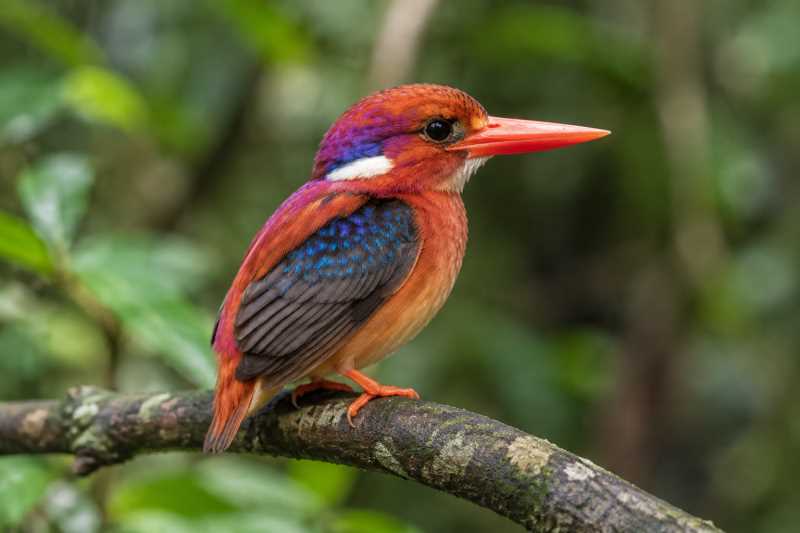
Measuring a mere 14 cm in length, the Philippine Dwarf Kingfisher is a diminutive creature, but its size is overshadowed by its stunning appearance. Its plumage is a dazzling blend of purple, blue, and orange, creating an iridescent display that stands out amidst the green foliage of its habitat.
Habitat and Behavior
These kingfishers are primarily found in lowland forests, often near streams and small bodies of water, where they skillfully hunt for insects and small invertebrates. The species is known for its secretive nature, often making it a challenge to observe in the wild. They prefer dense, mature forests where they can perch quietly, waiting patiently for prey.
The Philippine Dwarf Kingfisher is a solitary bird, coming together with others of its kind only during the breeding season. Its call, a sharp, high-pitched ‘tseep,’ is one of the few indicators of its presence, often heard before the bird is actually seen.
Conservation Status
The Philippine Dwarf Kingfisher is currently listed as Vulnerable on the IUCN Red List, with habitat loss posing the most significant threat to its survival. Deforestation for agriculture, logging, and urban development has led to the fragmentation of its natural habitat, making it increasingly difficult for these birds to find adequate food and breeding grounds.
Conservation efforts are underway to preserve the remaining forests of the Philippines and implement sustainable land-use practices to ensure that species like the Dwarf Kingfisher can thrive. Protecting these birds requires a multifaceted approach, including habitat restoration, legal protection of key areas, and community engagement in conservation activities.
The Importance of the Philippine Dwarf Kingfisher
The presence of the Philippine Dwarf Kingfisher in its native habitat is an important indicator of ecosystem health. As an insectivore, it plays a crucial role in controlling insect populations, thus maintaining a balanced ecosystem. Its presence also reflects the overall health of the forest environment, as it requires pristine conditions to thrive.
Moreover, the Dwarf Kingfisher holds cultural and economic significance for the Philippines. Birdwatching is a growing ecotourism activity in the country, attracting enthusiasts from around the world eager to catch a glimpse of this and other unique avian species. Promoting ecotourism can provide an economic incentive to conserve natural habitats, benefiting both the local communities and the wildlife.
The Future of the Philippine Dwarf Kingfisher
Although the future of the Philippine Dwarf Kingfisher is uncertain, there is hope that concerted conservation efforts can turn the tide for this captivating bird. Raising awareness about the importance of preserving its habitat is crucial, as is supporting local and international conservation organizations dedicated to protecting the Philippines’ rich biodiversity.
Research initiatives aimed at better understanding the ecology and behavior of the Dwarf Kingfisher can also provide valuable insights into how best to conserve the species. By working together, governments, NGOs, and local communities can create a sustainable future for the Philippine Dwarf Kingfisher and the myriad other species that call the Philippine forests home.
In conclusion, the Philippine Dwarf Kingfisher is more than just a bird; it is a symbol of the natural beauty and biodiversity of the Philippines. Protecting this remarkable creature requires a commitment to preserving the forests it inhabits, ensuring that future generations can also marvel at its enchanting presence.
Related posts