The Mangrove Kingfisher: A Jewel of Coastal Ecosystems
The Mangrove Kingfisher (Halcyon senegaloides) is a captivating bird species that inhabits the coastal mangroves and estuaries of eastern and southern Africa. Known for its striking plumage and distinct habitat, this kingfisher plays a vital role in the ecological balance of its environment.
Appearance and Identification
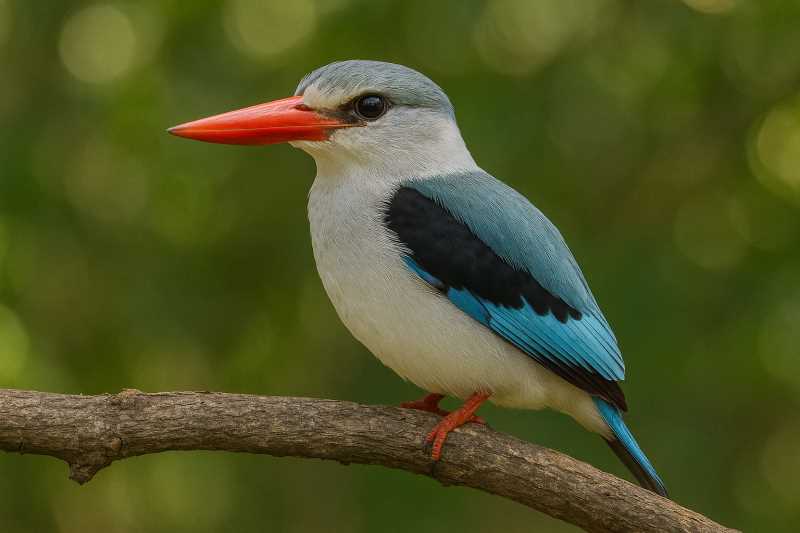
The Mangrove Kingfisher is a medium-sized bird, with an average length of 22-24 cm. Its plumage is a stunning blend of colors, with a vivid blue back and wings contrasted by a white underbelly. The bird’s head is adorned with a distinctive black mask that extends from the bill through the eye to the nape, enhancing its striking appearance. The bill itself is robust and bright red, a key characteristic that helps in identifying the species among other kingfishers.
Habitat and Distribution
As its name suggests, the Mangrove Kingfisher is closely associated with mangrove forests. These birds are primarily found along the eastern coastline of Africa, from Somalia in the north to South Africa in the south. They favor estuarine environments where saltwater and freshwater intermingle, providing an abundance of prey.
This kingfisher’s reliance on mangroves makes it particularly vulnerable to habitat loss. Mangroves are crucial for protecting coastlines from erosion and provide essential breeding grounds for various marine species. Consequently, the health of these ecosystems directly impacts the survival of the Mangrove Kingfisher.
Behavior and Diet
The Mangrove Kingfisher is a solitary bird, often observed perched silently, waiting patiently for its next meal. It feeds primarily on crabs, insects, and small fish, which it catches with remarkable precision. The bird’s hunting technique involves a swift dive from a perch to snatch prey, a behavior typical of kingfishers.
During the breeding season, which coincides with the rainy months, the Mangrove Kingfisher becomes more vocal. Its call, a series of sharp whistles, can be heard echoing through the mangrove forests as males establish territories and attract mates. Breeding pairs are monogamous, and both parents participate in nurturing the young, ensuring a higher survival rate for their offspring.
Conservation Status
The Mangrove Kingfisher is currently classified as Least Concern by the International Union for Conservation of Nature (IUCN). However, this status belies the challenges the species faces. Habitat destruction due to coastal development, pollution, and climate change poses significant threats. As mangroves are cleared for agriculture, aquaculture, and urban expansion, the kingfisher’s habitat diminishes.
Conservation efforts are crucial to safeguard this species. Protecting and restoring mangrove forests not only benefits the Mangrove Kingfisher but also supports countless other species that depend on these habitats. Initiatives such as community-based conservation projects and international collaborations are vital in ensuring the long-term survival of these vital ecosystems.
The Importance of Mangrove Ecosystems
Mangroves are among the most productive and biologically diverse ecosystems on the planet. They act as nurseries for fish and invertebrates, provide vital resources for coastal communities, and play a significant role in carbon sequestration. The preservation of mangroves is not only essential for the survival of the Mangrove Kingfisher but also for maintaining the health of global environments.
Efforts to protect mangroves include reforestation projects, sustainable resource management, and legal protection of critical habitats. Engaging local communities in conservation efforts ensures that the benefits of healthy mangrove ecosystems are shared by all, promoting a sustainable relationship between humans and the natural world.
Conclusion
The Mangrove Kingfisher, with its vibrant colors and specialized habitat, is a symbol of the beauty and complexity of mangrove ecosystems. Protecting this species goes hand in hand with conserving the vital mangrove forests upon which it depends. Through concerted conservation efforts, we can ensure that future generations will continue to witness the splendor of the Mangrove Kingfisher gliding through the lush coastal landscapes of Africa.
Related posts