Introduction
The Pacific Antwren (*Myrmotherula pacifica*) is a small but captivating bird species that forms part of the family Thamnophilidae. This bird is predominantly found in the humid lowland forests of the Pacific coast of Colombia and Ecuador. Despite its relatively small stature, the Pacific Antwren plays a significant role in its ecosystem and represents a fascinating subject for both ornithologists and bird enthusiasts alike. This article delves into the characteristics, habitat, behavior, and conservation status of this remarkable species.
Physical Characteristics
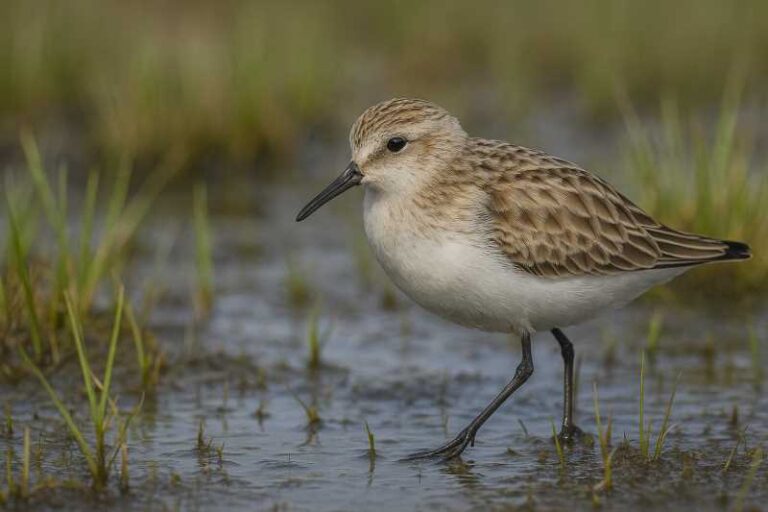
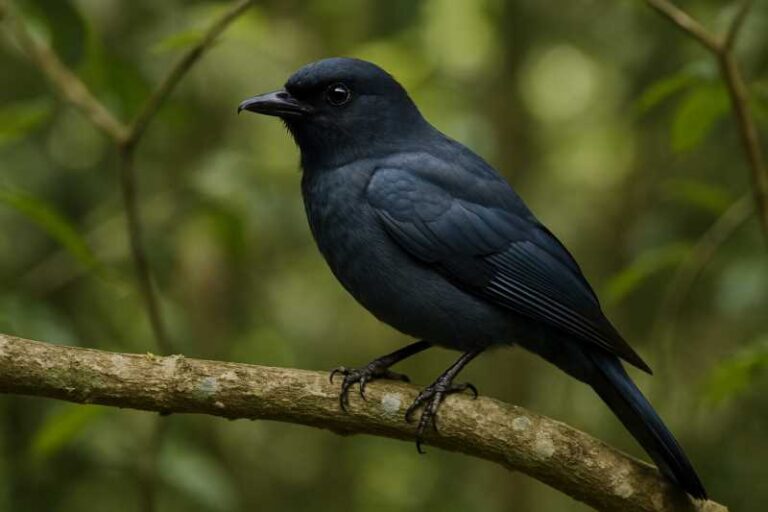
The Pacific Antwren is a diminutive bird, measuring approximately 9 to 10 centimeters in length. It exhibits subtle sexual dimorphism, with males and females having slightly different plumage. Males are typically characterized by their striking black and white patterns, with a more pronounced black coloration on the throat and a white belly. Females, on the other hand, tend to display more subdued hues, with browner tones replacing the stark black of the males. This dimorphism is not only functional for mating but also provides camouflage in the dense forest undergrowth.
Habitat and Distribution
*Myrmotherula pacifica* is endemic to the coastal regions of Colombia and Ecuador, favoring humid lowland forests and secondary growth forests. These birds are particularly adapted to life in the dense understory of these environments, where they navigate through thick foliage in search of food. The Pacific Antwren is a resident species, meaning it does not undertake long migratory journeys, and generally stays within the same range throughout its life.
The Pacific coast’s unique geoclimatic conditions offer a rich biodiversity, providing a suitable habitat for this and many other species. However, the area is under constant threat from deforestation and habitat degradation, posing significant challenges to the survival of native species like the Pacific Antwren.
Behavior and Diet
In terms of behavior, the Pacific Antwren is known for its active and agile nature. It moves swiftly through the lower strata of the forest, often in mixed-species flocks, which provides safety from predators and increases foraging efficiency. This bird’s diet mainly consists of small insects and arthropods, which it skillfully gleans from leaves and branches.
The Pacific Antwren has an intriguing foraging strategy, often seen hopping from branch to branch, pecking at leaves, and occasionally hanging upside down to reach hidden prey. This behavior is vital for maintaining the ecological balance by controlling insect populations.
Reproduction
Breeding in the Pacific Antwren is influenced by the wet and dry seasons of its habitat. During the breeding period, males become more vocal, using a series of whistles and calls to attract females and establish territories. Both male and female Pacific Antwrens participate in building the nest, which is typically a cup-shaped structure made from twigs and leaves, placed in the fork of a tree or shrub.
Once the nest is built, the female usually lays two eggs, which both parents incubate. This cooperative breeding strategy is essential for the survival of the offspring in the unpredictable forest environment. After hatching, both parents take turns feeding the chicks until they are ready to fledge.
Conservation Status
The Pacific Antwren is currently not listed as an endangered species, but its population is believed to be declining due to habitat loss. Deforestation, driven by agricultural expansion and logging, poses the most significant threat to their habitat. Conservation efforts are crucial to ensure the survival of this species, focusing on habitat preservation and sustainable land-use practices.
Organizations working in the region emphasize the importance of protected areas and community-based conservation initiatives. By involving local communities in conservation efforts, there is potential to foster sustainable development that benefits both the human population and the ecosystem.
Conclusion
The Pacific Antwren is a testament to the biodiversity of the Pacific coast forests of South America. Its presence highlights the intricate balance of natural ecosystems and the delicate interdependencies between species. To preserve the Pacific Antwren for future generations, concerted conservation efforts are necessary, focusing on habitat protection and sustainable environmental practices. As we continue to study and learn from this remarkable species, the hope is to inspire broader awareness and action towards protecting the rich biodiversity of our planet.
References
1. BirdLife International. (2021). *Myrmotherula pacifica* species factsheet.
2. Schulenberg, T. S., et al. (2019). *Birds of the World*. Cornell Lab of Ornithology.
3. IUCN Red List of Threatened Species. (2021). *Myrmotherula pacifica*.
Acknowledgments
Special thanks to the local conservationists and researchers dedicated to studying and protecting the Pacific Antwren and its habitat.
Related posts