The Chattering Kingfisher: A Jewel of the Pacific Islands
The Chattering Kingfisher, scientifically known as Todiramphus tutus, is a fascinating bird species that captivates ornithologists and nature enthusiasts alike. This avian marvel, part of the Alcedinidae family, is renowned for its vibrant plumage and distinctive call, making it a standout inhabitant of the Pacific Islands. In this article, we delve into the habitat, behavior, and conservation of this remarkable bird, showcasing its significance in the ecosystems it inhabits.
Habitat and Distribution
The Chattering Kingfisher is primarily found in the dense forests and coastal regions of the Pacific Islands, including Samoa and the Cook Islands. These islands provide an ideal environment for the kingfisher, with their lush vegetation and abundant waterways. The bird thrives in subtropical and tropical moist lowland forests, where it can be seen perching quietly on branches, scanning for prey.
Despite its limited range, the Chattering Kingfisher has adapted well to its habitat. Its presence is often an indicator of healthy forest ecosystems, as it relies on the availability of small prey and nesting sites, which are abundant in undisturbed forest areas. This species’ reliance on pristine environments underscores the importance of conserving its natural habitat.
Physical Characteristics
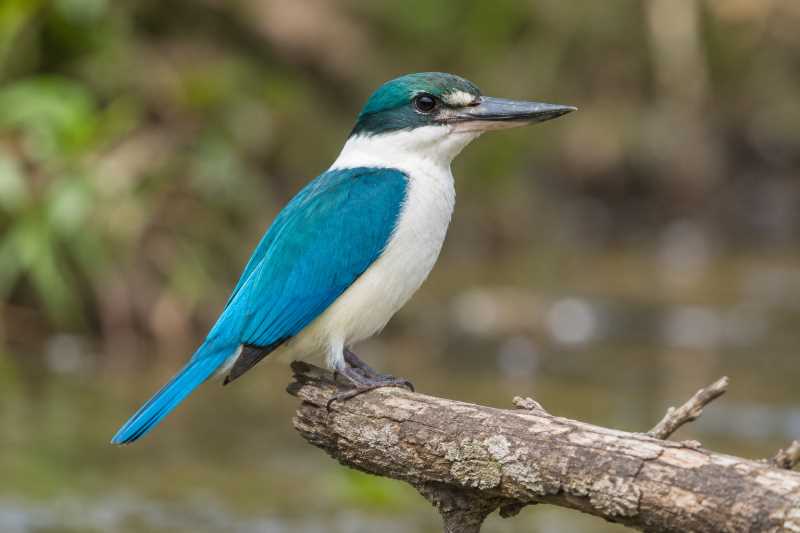
The Chattering Kingfisher is a medium-sized bird, measuring approximately 20 to 24 centimeters in length. Its most striking feature is its vivid plumage, which includes a combination of bright blue, green, and white feathers. The bird’s head and wings are adorned with a radiant blue-green hue, while its underparts are predominantly white. Its distinctive coloration not only serves as a visual delight but also aids in camouflage among the foliage.
The kingfisher’s strong, pointed bill is perfectly adapted for its diet, allowing it to catch a variety of prey with precision. Its feet, though small, are strong enough to grip branches firmly, providing stability as it scans the surrounding area for its next meal.
Behavior and Diet
As its name suggests, the Chattering Kingfisher is known for its vocalizations. Its call is a series of high-pitched, repetitive notes that can often be heard echoing through the forest. This vocal activity plays a crucial role in communication, territory establishment, and mate attraction.
The diet of the Chattering Kingfisher primarily consists of insects, small reptiles, and occasionally, small fish. The bird employs a sit-and-wait hunting strategy, perching silently until it spots potential prey. With a swift dive, it captures its target with remarkable accuracy, a testament to its highly developed hunting skills.
Reproduction and Lifespan
The breeding season for the Chattering Kingfisher typically occurs during the warmer months, when food is plentiful. The species is monogamous, with pairs often returning to the same nesting site year after year. Nests are usually built in tree cavities, where the female lays a clutch of two to three eggs.
Both parents share the responsibility of incubating the eggs and feeding the chicks once they hatch. The young kingfishers fledge after approximately four weeks, gaining independence soon after. The lifespan of the Chattering Kingfisher in the wild is not well-documented, but it is believed to be around 6 to 10 years, depending on environmental conditions and predation pressures.
Conservation Status
The Chattering Kingfisher is currently classified as Near Threatened on the IUCN Red List. While it is not immediately at risk of extinction, habitat loss and degradation pose significant threats to its population. Deforestation for agriculture and development has led to the fragmentation of its habitat, reducing available nesting sites and food sources.
Conservation efforts are crucial to preserving the Chattering Kingfisher and its habitat. Initiatives such as reforestation, habitat protection, and awareness campaigns can help mitigate the impact of human activities on this species. Furthermore, research into its population dynamics and ecological role can provide valuable insights for effective conservation strategies.
Conclusion
The Chattering Kingfisher is a symbol of the rich biodiversity found in the Pacific Islands. Its vibrant appearance and unique behaviors make it a cherished subject of study and admiration. Protecting this species and its habitat is not only vital for its survival but also for the health of the ecosystems it inhabits. By appreciating and conserving the Chattering Kingfisher, we contribute to the broader efforts of preserving the natural beauty and ecological balance of our planet.
Related posts