Bar-winged Wren-Babbler: A Jewel of Asian Forests
The Bar-winged Wren-Babbler (Spelaeornis troglodytoides) is a captivating bird species that has intrigued ornithologists and bird enthusiasts alike. Endemic to the Eastern Himalayas, this bird is a testament to the rich biodiversity of the region. Its unique characteristics and behaviors make it a fascinating subject for study and observation.
Habitat and Distribution
The Bar-winged Wren-Babbler is predominantly found in the subtropical or tropical moist montane forests of Bhutan, India, and Nepal. These regions offer an ideal habitat with dense undergrowth and a rich supply of insects, which form the primary diet of this bird. The bird prefers elevations ranging from 1,500 to 3,000 meters, where it can thrive in the cool, humid climate.
Physical Characteristics
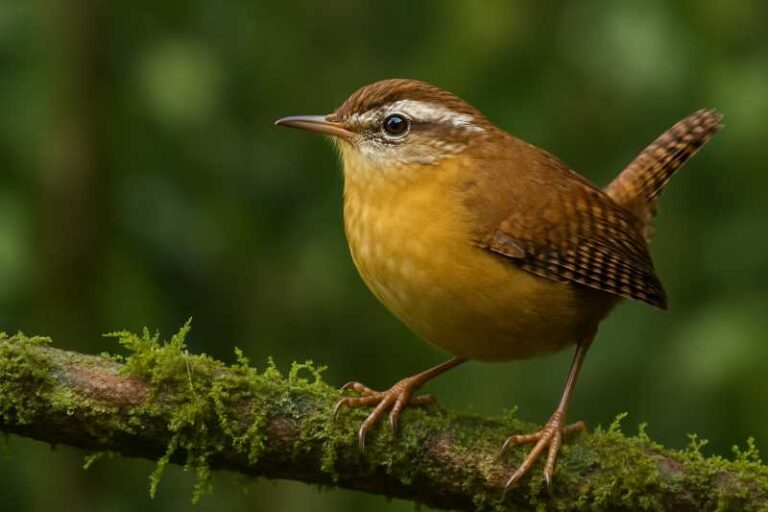
One of the most striking features of the Bar-winged Wren-Babbler is its plumage. The bird is primarily brown with distinctive white bars on its wings, which give it its name. It has a short tail and a slightly curved bill, adapted for foraging in the underbrush. The bird’s size is modest, typically measuring around 10 cm in length, making it an inconspicuous resident of its forest home.
Behavior and Diet
The Bar-winged Wren-Babbler is a highly active and social bird, often found in small flocks. It exhibits a curious nature, frequently seen hopping on the forest floor in search of food. Its diet mainly consists of insects and spiders, which it gleans from leaf litter and low vegetation. The bird’s foraging behavior is characterized by quick, jerky movements and a constant flicking of its wings.
The vocalizations of the Bar-winged Wren-Babbler are another remarkable feature. It produces a series of high-pitched, melodious notes that resonate through the forest. These calls play a crucial role in establishing territory and maintaining social bonds within flocks.
Breeding and Lifecycle
The breeding season of the Bar-winged Wren-Babbler typically occurs from April to June. During this time, the birds engage in elaborate courtship displays, which include vocal duets and synchronized movements. They build cup-shaped nests close to the ground, often hidden in dense undergrowth to protect their eggs and chicks from predators.
A typical clutch consists of two to three eggs, which are incubated by both parents. After hatching, the chicks are cared for by both the male and female, showcasing a strong pair bond and cooperative parenting. The young fledge after about 12 to 14 days but remain dependent on their parents for some time post-fledging.
Conservation Status
Currently, the Bar-winged Wren-Babbler is listed as a species of Least Concern by the IUCN Red List. However, deforestation and habitat degradation pose significant threats to its population. Conservation efforts are crucial to ensure the preservation of its natural habitat and to maintain the ecological balance of the regions it inhabits.
Ecological Importance
The Bar-winged Wren-Babbler plays an essential role in the ecosystem as an insectivore, helping to control insect populations. Its presence indicates a healthy forest environment, as it requires a specific habitat to thrive. By protecting this species, we also safeguard the complex web of life that exists within its habitat.
Human Interaction and Cultural Significance
In regions where the Bar-winged Wren-Babbler is found, it is often a favorite among birdwatchers due to its elusive nature and beautiful song. The bird has also made its way into local folklore and storytelling, often symbolizing tenacity and adaptability.
Efforts by local communities to conserve their natural resources have indirectly benefited the Bar-winged Wren-Babbler. Community-led eco-tourism has raised awareness and provided economic incentives to protect local biodiversity, including this charming bird.
Conclusion
The Bar-winged Wren-Babbler is a remarkable species that embodies the rich biodiversity of the Eastern Himalayan forests. Its unique characteristics and behaviors offer invaluable insights into the ecological dynamics of its habitat. Continued research and conservation efforts are essential to ensure that this species, along with the myriad of other organisms that share its environment, can thrive for generations to come.
For bird enthusiasts and researchers, the Bar-winged Wren-Babbler represents more than just a bird; it is a symbol of the intricate and beautiful tapestry of life that is found in the Himalayas. Protecting this species is not just about conserving a single bird but preserving the delicate balance of nature that sustains us all.
Related posts