Understanding Heuglin’s Bustard: A Study of the Elusive Avian
Heuglin’s Bustard, scientifically known as Neotis heuglinii, is a fascinating bird species that belongs to the Otididae family. Known for its elusive nature and striking appearance, this bird is native to the grasslands and savannas of Eastern Africa. Its very existence speaks volumes about the biodiversity of the African continent, and studying it provides insight into the ecological balance within these regions.
Physical Characteristics
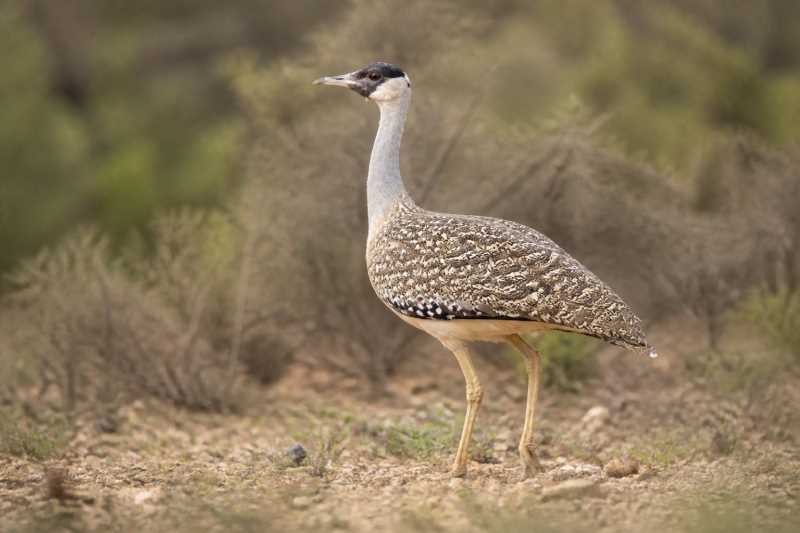
Heuglin’s Bustard is a large bird, with males typically larger than females, a characteristic known as sexual dimorphism. The average length of the bird ranges from 80 to 100 centimeters, with a wingspan that can stretch up to 180 centimeters. The males are usually more vibrant in color, boasting a mix of brown, black, and white plumage. The head is often marked with a striking black crown and white cheeks, while the neck displays a subtle blend of gray and white. Females, on the other hand, are more subdued in their coloring, which provides them with camouflage against predators in their natural habitat.
Habitat and Distribution
Heuglin’s Bustard is primarily found in the dry savannas and open grasslands of Eastern Africa, particularly in countries like Kenya, Tanzania, and Ethiopia. These birds prefer areas with sparse tree cover and are often seen in regions that offer a mix of tall grasses and open spaces, which are ideal for their ground-dwelling lifestyle. Their habitat preferences make them vulnerable to changes in land use, such as agriculture and urban development, which often lead to habitat fragmentation.
Behavioral Traits
Heuglin’s Bustard is a ground-dwelling bird that showcases remarkable terrestrial agility. It is known for its solitary nature, although it can sometimes be seen in pairs or small groups, especially during the breeding season. This bird is omnivorous, feeding on a diet that includes insects, small vertebrates, seeds, and plant material. It is a diurnal feeder, meaning it forages for food during the daytime.
During the breeding season, males perform elaborate displays to attract females. These displays include vocalizations and intricate physical movements, designed to showcase their fitness and attract a mate. Once a pair forms, the female is primarily responsible for nesting and raising the young. The nests are typically shallow scrapes on the ground, lined with grasses and leaves, where the female lays one to three eggs.
Conservation Status
According to the International Union for Conservation of Nature (IUCN), Heuglin’s Bustard is currently classified as Least Concern. However, like many other species, it faces threats from habitat destruction, hunting, and climate change. Conservation efforts are crucial in ensuring the survival of these birds, especially in areas where their habitats are under threat from human activities.
Ecological Importance
Heuglin’s Bustard plays a vital role in its ecosystem. As both predator and prey, it helps maintain the balance within its food web. By feeding on insects and small vertebrates, it helps control these populations, contributing to the overall health of the grassland habitat. Furthermore, as a prey species, it supports the existence of larger predators within its ecosystem.
Research and Observation
For ornithologists and bird enthusiasts, observing Heuglin’s Bustard in its natural habitat provides invaluable data on avian behavior and ecology. Research efforts often focus on understanding their breeding habits, migration patterns, and responses to environmental changes. Banding and satellite tracking are common methods used to gather data on their movement and population dynamics.
Conclusion
Heuglin’s Bustard is a remarkable bird, emblematic of the rich biodiversity found in Eastern Africa. Protecting this species requires a concerted effort to conserve its habitat and mitigate threats posed by human activities. As we continue to study and learn from this and other species, it becomes increasingly clear that preserving biodiversity is not just about protecting individual species but also about maintaining the intricate web of life that supports all forms of life on our planet.
Related posts