The Arabian Lark: A Comprehensive Study of Eremalauda eremodites
Introduction
The Arabian Lark, scientifically known as Eremalauda eremodites, is a fascinating bird species that catches the attention of ornithologists and bird enthusiasts alike. This article delves into the various aspects of the Arabian Lark, including its taxonomy, physical characteristics, habitat, behavior, diet, reproduction, conservation status, and its significance in the ecosystem. This comprehensive study aims to provide a detailed understanding of this unique bird species found predominantly in the Arabian Peninsula.
Taxonomy and Classification
The Arabian Lark belongs to the family Alaudidae, which encompasses a wide range of larks known for their melodious songs and adaptability to arid environments. The species Eremalauda eremodites was first described in the early 20th century, and its classification has been subject to various revisions as more genetic and behavioral data have become available. Taxonomically, the Arabian Lark is closely related to other larks in the Eremalauda genus, sharing common characteristics that define their ecological niche in desert landscapes.
Physical Characteristics
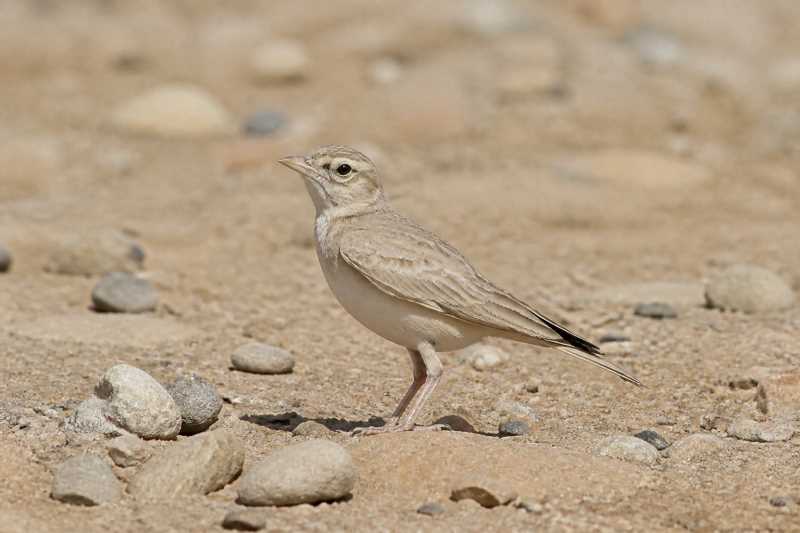
The Arabian Lark is a small bird, typically measuring between 15-18 centimeters in length. It boasts a compact and robust body, with a plumage that ranges from sandy brown to gray, providing excellent camouflage against the desert backdrop. The lark’s wings are relatively short, yet its flight is agile and swift, adapted for quick escapes from predators. Notably, the Arabian Lark has a distinctive tuft of feathers on its head, which can be raised or lowered depending on its mood or environmental conditions. Its beak is short and conical, perfectly suited for its diet of seeds and insects.
Habitat and Distribution
The Arabian Lark is predominantly found in the arid and semi-arid regions of the Arabian Peninsula, including countries such as Saudi Arabia, Oman, and the United Arab Emirates. It thrives in desert habitats, particularly favoring open landscapes with sparse vegetation and sandy soils. The lark’s ability to withstand extreme temperatures and scarce water resources is a testament to its remarkable adaptation skills. Seasonal migrations are observed in some populations, as they move to areas with more abundant food resources during harsh climatic conditions.
Behavior and Social Structure
Arabian Larks are known for their territorial behavior, often seen defending their nesting sites against intruders. They are diurnal birds, active during the cooler parts of the day, and tend to rest during the intense midday heat. Their social structure is primarily solitary, although they may form small groups during the breeding season or when foraging. Communication among these larks is facilitated through a series of calls and songs, which play a crucial role in mating rituals and territorial displays.
Diet and Feeding Habits
The diet of the Arabian Lark is diverse, primarily consisting of seeds and insects. Its feeding habits are opportunistic, allowing it to exploit available food resources effectively. During the breeding season, insects become a significant part of their diet, providing the necessary protein for raising chicks. The lark’s foraging techniques involve scouring the ground for food, often using its beak to dig for hidden seeds or insects. Water intake is minimal, as they derive most of their hydration from their food.
Reproduction and Lifespan
The breeding season of the Arabian Lark is typically aligned with the availability of food resources, often commencing after the brief rainy season. Nesting sites are usually located on the ground, hidden among shrubs or grass to provide camouflage from predators. The female lays a clutch of 2-4 eggs, which are incubated for about two weeks. Both parents participate in feeding and caring for the chicks, which fledge after approximately three weeks. The lifespan of the Arabian Lark in the wild is estimated to be around 5-7 years, although this can vary depending on environmental conditions and predation pressures.
Conservation Status
As of the latest assessments, the Arabian Lark is classified as a species of Least Concern by the International Union for Conservation of Nature (IUCN). However, its populations are subject to threats such as habitat loss due to urbanization, climate change, and human disturbances. Conservation efforts are essential to ensure the preservation of its natural habitats and to monitor population trends. Continued research and habitat management strategies are crucial to mitigate potential threats and to maintain healthy populations of the Arabian Lark.
Role in the Ecosystem
The Arabian Lark plays a vital role in its ecosystem, contributing to seed dispersal and insect population control. As a prey species, it supports a range of desert predators, including birds of prey and small mammals. Its presence is indicative of a healthy desert ecosystem, and its adaptability highlights the resilience of life in arid environments. Furthermore, the Arabian Lark serves as an important subject in studies related to desert ecology and adaptation, providing insights into the survival mechanisms of avian species in harsh climates.
Conclusion
The Arabian Lark, Eremalauda eremodites, is a remarkable bird species with unique adaptations that enable it to thrive in the challenging environments of the Arabian Peninsula. Its study offers valuable insights into avian ecology, behavior, and conservation. Protecting this species and its habitat is not only crucial for its survival but also for maintaining the biodiversity and ecological balance of desert ecosystems. Continued research and conservation initiatives will play a pivotal role in ensuring that future generations can admire and study this captivating bird.
Related posts