The Brown-breasted Kingfisher: A Jewel of the Avian World
The avian world is vast and diverse, teeming with species that dazzle with their colors and charm with their behaviors. Among these is the Brown-breasted Kingfisher (Halcyon gularis), a bird that stands out not just for its striking appearance but also for its unique ecological niche. This article explores the fascinating aspects of this captivating bird, from its habitat and behavior to its role in the ecosystem.
Habitat and Distribution
The Brown-breasted Kingfisher is predominantly found in the Indian subcontinent, with its range extending into parts of Southeast Asia. This bird prefers lowland forests, mangroves, and sometimes even urban areas, showing a surprising adaptability to different environments. Its preference for habitats near water bodies, such as rivers, lakes, and coastlines, is typical of kingfishers, as these areas provide ample hunting opportunities.
Due to its widespread distribution, the Brown-breasted Kingfisher can be found in a variety of countries, including India, Bangladesh, Myanmar, and Thailand. Its adaptability to different habitats is a testament to its resilience and evolutionary success, allowing it to thrive in both natural and modified landscapes.
Physical Characteristics
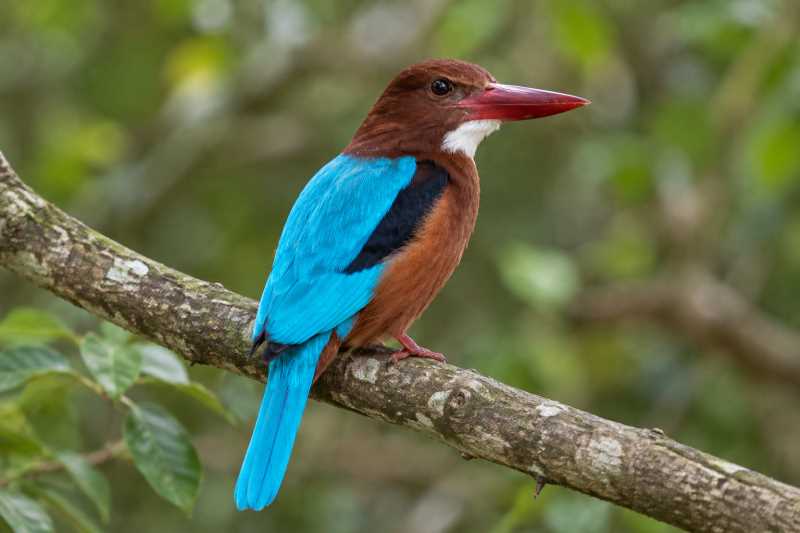
The Brown-breasted Kingfisher is a medium-sized bird, measuring between 25 to 28 centimeters in length. Its most striking feature is its vivid plumage, which includes a rich chestnut-brown breast and a contrasting blue-green back and wings. The bird’s head is predominantly brown, with a distinctive white patch on the throat that enhances its striking appearance.
One cannot overlook the kingfisher’s large, robust bill, which is perfectly adapted for catching and consuming prey. The bill is typically reddish-orange, adding to the bird’s vibrant color palette. Its strong legs and short tail further aid in its hunting and perching activities, making it a highly efficient predator in its habitat.
Diet and Hunting Behavior
True to its name, the Brown-breasted Kingfisher is an adept hunter, primarily feeding on a diet of fish, insects, and small amphibians. Its hunting technique is a marvel to observe; the bird perches patiently, scanning the water below for movement. Once prey is spotted, it dives with remarkable precision, using its sharp bill to snatch its target.
Aside from aquatic prey, the kingfisher is also known to hunt on land, preying on insects such as grasshoppers and beetles. This versatility in diet not only ensures its survival in various environments but also highlights its role as an important predator in controlling insect populations.
Breeding and Nesting
The breeding season for the Brown-breasted Kingfisher typically spans from March to June, coinciding with the onset of the monsoon in many regions of its range. During this time, the birds engage in elaborate courtship displays, which include vocal calls and aerial acrobatics.
Nesting usually occurs in burrows excavated in riverbanks, termite mounds, or even in the ground. The female lays a clutch of about three to six eggs, which are incubated by both parents. The cooperative nature of their breeding behavior ensures high survival rates for the chicks, which fledge after about 25 to 30 days.
Conservation Status and Threats
Currently, the Brown-breasted Kingfisher is classified as a species of Least Concern by the International Union for Conservation of Nature (IUCN). Despite this relatively secure status, the bird faces threats from habitat destruction, pollution, and climate change, which could impact its populations in the future.
One of the primary concerns is habitat loss due to deforestation and urbanization, which reduces the availability of suitable nesting and hunting grounds. Additionally, pollution of water bodies can affect the availability of fish and other aquatic prey, posing a significant challenge to the survival of this species.
Ecological Importance and Human Interaction
The Brown-breasted Kingfisher plays a crucial role in its ecosystem as both a predator and a prey species. By controlling fish and insect populations, it helps maintain the ecological balance in its habitat. Furthermore, as a prey species, it supports higher trophic levels, contributing to the overall biodiversity of the region.
Human interaction with the Brown-breasted Kingfisher is mostly positive. In many cultures, kingfishers are considered symbols of prosperity and good fortune, often featuring in folklore and art. Birdwatching enthusiasts also contribute to the conservation of this species by promoting awareness and appreciation of its beauty and ecological significance.
Conclusion
The Brown-breasted Kingfisher is a remarkable bird that exemplifies the beauty and complexity of the natural world. Its vibrant plumage, skilled hunting techniques, and adaptability make it a fascinating subject of study for ornithologists and bird lovers alike. As we continue to explore and understand the avian world, it is crucial to ensure the preservation of such species, which enrich our ecosystems and cultural heritage. By safeguarding their habitats and promoting conservation efforts, we can ensure that future generations will also have the opportunity to admire the Brown-breasted Kingfisher in all its glory.
Related posts