The Enigmatic Guadalcanal Owl: A Jewel of the Solomon Islands
The Guadalcanal Owl, known scientifically as Athene granti, is a captivating avian species endemic to the Solomon Islands. With its enigmatic presence and distinct characteristics, this owl represents a unique component of the region’s biodiversity. The conservation of this species is crucial, not only for ecological balance but also for maintaining the natural heritage of the Solomon Islands.
Taxonomy and Classification
The Guadalcanal Owl belongs to the family Strigidae, which encompasses typical owls. Initially described as a subspecies of the Solomon Islands Owl, it was later recognized as a distinct species due to its unique characteristics. Named after the island of Guadalcanal, where it is predominantly found, Athene granti has carved a niche in the ornithological community due to its distinct traits and limited range.
Physical Characteristics
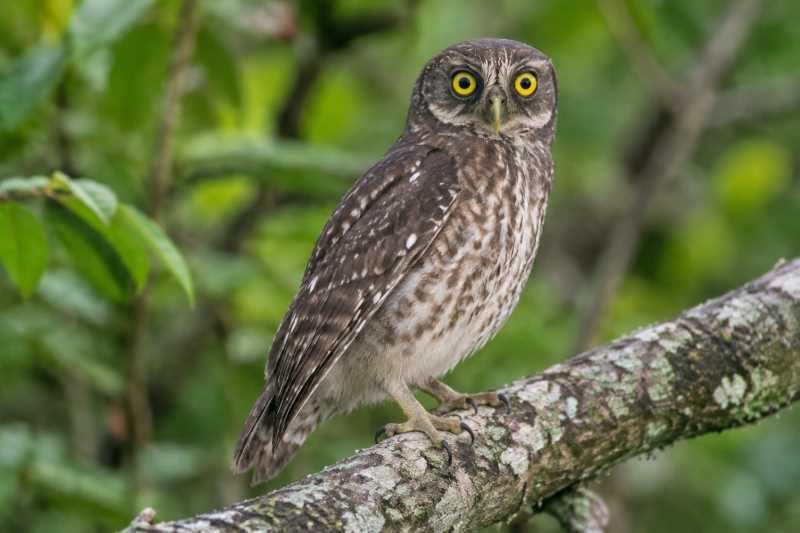
The Guadalcanal Owl is a medium-sized owl, with adults averaging around 25-30 cm in length. Its plumage is primarily a mottled brown, providing excellent camouflage against the forest backdrop. The owl’s eyes are large and expressive, a common trait among nocturnal hunters, aiding in its exceptional night vision. One of the most distinctive features of the Guadalcanal Owl is its facial disc, which is less pronounced compared to other owl species but serves the essential function of directing sound to the owl’s ears.
Habitat and Range
The natural habitat of the Guadalcanal Owl is the dense tropical forests of Guadalcanal Island. These forests provide a rich environment with ample prey and nesting opportunities. The owl’s preference for undisturbed, mature forests highlights the importance of habitat conservation in its survival. Unfortunately, the ongoing deforestation and habitat fragmentation in the Solomon Islands pose a significant threat to these habitats.
Behavior and Diet
As a nocturnal predator, the Guadalcanal Owl is most active during the night. Its diet primarily consists of insects, small mammals, and occasionally smaller birds. The owl employs a sit-and-wait hunting strategy, using its acute sense of hearing to detect prey movements in the underbrush. This hunting method is energy-efficient and effective, allowing the owl to thrive in its natural habitat.
During the breeding season, which aligns with the wetter months, the Guadalcanal Owl exhibits territorial behavior. Males can be heard calling to establish their territory and attract females. The nests are typically located in tree cavities, providing a safe environment for the young.
Conservation Status
The Guadalcanal Owl is currently listed as Vulnerable on the IUCN Red List. The primary threat to its survival is habitat destruction due to logging, agriculture, and human settlement expansion. Conservation efforts focused on habitat preservation are crucial for the continued existence of this species. Local and international conservation organizations are working towards establishing protected areas and promoting sustainable land-use practices.
Importance of Conservation
Protecting the Guadalcanal Owl is vital for several reasons. Ecologically, owls play a crucial role in controlling small mammal and insect populations, helping to maintain a balanced ecosystem. Additionally, the owl holds cultural significance for the indigenous communities of the Solomon Islands, symbolizing wisdom and mystery.
Conservation initiatives that involve local communities in protection efforts have shown promise. By educating residents on the importance of biodiversity and involving them in conservation activities, these programs aim to foster a sense of stewardship towards local wildlife.
Future Prospects
The future of the Guadalcanal Owl depends heavily on the effectiveness of conservation strategies implemented today. As awareness grows about the importance of preserving biodiversity, there is hope that sustainable practices will become the norm, ensuring the survival of this enigmatic species. Continued research is essential to better understand the owl’s ecology and inform conservation strategies.
In conclusion, the Guadalcanal Owl is more than just a bird; it is a symbol of the rich natural heritage of the Solomon Islands. Its survival is interlinked with the health of its forest habitat and the commitment of humans to protect these vital ecosystems. By safeguarding the Guadalcanal Owl, we are preserving a piece of the Earth’s natural tapestry for future generations to appreciate and learn from.
Related posts