The Great Bowerbird is a fascinating species that captures the imagination of birdwatchers and researchers alike. Native to northern Australia, this member of the bowerbird family is known not only for its striking appearance but also for its complex and artistic courtship behavior. With a reputation for intelligence and creativity, the Great Bowerbird is a living testament to the wonders of avian evolution and the power of sexual selection.
Identification
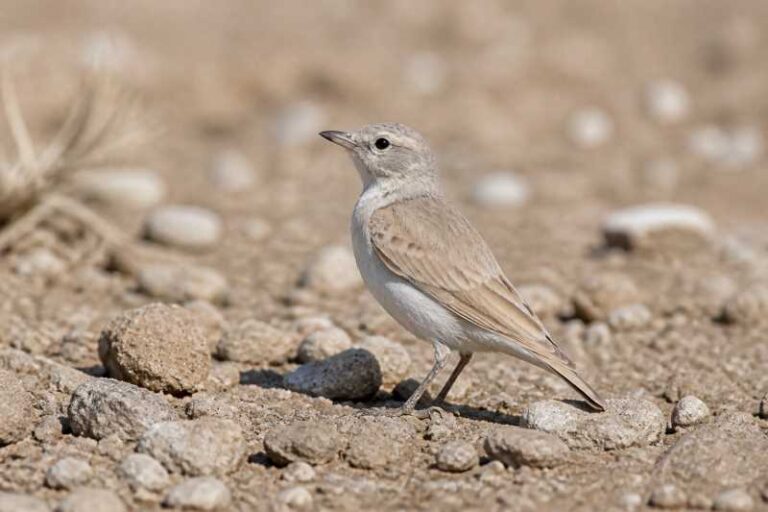
The Great Bowerbird is the largest of all bowerbird species, measuring about 33 to 38 cm in length. It is a sturdy bird with predominantly pale brownish-grey plumage, making it relatively inconspicuous in the dry, open habitats it frequents. The underparts are lighter, and its tail is long and slightly rounded.
A key distinguishing feature, visible primarily during courtship displays, is a lilac-pink crest or nuchal patch on the back of the neck. This iridescent patch is normally concealed under the plumage but is dramatically flared during displays to attract females. The bird also has a strong, slightly curved bill and pale yellowish eyes that give it a piercing gaze.
Habitat and Distribution
The Great Bowerbird is endemic to northern Australia, ranging from the Kimberley region of Western Australia across the Top End of the Northern Territory and into western and central Cape York Peninsula in Queensland. It prefers dry open forests, woodland edges, savannahs, and areas near watercourses.
This species is highly adaptable and can sometimes be found near human habitation, including gardens and parks in northern towns such as Darwin and Cairns. Its ability to exploit a variety of habitats contributes to its stable population.
Behavior
What sets the Great Bowerbird apart from many other birds is its unique courtship behavior. Males do not use song to attract mates but instead build elaborate structures called bowers. These bowers are avenues made of grass and twigs, usually around 1 meter long and 30 centimeters high, with two parallel walls.
The area in front of the bower is meticulously decorated with objects the male collects—shells, bones, bits of glass, plastic, stones, and fruit. These objects are often arranged by color and size to create optical illusions or forced perspective effects, believed to enhance the display from the female’s viewpoint.
When a female approaches, the male performs a series of displays, flaring his lilac-pink crest, bobbing his head, and moving rhythmically to entice her to inspect the bower. If impressed, the female will mate with the male but will then go off to nest and raise the young on her own.
Diet
The Great Bowerbird is omnivorous, feeding on a mix of fruits, insects, seeds, and small vertebrates such as lizards. Its varied diet reflects the diversity of habitats it occupies. It forages both in trees and on the ground and has been observed stealing food from picnic areas or feeding stations.
Its frugivorous habits also make it an important seed disperser, playing a role in maintaining the health and regeneration of its native ecosystems.
Breeding
Breeding takes place during the austral spring and summer, typically from September to February, although it may vary with local rainfall patterns. Only males build bowers, and they may maintain and reuse them across multiple breeding seasons.
After mating, the female builds a cup-shaped nest high in a tree and lays one to three eggs. She incubates the eggs and cares for the chicks alone. The chicks fledge after several weeks, but survival rates are modest due to predation and environmental pressures.
Conservation Status
Currently, the Great Bowerbird is classified as a species of Least Concern by the IUCN. It has a broad distribution and a stable population. However, like many native Australian birds, it could face future threats from habitat fragmentation, invasive species, and climate change.
Conservationists monitor its habitat, especially as northern Australia experiences development and land-use changes. Educating the public about the ecological role and unique behavior of bowerbirds can also support broader conservation goals.
Conclusion
The Great Bowerbird is not just a bird; it is an artist, architect, and engineer rolled into one feathered package. Its combination of elaborate bower-building, visual artistry, and complex behavior makes it one of the most remarkable birds in the world. Whether glimpsed in the wild or observed during a courtship ritual, this species offers a window into the intelligence and diversity of avian life in Australia.
Related posts