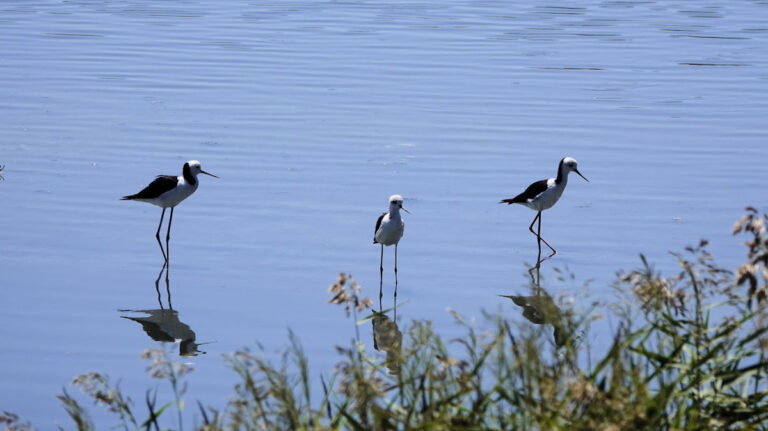
The Sharp-tailed Sandpiper: A Marvel of Avian Migration and Adaptation
The Sharp-tailed Sandpiper (Calidris acuminata) is a fascinating shorebird renowned for its extraordinary migratory journey and distinctive physical characteristics. Native to the coastal and inland wetlands of Siberia, this species embarks on one of the most remarkable migrations in the avian world, traveling thousands of miles to reach its wintering grounds in Australia and Southeast Asia.
Physical Characteristics
The Sharp-tailed Sandpiper is a medium-sized shorebird, measuring about 18 to 22 centimeters in length with a wingspan of approximately 36 to 39 centimeters. It is easily identifiable by its rich rufous crown, a trait that distinguishes it from other sandpiper species. The bird’s plumage varies across seasons, with breeding adults exhibiting a distinctive streaked appearance on their upperparts, contrasting with their white underparts. Juveniles are particularly striking, with vibrant rufous edging on their feathers that fades as they mature.
Breeding and Habitat
This species breeds in the tundra regions of northeastern Siberia, favoring wet, grassy areas near marshes and rivers. The breeding season is timed to coincide with the brief Arctic summer, during which the abundance of insects provides essential nourishment for the rapidly growing chicks. The nests are simple scrapes in the ground, lined with moss and leaves, which blend seamlessly into the surrounding environment, offering some protection against predators.
Migration Patterns
The migration of the Sharp-tailed Sandpiper is an awe-inspiring phenomenon. Each year, these birds undertake an epic journey from their breeding grounds in Siberia to the warmer climates of the Southern Hemisphere. The primary wintering areas include the coastal wetlands of Australia, New Guinea, and Southeast Asia. This migratory route covers distances exceeding 10,000 kilometers, a testament to the bird’s endurance and navigational prowess.
During migration, the Sharp-tailed Sandpiper relies heavily on stopover sites along the East Asian-Australasian Flyway. These sites are critical for refueling and resting, providing the birds with the necessary resources to complete their long journey. Unfortunately, habitat loss and environmental changes pose significant threats to these vital stopover points.
Conservation Status
Although the Sharp-tailed Sandpiper is currently classified as a species of Least Concern by the International Union for Conservation of Nature (IUCN), it faces several conservation challenges. Wetland degradation, climate change, and human activities, such as land reclamation and pollution, have significantly impacted the quality of the bird’s breeding, stopover, and wintering habitats.
Conservation efforts focus on protecting critical habitats along the migration route, particularly in regions like the Yellow Sea, where large-scale land reclamation projects have reduced available stopover sites. International cooperation is essential to ensure the preservation of these habitats, as the migratory nature of the Sharp-tailed Sandpiper means it crosses numerous national boundaries during its annual journey.
Research and Monitoring
Ongoing research and monitoring are crucial for understanding the population dynamics and migratory patterns of the Sharp-tailed Sandpiper. Banding and satellite tracking provide valuable data on the bird’s movements, helping conservationists identify key sites for protection. Furthermore, public awareness campaigns and community involvement in conservation initiatives contribute to the broader effort to safeguard this remarkable species.
Conclusion
The Sharp-tailed Sandpiper stands as a symbol of natural wonder and resilience. Its incredible migratory journey connects continents and highlights the intricate web of ecosystems that support avian life. Protecting this species requires a concerted effort involving international collaboration, habitat conservation, and ongoing research. By ensuring the survival of the Sharp-tailed Sandpiper, we contribute to preserving the biodiversity and ecological health of our planet.
Related posts