The Fulvous-crowned Scrub Tyrant: A Comprehensive Overview
The Fulvous-crowned Scrub Tyrant, scientifically known as Euscarthmus meloryphus, is a small passerine bird that belongs to the family Tyrannidae, more commonly referred to as the tyrant flycatchers. This intriguing bird species is notable for its distinctive appearance and behaviors, as well as its adaptability to various environments across South America. This article delves into the key characteristics, habitat, behavior, conservation status, and the ecological significance of the Fulvous-crowned Scrub Tyrant.
Taxonomy and Description
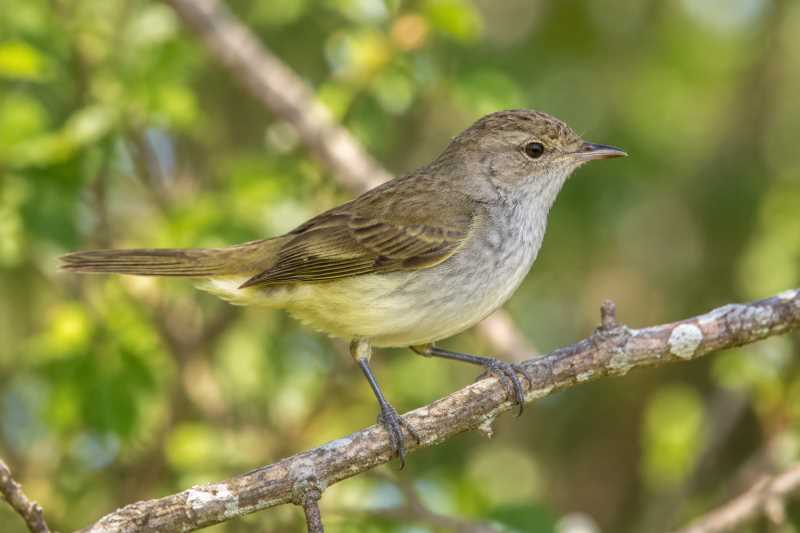
The Fulvous-crowned Scrub Tyrant is a member of the genus Euscarthmus, which includes a small number of species within the expansive tyrant flycatcher family. This bird is relatively small, measuring approximately 11 to 12 centimeters in length. Its plumage is predominantly olive-green, with a notable fulvous or tawny crown that gives the bird its common name. The underparts are generally paler, with a slight yellowish tinge, while the wings and tail are darker, providing a distinct contrast. The bill is short and pointed, adapted for its insectivorous diet.
The species exhibits minimal sexual dimorphism, meaning males and females appear quite similar in plumage and size. However, during the breeding season, subtle differences in behavior or vocalizations may help in distinguishing between the sexes.
Habitat and Distribution
Euscarthmus meloryphus is widely distributed across various South American countries, including Argentina, Bolivia, Brazil, Colombia, Ecuador, Paraguay, and Peru. It thrives in a range of habitats, from lowland forests and subtropical or tropical dry shrubland to heavily degraded former forests and scrublands. This adaptability to diverse environments is a testament to the species’ resilience and ecological versatility.
The Fulvous-crowned Scrub Tyrant’s ability to inhabit different types of environments also underscores its capacity to adapt to human-induced habitat changes. However, it still prefers areas with dense shrubbery or open woodland, which provide ample opportunities for foraging and nesting.
Behavior and Ecology
The Fulvous-crowned Scrub Tyrant is primarily insectivorous, feeding on a wide variety of insects and other small arthropods. Its foraging behavior is characterized by active gleaning from foliage or sallying flights to capture prey mid-air. This bird is often observed foraging alone or in pairs, although it may sometimes join mixed-species flocks, particularly outside the breeding season.
Vocalizations are an essential aspect of the Fulvous-crowned Scrub Tyrant’s behavior, especially during the breeding season. The species is known for its distinctive, melodious calls, which serve both as a means of communication and as a territorial display. These vocalizations play a crucial role during courtship and in maintaining pair bonds.
Breeding typically occurs during the rainy season, when food resources are most abundant. The nest is a small, cup-shaped structure, often placed in a bush or tree, and constructed using twigs, grass, and other plant materials. Both parents participate in the incubation of eggs and the feeding of chicks, showcasing a cooperative breeding strategy that enhances reproductive success.
Conservation Status
The Fulvous-crowned Scrub Tyrant is currently listed as a species of "Least Concern" by the International Union for Conservation of Nature (IUCN). This classification reflects the species’ wide distribution and relatively stable population trends. However, like many bird species, it faces potential threats from habitat loss and degradation due to agricultural expansion, deforestation, and urban development.
Conservation efforts for the Fulvous-crowned Scrub Tyrant primarily focus on habitat preservation and the protection of key ecosystems. Initiatives aimed at sustainable land use and the establishment of protected areas are crucial for maintaining suitable habitats for this and other avian species.
Ecological Significance
As an insectivorous bird, the Fulvous-crowned Scrub Tyrant plays a vital role in controlling insect populations, thus contributing to the ecological balance within its habitat. Moreover, by participating in mixed-species flocks, it aids in promoting biodiversity and ecosystem health.
The presence of the Fulvous-crowned Scrub Tyrant in various ecosystems serves as an indicator of environmental health and stability. Its adaptability to different habitats also highlights the importance of preserving a mosaic of landscapes to support diverse avian communities.
Conclusion
The Fulvous-crowned Scrub Tyrant is a remarkable example of avian adaptability and ecological significance. Its widespread distribution, coupled with its ability to thrive in various habitats, underscores its resilience in the face of environmental challenges. Continued conservation efforts are essential to ensure the survival of this species and the preservation of the rich biodiversity of South America’s avian fauna.
By understanding the biology and ecological role of the Fulvous-crowned Scrub Tyrant, researchers and conservationists can better implement strategies to protect this and other species, ensuring that future generations can continue to appreciate the vibrant tapestry of life in these unique ecosystems.
Related posts