The Hyacinth Macaw: The Majestic Blue Jewel of the Rainforest
The Hyacinth Macaw (Anodorhynchus hyacinthinus), often referred to as the ‘gentle giant’ of the parrot world, is a strikingly beautiful bird known for its vibrant blue plumage and impressive size. Native to Central and South America, this magnificent bird is the largest of all flying parrots, making it a fascinating subject for ornithologists and bird enthusiasts alike.
Physical Characteristics
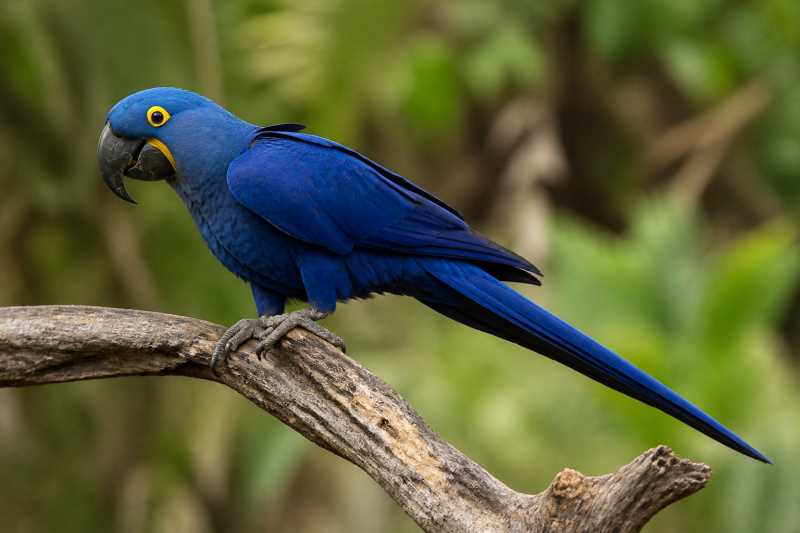
The Hyacinth Macaw is easily identifiable by its brilliant cobalt blue feathers and large, robust black beak. It possesses a distinctive yellow ring around its eyes and at the base of the lower beak, which contrasts vividly with its blue feathers. Measuring up to 100 cm (about 3.3 feet) in length and boasting a wingspan of around 150 cm (nearly 5 feet), the Hyacinth Macaw is the largest parrot in the world. Its powerful beak is adept at cracking open hard nuts and seeds, which form a significant part of its diet.
Habitat and Distribution
This majestic bird is primarily found in the Pantanal region of Brazil, eastern Bolivia, and northeastern Paraguay. The Hyacinth Macaw inhabits a variety of environments, including semi-open areas, savannas, and palm forests. It favors regions with an abundance of palm trees, particularly the Manduvi tree (Sterculia apetala), as it often nests in the cavities of these trees.
Diet and Feeding Habits
The diet of the Hyacinth Macaw is highly specialized, with a preference for the hard nuts found in palm trees, such as the acuri nut (Scheelea phalerata) and bocaiuva palm (Acrocomia aculeata). The macaw’s powerful beak is perfectly adapted to break open these tough nuts, which are inedible to many other animal species. Additionally, Hyacinth Macaws may consume fruits, small seeds, and occasionally snails to supplement their diet.
Behavior and Social Structure
Hyacinth Macaws are highly social birds, often seen in pairs or small family groups. They are known for their gentle and affectionate nature, forming strong bonds with their mates. These birds communicate through a variety of vocalizations, ranging from loud calls to softer, more melodious sounds. In the wild, they are known to travel great distances in search of food, often forming large flocks during these foraging excursions.
Reproduction and Lifespan
The breeding season for Hyacinth Macaws generally occurs during the wet season, from November to April. They typically lay one to two eggs per clutch, with an incubation period of about 28 to 30 days. Both parents partake in the upbringing of their young, which fledge approximately 13 weeks after hatching. In the wild, Hyacinth Macaws can live up to 30 to 50 years, while those in captivity can reach ages of 60 years or more under proper care.
Conservation Status and Threats
The Hyacinth Macaw is currently classified as Vulnerable by the International Union for Conservation of Nature (IUCN). The population decline is attributed to habitat loss, illegal trapping for the pet trade, and the destruction of nesting sites. The conversion of land for agriculture and cattle ranching has significantly reduced the availability of suitable habitats for these birds. Additionally, the illegal pet trade poses a significant threat, as Hyacinth Macaws are highly sought after due to their striking appearance and gentle demeanor.
Conservation Efforts
Efforts to conserve the Hyacinth Macaw are multifaceted, involving habitat protection, legal regulations, and community engagement. Conservation organizations are working to preserve critical habitats and promote sustainable land-use practices. Captive breeding programs have also been established to boost population numbers and reintroduce individuals into their natural habitats. Furthermore, raising awareness about the plight of the Hyacinth Macaw and fostering community-based conservation initiatives are crucial components in ensuring the survival of this iconic species.
Conclusion
The Hyacinth Macaw stands as a symbol of the vibrant biodiversity found within Central and South American ecosystems. Its striking appearance and gentle nature have captivated the hearts of many, yet its survival remains precarious due to human-induced threats. By supporting conservation efforts and promoting responsible stewardship of natural resources, we can help ensure that future generations will have the opportunity to experience the awe-inspiring beauty of the Hyacinth Macaw in the wild.
The conservation of the Hyacinth Macaw is not just about saving a single species; it is about preserving the intricate web of life within the ecosystems they inhabit. As ambassadors of rainforest conservation, these majestic birds remind us of the importance of biodiversity and the urgent need to protect our planet’s natural heritage.
Related posts