The Eastern Crowned Warbler: A Hidden Gem of the Avian World
The Eastern Crowned Warbler (Phylloscopus coronatus) is a small passerine bird that, while not as famous as some of its avian counterparts, plays a critical role in the ecosystems it inhabits. This article delves into the intricate details of this bird’s life, from its physical characteristics and habitat to its migratory patterns and conservation status.
Physical Characteristics
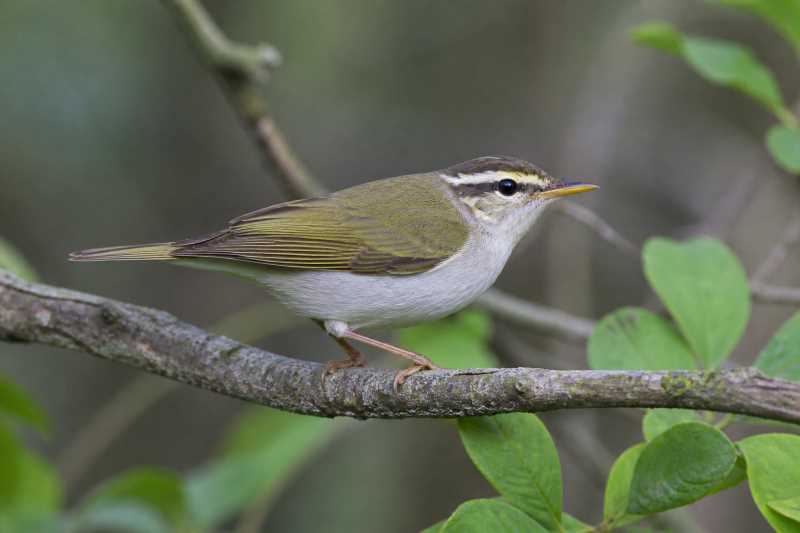
The Eastern Crowned Warbler is a small bird, measuring approximately 11-12 centimeters in length and weighing between 7-10 grams. Despite its diminutive size, this bird is easily recognizable due to its distinctive features. Its plumage is predominantly olive-green on the upper parts, with a striking pale underbelly. The defining characteristic of this warbler is its crown, which is adorned with a subtle pale stripe, giving the species its name, ‘crowned’. The bird’s wings and tail are slightly darker, providing a beautiful contrast to its lighter body, and it possesses a slender, pointed bill ideal for insect hunting.
Habitat and Distribution
The Eastern Crowned Warbler is native to Asia, with its breeding range spanning across northeastern China, Japan, and the Russian Far East. It prefers deciduous and mixed forests, especially those with dense undergrowth, which provide ample food resources and nesting sites. During the breeding season, these birds are often found in the upper canopy, flitting between branches in search of insects.
In winter, the Eastern Crowned Warbler migrates to Southeast Asia, including countries like Thailand, Malaysia, and Indonesia. This long-distance migration is a testament to their adaptability and resilience. During migration, they utilize a variety of habitats, including gardens and secondary growth forests, demonstrating their ability to thrive in diverse environments.
Behavior and Diet
Eastern Crowned Warblers are insectivorous, primarily feeding on a diet of small insects and arachnids, which they skillfully glean from leaves and bark. Their feeding behavior is characterized by quick, agile movements as they dart through foliage. During the breeding season, their diet becomes even more insect-focused, crucial for feeding their young.
These warblers are solitary during the non-breeding season but become highly territorial during breeding. Males are known for their melodious songs, which serve both to attract mates and to defend their territory from rivals. Their song is a series of high-pitched, rapid notes, often heard echoing through the forests they inhabit.
Reproduction
Breeding occurs between May and July, depending on the region. The female is responsible for building the nest, a small cup-shaped structure meticulously constructed from grass, moss, and other plant materials. The nest is typically placed low in a bush or tree, well-hidden from predators.
Females lay between 4 to 6 eggs per clutch, which are white with reddish-brown spots. The incubation period lasts about 12-14 days, primarily undertaken by the female. Upon hatching, both parents participate in feeding the nestlings a diet rich in protein, crucial for their rapid growth and development. Fledging occurs approximately 12-15 days after hatching, although the young remain dependent on their parents for several weeks afterwards.
Conservation Status
Currently, the Eastern Crowned Warbler is classified as Least Concern by the International Union for Conservation of Nature (IUCN). Despite this relatively secure status, the species faces several threats that could impact its populations in the future. Habitat loss due to deforestation and land conversion for agriculture poses a significant threat, particularly in their breeding and wintering grounds.
Climate change is another concern, as it could alter the availability of insects and suitable habitats. Conservation efforts aimed at preserving forest habitats and promoting sustainable land-use practices are essential for ensuring the long-term survival of this species.
Conclusion
The Eastern Crowned Warbler may not be the most conspicuous bird, but its presence in the forests of Asia is indispensable. As an insectivore, it plays a crucial role in maintaining the ecological balance by controlling insect populations. Furthermore, its migratory patterns highlight the interconnectedness of global ecosystems and the importance of preserving habitats across borders.
By understanding and appreciating the life of the Eastern Crowned Warbler, we can better advocate for the conservation measures necessary to protect not only this species but the myriad other creatures that share its environment. As stewards of the planet, it is our responsibility to ensure that such hidden gems continue to thrive for generations to come.
Related posts