Coroneted Fruit Dove: A Jewel of the Avian World
The Coroneted Fruit Dove, scientifically known as Ptilinopus coronulatus, is a captivating bird species known for its vibrant plumage and unique ecological role. Flourishing in the diverse habitats of New Guinea and surrounding islands, this species is a testament to the rich biodiversity of the region. Often seen as a symbol of nature’s artistry, the Coroneted Fruit Dove enchants birdwatchers and researchers alike with its stunning appearance and intriguing behaviors.
Physical Characteristics
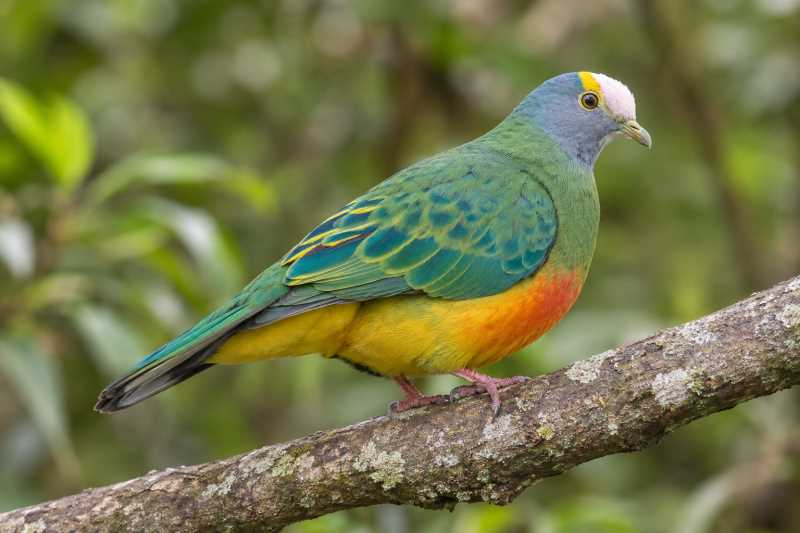
One glance at the Coroneted Fruit Dove and it’s clear why this bird is likened to a living jewel. The species is distinguished by its striking plumage, featuring a mix of vivid greens, purples, and yellows. The feathers on its crown, which give the bird its name, resemble a small coronet, enhancing its regal appearance. With a body length of approximately 22 centimeters and a weight of around 100 grams, this medium-sized dove is perfectly adapted for life in the forest canopy. The contrasting colors serve as both a visual delight and a practical camouflage among the variegated foliage.
Habitat and Distribution
The natural habitat of the Coroneted Fruit Dove spans the lowland and mountainous rainforests of New Guinea, the Bismarck Archipelago, and nearby islands. These lush environments provide the ideal conditions for the bird’s survival, offering an abundance of fruit—a primary component of its diet. The dove is most frequently observed in dense forest areas, where it can easily blend into the surroundings while foraging or resting. Despite their dependency on specific habitats, Coroneted Fruit Doves have shown a remarkable ability to adapt to secondary forests and even gardens, showcasing their resilience in the face of habitat changes.
Diet and Feeding Habits
As a frugivore, the Coroneted Fruit Dove plays a crucial role in its ecosystem by aiding in seed dispersal. Its diet primarily consists of a variety of fruits, particularly figs, which are abundant in its natural habitat. The bird’s feeding habits contribute to the health of forest ecosystems, as the seeds passed through its digestive system are often deposited in new locations, promoting plant diversity and forest regeneration. Observing a Coroneted Fruit Dove feeding is a fascinating experience; the bird employs its agile movements to pluck fruit from branches with precision and ease.
Behavior and Reproduction
Coroneted Fruit Doves are known for their relatively solitary nature, often seen alone or in pairs rather than large flocks. During the breeding season, they exhibit more social behaviors, with males performing elaborate courtship displays to attract mates. These displays, consisting of cooing sounds and intricate aerial maneuvers, are a testament to their complex social interactions. Nesting typically occurs in tree branches, where the female lays a single egg. Both parents share responsibilities in incubating the egg and feeding the chick, underscoring the species’ cooperative breeding strategy.
Conservation Status and Threats
Currently, the Coroneted Fruit Dove is classified as Least Concern by the International Union for Conservation of Nature (IUCN). However, like many species native to tropical forests, it faces threats from habitat destruction and fragmentation due to logging and agricultural expansion. Conservation efforts aimed at preserving the natural habitats of New Guinea and surrounding islands are vital for ensuring the long-term survival of this exquisite bird. Additionally, initiatives that promote sustainable land-use practices could mitigate some of the pressures on the dove’s habitat.
Conclusion
The Coroneted Fruit Dove is more than just a stunning bird; it is an integral part of its ecosystem, contributing to the health and regeneration of tropical forests. Its vibrant presence in the wild serves as a reminder of the intricate beauty and complexity of nature. Protecting this species and its habitat is essential not only for its survival but also for maintaining the ecological balance of the regions it inhabits. As we continue to study and admire the Coroneted Fruit Dove, we are reminded of our responsibility to conserve the natural world for future generations.
In summary, the Coroneted Fruit Dove is a magnificent symbol of biodiversity, illustrating the delicate interplay between species and their environments. By appreciating and protecting this remarkable bird, we preserve a valuable piece of the world’s natural heritage.
Related posts