The Enchanting Black-headed Sibia: A Jewel of Southeast Asia’s Avian Biodiversity
The Black-headed Sibia (Heterophasia desgodinsi) is a striking species of bird that captures the fascination of birdwatchers and ornithologists alike. With its distinctive appearance and melodic call, this bird is one of the many wonders of Southeast Asia’s rich avian biodiversity. In this article, we will explore the unique characteristics, habitat, behavior, and conservation status of the Black-headed Sibia, shedding light on why this bird is an important part of the region’s ecosystem.
A Distinctive Appearance
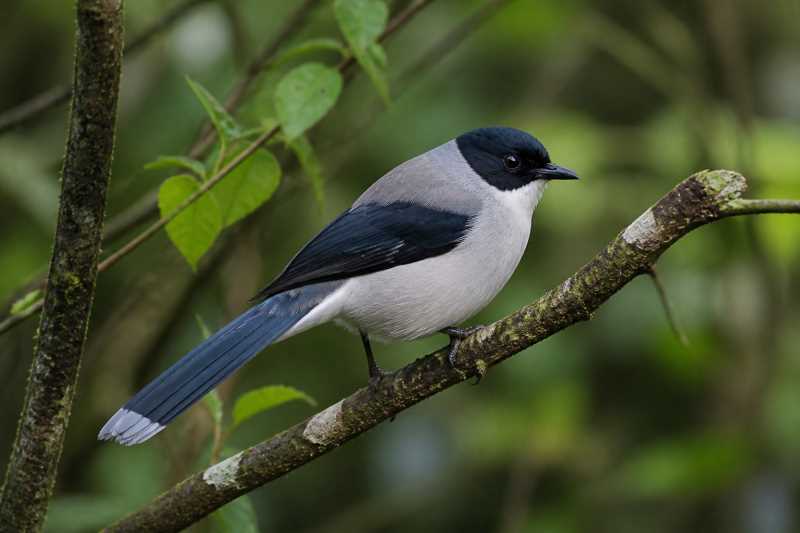
The Black-headed Sibia is renowned for its elegant plumage and distinctive appearance. It measures approximately 22 cm in length, making it a medium-sized bird. As its name suggests, the bird is characterized by a sleek black head, which contrasts beautifully with its white underparts and grayish-brown back and wings. The tail feathers are long and slightly graduated, adding to its graceful appearance. Its eyes are dark and expressive, often giving it an inquisitive look that endears it to bird enthusiasts.
One of the most striking features of the Black-headed Sibia is its bill, which is slightly curved and well-suited for its varied diet. This bird’s melodious voice is another defining characteristic, with calls that are both musical and complex, often described as a series of whistles and trills.
Habitat and Distribution
The Black-headed Sibia is native to Southeast Asia, with its range extending across several countries, including China, Vietnam, Laos, and Thailand. This bird predominantly inhabits subtropical or tropical moist montane forests, thriving in regions that offer dense foliage and a rich diversity of plant life. The montane forests provide an ideal environment for the Black-headed Sibia, offering ample food resources and nesting sites.
Within these habitats, the Black-headed Sibia is often found at higher elevations, favoring altitudes ranging from 1,200 to 2,500 meters. These elevations provide the cool, moist conditions that are essential for their survival, as well as a refuge from potential predators.
Behavioral Traits
The Black-headed Sibia is known for its social behavior, often found in small flocks or family groups. These birds are highly active and spend much of their day foraging for food. Their diet is varied and includes insects, berries, and nectar, which they obtain using their agile flight and adept foraging skills.
These birds are also known for their vocalizations, which play an important role in communication within flocks. Their songs are complex and melodious, serving a variety of purposes, including attracting mates and establishing territory. The Black-headed Sibia’s ability to mimic other bird calls adds an intriguing dimension to their vocal repertoire.
Reproduction and Lifespan
During the breeding season, which typically occurs from March to July, Black-headed Sibias engage in elaborate courtship displays. These displays often involve vocalizations and physical demonstrations of prowess, such as aerial acrobatics.
Nesting is a collaborative effort, with both male and female birds contributing to the construction of the nest. Nests are usually built in dense foliage, providing protection and camouflage for the eggs and chicks. The female typically lays 2 to 3 eggs, which are incubated by both parents. After hatching, the chicks are cared for by both parents, who take turns feeding and protecting them until they are ready to fledge.
The lifespan of the Black-headed Sibia in the wild is not well-documented, but it is believed to be similar to other birds of its size, potentially reaching 8 to 10 years under optimal conditions.
Conservation Status and Threats
The Black-headed Sibia is currently classified as a species of Least Concern by the International Union for Conservation of Nature (IUCN). While this status indicates that the species is not currently at immediate risk of extinction, it does face several threats that could impact its future.
Habitat loss is one of the primary concerns for the Black-headed Sibia. Deforestation, driven by agricultural expansion and logging, poses a significant threat to the montane forests that these birds depend on. Additionally, climate change could alter the conditions of their habitat, impacting food availability and nesting sites.
Conservation efforts are crucial to ensure the long-term survival of the Black-headed Sibia. Protecting their natural habitat through the establishment of protected areas and sustainable land management practices is essential. Raising awareness about the ecological importance of these birds and the threats they face can also help garner support for conservation initiatives.
Conclusion
The Black-headed Sibia is a captivating bird that plays a vital role in the ecosystems of Southeast Asia’s montane forests. Its striking appearance, melodic voice, and social behavior make it a favorite among birdwatchers and an important species for ecological studies. By understanding and addressing the challenges that this species faces, we can contribute to the preservation of its natural habitat and ensure that future generations can continue to enjoy the beauty and wonder of the Black-headed Sibia.
As we continue to explore and appreciate the natural world, the Black-headed Sibia serves as a reminder of the incredible diversity and interconnectedness of life on our planet. Protecting this species and its habitat is not only a responsibility but also an opportunity to celebrate and preserve the rich tapestry of life that surrounds us.
Related posts