The Cinnamon Ground Dove: A Glimpse into the Life of Gallicolumba rufigula
The Cinnamon Ground Dove, scientifically known as Gallicolumba rufigula, is a captivating avian species that graces the dense forests of Southeast Asia with its presence. Known for its striking cinnamon-colored plumage and elusive nature, this bird is a subject of fascination for ornithologists and bird enthusiasts alike. This article delves into the characteristics, habitat, behavior, and conservation status of the Cinnamon Ground Dove, providing an in-depth look at this remarkable bird.
Physical Characteristics
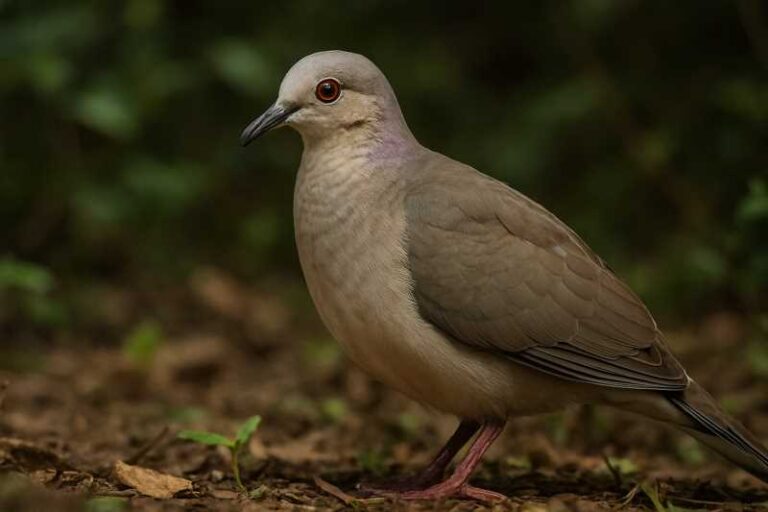
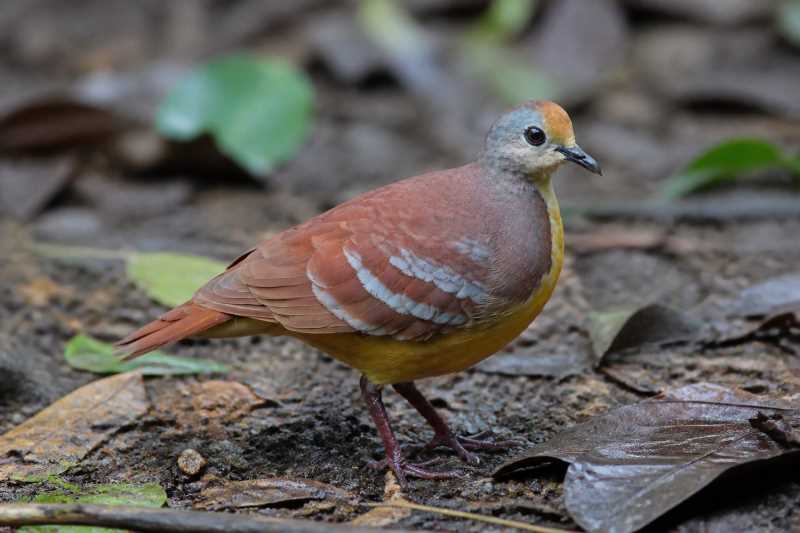
The Cinnamon Ground Dove is a medium-sized bird, typically measuring about 22 to 24 centimeters in length. Its most distinctive feature is its rich cinnamon-colored plumage, which covers most of its body, providing excellent camouflage against the forest floor. The bird’s underparts are usually lighter, with a slight pinkish hue on the breast. Its eyes are encircled by a lighter shade of skin, which adds to its striking appearance. The bird’s bill is dark, complementing its overall coloration, and its legs are a pale pinkish hue.
Habitat and Distribution
Gallicolumba rufigula is predominantly found in the lowland and foothill forests of Southeast Asia, particularly in countries like Indonesia, Malaysia, and the Philippines. These birds thrive in dense, humid forests where they can easily blend into the underbrush. Their preference for the forest floor makes them ground-dwellers, though they are capable of short flights to escape predators or move between feeding sites.
The Cinnamon Ground Dove’s habitat is characterized by its rich biodiversity. The forests it inhabits are teeming with life, offering the doves an abundance of food sources. These birds are frugivorous, primarily feeding on fallen fruits, seeds, and occasionally small invertebrates. Their feeding habits play a crucial role in seed dispersal, contributing to the health and regeneration of their forest environments.
Behavior and Ecology
The Cinnamon Ground Dove is known for its elusive and timid nature. These birds are typically solitary or found in pairs, rarely forming large flocks. Their shy demeanor makes them a challenge to observe in the wild, adding to their mysterious allure. They are most active during the early morning and late afternoon, avoiding the heat of midday.
During the breeding season, which varies depending on their geographic location, these doves engage in simple courtship displays. Males often perform subtle displays of bowing and cooing to attract a mate. Once paired, the female usually lays one or two eggs, which are incubated for about two weeks. Both parents share the responsibility of incubating the eggs and feeding the chicks.
Conservation Status
The Cinnamon Ground Dove is currently classified as "Least Concern" on the IUCN Red List. However, like many forest-dependent species, it faces threats from habitat destruction and fragmentation due to logging, agriculture, and urbanization. Despite its current status, continued environmental changes could potentially impact its population in the future.
Conservation efforts for the Cinnamon Ground Dove and other forest-dwelling species often focus on preserving and restoring their natural habitats. Establishing protected areas and promoting sustainable forest management practices are crucial steps in ensuring the survival of these birds and the ecosystems they inhabit.
The Importance of Conservation
The conservation of the Cinnamon Ground Dove highlights the broader importance of preserving biodiversity and maintaining healthy ecosystems. As a seed disperser, this species plays a vital role in forest regeneration, illustrating the interconnectedness of species within an ecosystem. Protecting the Cinnamon Ground Dove and its habitat ensures the preservation of countless other species that share its environment.
Moreover, conserving species like the Cinnamon Ground Dove can have significant cultural and economic benefits. Birdwatching and eco-tourism can provide sustainable economic opportunities for local communities, fostering a sense of stewardship for natural resources.
Conclusion
The Cinnamon Ground Dove, with its beautiful plumage and secretive nature, is a testament to the wonders of avian diversity. Understanding and protecting this species is not only vital for its survival but also for the health of the ecosystems it inhabits. As we continue to study and appreciate Gallicolumba rufigula, it is crucial to advocate for conservation efforts that safeguard its future and the future of countless other species that rely on the delicate balance of our natural world.
Related posts