The Black-backed Butcherbird: A Comprehensive Insight into Cracticus mentalis
The Black-backed Butcherbird, scientifically known as Cracticus mentalis, is a fascinating avian species native to the tropical regions of Australia and New Guinea. This article delves into the intricate details of its habitat, behavior, diet, reproduction, and conservation status, providing a holistic understanding of this remarkable bird.
Taxonomy and Classification
Belonging to the family Artamidae, the Black-backed Butcherbird is closely related to other butcherbirds, currawongs, and magpie-larks. The genus Cracticus is recognized for its robust, medium-sized birds, characterized by their distinctive hooked bills and striking plumage. The species name, mentalis, refers to its mental prowess and adaptability in various environments.
Physical Characteristics
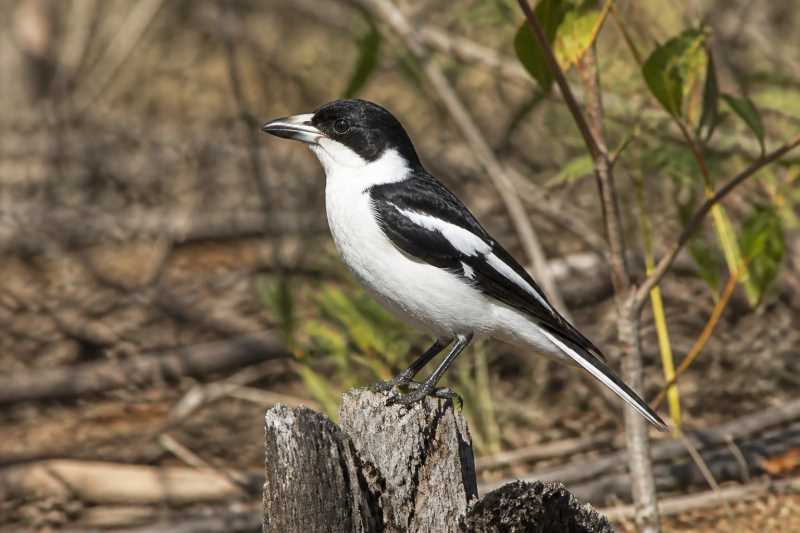
The Black-backed Butcherbird is notable for its contrasting plumage. It showcases a striking black back and head, which juxtaposes against its white underparts and rump. Its piercing eyes and sharp beak contribute to its predatory appearance, which is a defining feature of the Cracticus genus. Adult birds typically measure between 30 to 35 centimeters in length, with males generally larger than females.
Habitat and Distribution
This species thrives in diverse habitats, including savannas, open forests, and mangroves. Its adaptability allows it to inhabit urban areas, where it often coexists with human populations. The Black-backed Butcherbird’s range extends across northern Australia, from the Kimberley region to Cape York Peninsula, and into southern New Guinea. The species’ preference for open spaces with scattered trees is crucial for its hunting and nesting activities.
Behavior and Social Structure
The Black-backed Butcherbird is known for its territorial behavior. It often forms monogamous pairs that defend their territory aggressively against intruders. Their vocalizations are complex and melodious, serving as communication tools to reinforce pair bonds and warn off potential threats. These birds are also known for their intelligence and problem-solving abilities, attributes that aid in their survival.
Diet and Hunting Techniques
As an opportunistic predator, the Black-backed Butcherbird’s diet is varied and includes insects, small mammals, reptiles, and other birds. Its hunting technique is characterized by stealth and precision, often perching silently before striking its prey with swift aerial maneuvers. True to its name, the butcherbird is known for impaling prey on thorns or barbed wire fences, a behavior that aids in storing food for later consumption.
Reproduction and Lifespan
Breeding season for the Black-backed Butcherbird typically occurs between August and January. During this time, pairs engage in elaborate courtship displays, involving vocal duets and synchronized flights. Nests are constructed from sticks and lined with softer materials, usually situated in high branches to deter predators. Clutches generally comprise two to four eggs, with both parents sharing incubation duties. The species exhibits strong parental instincts, with fledglings remaining dependent on adults for several weeks post-hatching.
Conservation Status
Currently, the Black-backed Butcherbird is not listed as threatened or endangered. Its wide distribution and adaptability to various environments contribute to its stable population numbers. However, habitat destruction and urban expansion pose potential threats, underscoring the need for ongoing monitoring and conservation efforts.
Cultural Significance
In Indigenous Australian cultures, the Black-backed Butcherbird holds significant cultural value. It is often featured in folklore and traditional stories, symbolizing intelligence and adaptability. The bird’s distinctive call is also celebrated in various cultural expressions, reflecting the deep connection between the species and local communities.
Conclusion
The Black-backed Butcherbird is a testament to nature’s adaptability and resilience. Its intelligence, striking appearance, and complex behaviors make it a subject of interest for ornithologists and bird enthusiasts alike. Understanding and preserving this species is crucial, not only for maintaining ecological balance but also for appreciating the rich biodiversity that defines our world’s ecosystems.
In conclusion, the Cracticus mentalis is more than just a bird; it is an integral part of the ecological tapestry that enriches our planet. Through continued research and conservation efforts, we can ensure that future generations will also have the opportunity to marvel at the Black-backed Butcherbird’s unique beauty and role in nature.
References
1. Higgins, P.J., Peter, J.M., & Cowling, S.J. (Eds.). (2006). *Handbook of Australian, New Zealand & Antarctic Birds*.
2. Rowley, I., & Russell, E. (1997). *Fairy-wrens and Grasswrens: Maluridae*. Oxford University Press.
3. Frith, C.B., & Frith, D.W. (2004). *Australian Magpie: Biology and Behaviour of an Unusual Songbird*. CSIRO Publishing.
Additional Resources
– BirdLife International – Black-backed Butcherbird
– Australian National Wildlife Collection – Cracticus mentalis
– National Geographic – Birds in the Environment
Related posts