The Enigmatic Cinereous Owl: A Closer Look at Strix sartorii
The Cinereous Owl, known scientifically as Strix sartorii, is a fascinating yet elusive species that captures the imagination of ornithologists and bird enthusiasts alike. Nestled in the dense forests of Central America, this enigmatic bird is a testament to nature’s diversity and complexity. Despite its elusive nature, recent studies have shed light on its ecology, behavior, and conservation status, providing valuable insights into this remarkable species.
Introduction
Strix sartorii, commonly referred to as the Cinereous Owl, belongs to the Strigidae family. It is predominantly found in the high-altitude cloud forests of Mexico, specifically in the Sierra Madre Oriental and the Sierra de los Tuxtlas. First described in the 19th century, this medium-sized owl remains one of the less understood members of the Strix genus due to its preference for dense forest habitats and nocturnal lifestyle.
Physical Characteristics
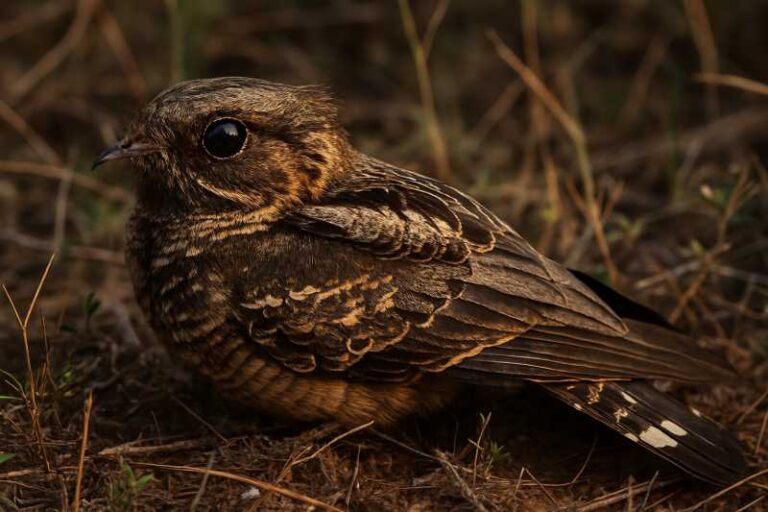
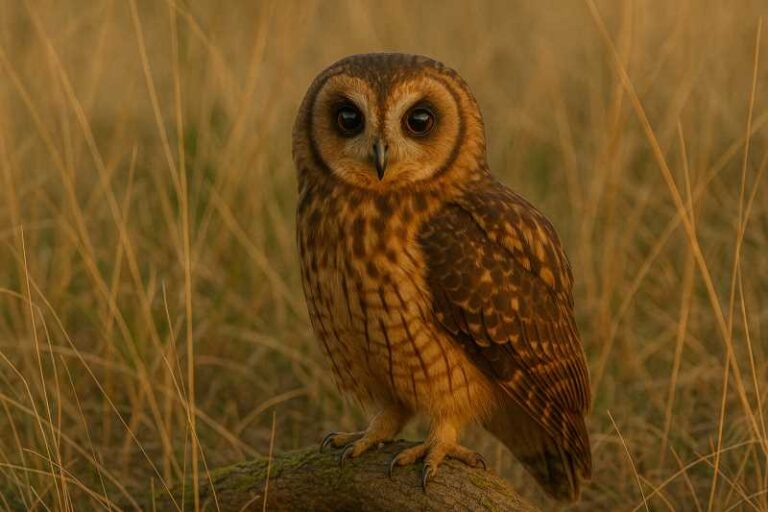
The Cinereous Owl is characterized by its strikingly dark plumage, which is primarily a deep gray or blackish color, giving it the ‘cinereous’ or ashen appearance from which it derives its name. Adults typically measure between 36 to 43 cm in length, with a wingspan reaching up to 100 cm. Its facial disk is pale with concentric darker rings, and it possesses bright yellow eyes that stand out against its dusky feathers. Unlike many other owls, the Cinereous Owl lacks ear tufts, contributing to its rounded head profile.
Habitat and Distribution
This owl species is endemic to the mountainous regions of Mexico, thriving in humid, high-altitude cloud forests. These environments provide a rich array of prey and ample cover, both essential for their survival. The Cinereous Owl’s range is relatively restricted, and its presence is often correlated with areas that receive substantial rainfall and have a dense canopy cover, which supports their primary diet of small mammals, birds, and insects.
Behavior and Diet
The Cinereous Owl is a nocturnal predator, relying on its excellent night vision and acute hearing to hunt in the dark. Its diet primarily consists of small mammals such as rodents, but it is also known to prey on birds and large insects. This opportunistic feeding behavior is advantageous in the unpredictable environments of cloud forests. During the day, it roosts in dense foliage, making it difficult to spot despite its relatively large size.
Breeding and Lifespan
Little is known about the breeding habits of Strix sartorii due to their secretive nature and inaccessible habitats. However, it is believed that, like many other owl species, the Cinereous Owl engages in courtship displays that involve vocalizations and possibly food offerings from males to females. Nesting is thought to occur in tree cavities or abandoned nests of other large birds, with the female primarily responsible for incubation.
The lifespan of the Cinereous Owl in the wild is not well-documented, but it is presumed to be similar to other owls in the Strix genus, potentially reaching up to 15 years under favorable conditions.
Conservation Status
The Cinereous Owl is currently listed as ‘Near Threatened’ on the IUCN Red List. This designation is primarily due to habitat loss caused by deforestation and land-use changes in its native range. Cloud forests, which are crucial for the survival of this species, are increasingly threatened by logging, agriculture, and urbanization. Conservation efforts are essential to preserve these habitats and maintain biodiversity.
Research and Conservation Efforts
Conservation initiatives focused on Strix sartorii emphasize habitat protection and restoration. Efforts are underway to establish protected areas and promote sustainable land use that accommodates both human needs and wildlife conservation. Moreover, increased research into the ecological role of the Cinereous Owl and its specific habitat requirements is vital for developing effective conservation strategies.
Citizen science and local community involvement are also critical components of conservation efforts. Educating local populations about the importance of the Cinereous Owl and its habitat can foster a sense of stewardship and encourage practices that benefit both the environment and biodiversity.
Conclusion
The Cinereous Owl remains a symbol of the mysterious allure of the world’s cloud forests. As research continues to unveil the secrets of Strix sartorii, it becomes increasingly clear that protecting this species goes hand in hand with conserving the unique ecosystems it inhabits. Through collaborative efforts between scientists, conservationists, and local communities, there is hope for ensuring the survival of this remarkable owl for future generations.
As we deepen our understanding of the Cinereous Owl, we are reminded of the intricate tapestry of life that exists in the world’s most biodiverse regions. Preserving such biodiversity is not just about protecting individual species but about maintaining the ecological balance that sustains life on Earth.
Related posts