The Barbuda Warbler: A Jewel of the Caribbean’s Avian World
The Barbuda Warbler (Setophaga subita) is an emblem of the unique biodiversity found on the small Caribbean island of Barbuda. Known for its striking appearance and distinctive behavior, this bird species is not only a subject of fascination for ornithologists but also an important component of the island’s natural heritage. As a member of the family Parulidae, the Barbuda Warbler represents a fascinating example of adaptation and survival in a specific ecological niche.
A Glimpse into the Warbler’s World
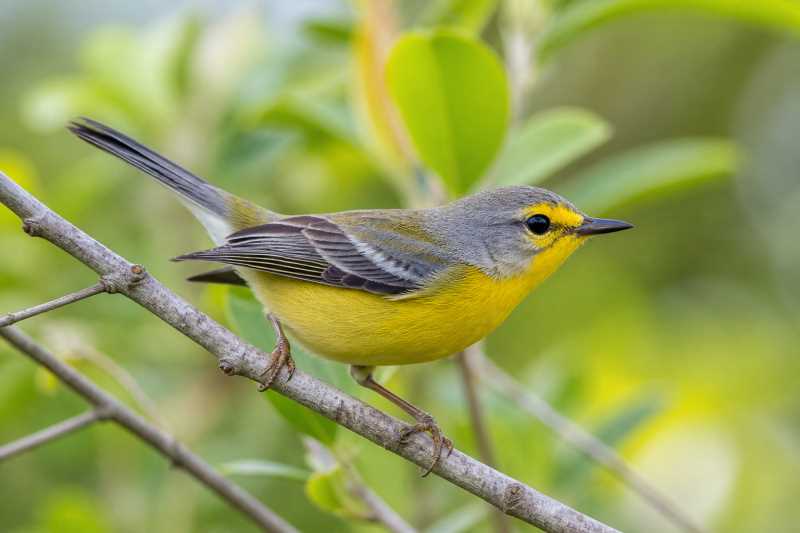
The Barbuda Warbler is a small passerine bird, measuring approximately 12 cm in length. The bird’s plumage is a delightful blend of gray and olive hues, with a vivid yellow throat and breast that can be easily spotted amidst the island’s lush vegetation. Its wings and tail exhibit subtle black and white patterns, adding to its visual appeal. The warbler’s slender beak and agile body are perfectly adapted to its insectivorous diet.
This species is endemic to Barbuda, meaning it is found nowhere else in the world. The island’s dry forest and shrubland ecosystems provide the ideal habitat for the Barbuda Warbler, which thrives in the undergrowth and dense foliage. Its presence is a testament to the island’s unique ecological conditions, where the interplay of climate, vegetation, and isolation has shaped the evolution of this bird.
Behavior and Ecology
The Barbuda Warbler is primarily insectivorous, feeding on a variety of insects and spiders. It employs a foraging strategy known as "gleaning," where it meticulously picks insects off leaves and branches. This feeding behavior not only highlights the bird’s adaptability but also its role in controlling insect populations within its habitat.
Territorial by nature, the Barbuda Warbler often engages in vocal displays to establish and defend its territory. Its song, a series of high-pitched notes, can be heard echoing through the forest, especially during the breeding season. Males are known to be particularly vocal, using their calls to attract mates and ward off competitors.
The breeding season for the Barbuda Warbler typically occurs between April and June. During this time, the birds build cup-shaped nests, intricately woven from grasses and plant fibers, usually hidden in dense shrubs. The female lays two to three eggs, which she incubates over a period of about two weeks. Once hatched, both parents play an active role in feeding and caring for the chicks until they are ready to fledge.
Conservation Status and Challenges
Despite its charismatic presence, the Barbuda Warbler faces significant conservation challenges. Classified as "Near Threatened" by the International Union for Conservation of Nature (IUCN), its population is vulnerable to a range of threats. Habitat destruction, primarily due to deforestation and land conversion for agriculture and development, poses the most significant risk to the species.
Natural disasters also threaten the Barbuda Warbler. The island’s vulnerability to hurricanes, exacerbated by climate change, can lead to widespread habitat destruction. Hurricane Irma, which struck Barbuda in 2017, had a devastating impact on the island’s ecosystems, including the habitats of the Barbuda Warbler. Recovery efforts are crucial to ensure the resilience of this species in the face of such events.
Invasive species present another challenge. Predators such as rats and feral cats can prey on eggs and young birds, while invasive plants can alter the warbler’s habitat, making it less suitable for nesting and foraging.
Conservation Efforts and Future Prospects
Efforts to conserve the Barbuda Warbler are underway, spearheaded by local and international organizations. Habitat restoration projects aim to rehabilitate areas affected by hurricanes and human activity, ensuring the warbler has access to suitable nesting and foraging sites.
Community involvement is also key to the conservation of the Barbuda Warbler. Education and awareness programs help local communities understand the importance of preserving their natural heritage. By fostering a sense of stewardship, these initiatives encourage sustainable development practices that benefit both people and wildlife.
Further research is essential to monitor the population dynamics of the Barbuda Warbler and to understand its ecological needs better. Long-term studies can provide valuable insights into the impacts of environmental changes on the species, guiding future conservation strategies.
In conclusion, the Barbuda Warbler is a symbol of the island’s rich biodiversity and a reminder of the delicate balance that sustains life on Earth. Protecting this unique bird requires concerted efforts from all stakeholders, ensuring that future generations can continue to enjoy the vibrant songs and colorful presence of the Barbuda Warbler in the Caribbean landscape.
Meta Title
"Barbuda Warbler: A Caribbean Conservation Icon"
Meta Description
"Explore the Barbuda Warbler, a unique Caribbean bird, its ecology, challenges, and conservation efforts to protect this near-threatened species."
Related posts