The Blue Malkoha (Ceuthmochares aereus): A Fascinating Avian Wonder
The Blue Malkoha, scientifically known as Ceuthmochares aereus, is an intriguing bird species that captures the attention of ornithologists and birdwatchers alike. Known for its unique appearance and elusive nature, the Blue Malkoha is a member of the Cuculidae family, which also includes the cuckoos. This article delves into the distinct characteristics, habitat, behavior, and conservation status of this captivating bird.
Distinctive Characteristics
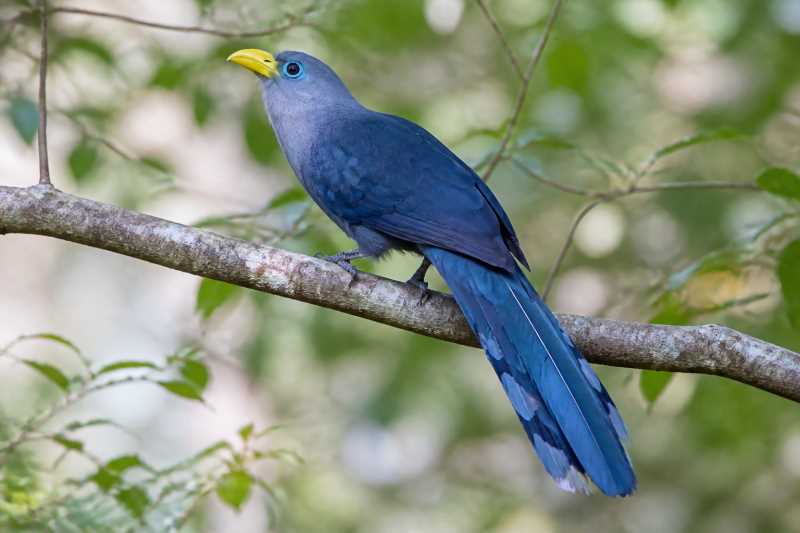
The Blue Malkoha is a medium-sized bird, measuring approximately 40 centimeters in length. Its most striking feature is its vibrant plumage, which presents a stunning interplay of colors. The bird’s body feathers are predominantly a metallic blue-green, which shimmers under sunlight, giving it an almost mystical appearance. The tail is long and graduated, with conspicuous white tips that add to its visual appeal.
The head of the Blue Malkoha is adorned with a distinct casque, a helmet-like structure that is more prominent in males. This feature, along with the bird’s red eye ring and curved bill, provides a unique and striking profile. The bill is robust and slightly hooked, adapted for its varied diet.
Habitat and Distribution
The Blue Malkoha is primarily found in the tropical and subtropical forests of Sub-Saharan Africa. Its range extends from Sierra Leone and Liberia in the west, across the central African countries, to Uganda and Kenya in the east. These birds prefer dense, humid forests, often dwelling in the mid-canopy and understory layers, where they can blend seamlessly with their surroundings.
Within these forests, the Blue Malkoha is highly adapted to a life of seclusion. Its elusive nature makes it a challenge to spot, as it often moves quietly through the foliage. However, its distinctive call, a series of low, resonant ‘kow’ notes, can often alert observers to its presence.
Behavior and Diet
The Blue Malkoha is a solitary bird, although it may sometimes be observed in pairs, especially during the breeding season. It is primarily a frugivore, feeding on a variety of fruits and berries. However, it also has an insectivorous side to its diet, consuming caterpillars, beetles, and other small invertebrates. This dietary flexibility allows it to thrive in diverse environments and seasonal changes.
Foraging is an art form for the Blue Malkoha. It skillfully navigates through the dense foliage, using its strong feet and agile body to maneuver through the branches. The bird’s keen eyesight is crucial for spotting food, and its bill is perfectly adapted for plucking fruits and snatching insects.
Breeding and Nesting
The breeding season of the Blue Malkoha varies across its range, largely influenced by regional climatic conditions. During this period, males become more vocal, using their calls to attract females and establish territories. The courtship involves elaborate displays, where the male showcases his plumage and agility.
Nesting is a well-guarded secret for the Blue Malkoha. It constructs its nest in dense foliage, often high above the ground, to protect it from predators. The nest is a simple structure, made of twigs and leaves, where the female lays typically two to three eggs. Both parents share the responsibility of incubating the eggs and feeding the chicks once they hatch.
Conservation Status
Currently, the Blue Malkoha is classified as Least Concern by the International Union for Conservation of Nature (IUCN). This status reflects its relatively stable population across its vast range. However, like many forest-dependent species, the Blue Malkoha faces threats from habitat destruction and fragmentation, primarily due to logging and agricultural expansion.
Conservation efforts are crucial to ensure the continued survival of this species. Protecting and preserving its natural habitat is paramount, along with raising awareness about the ecological importance of forest ecosystems. Birdwatchers and researchers play a vital role in monitoring populations and advocating for conservation measures.
Conclusion
The Blue Malkoha is a testament to the beauty and diversity of avian life in Africa’s forests. Its striking appearance and secretive nature make it a jewel of the bird world, captivating those fortunate enough to encounter it. As we continue to explore and document the wonders of our natural world, the Blue Malkoha serves as a reminder of the intricate connections within ecosystems and the importance of preserving them for future generations.
In a rapidly changing world, the Blue Malkoha stands as a symbol of resilience and adaptation, thriving amidst the lush greenery of its forest home. By safeguarding its habitat and promoting sustainable practices, we can ensure that this magnificent bird continues to grace the treetops with its presence for years to come.
Related posts