The Majestic Black-necked Crane: A Symbol of Grace and Conservation
The Black-necked Crane (Grus nigricollis) is a remarkable species that captivates both bird enthusiasts and conservationists alike. Found primarily in the high-altitude regions of the Tibetan Plateau, these cranes are not just a sight to behold but also play a crucial role in the ecological balance of their habitats. This article delves into the fascinating world of the Black-necked Crane, exploring their habitat, behavior, cultural significance, and the ongoing efforts to ensure their conservation.
Habitat and Distribution
Black-necked Cranes are typically found in high-altitude wetlands, marshes, and river valleys, ranging from 2,500 to 5,000 meters above sea level. Their primary habitat is the Tibetan Plateau, but they are also present in parts of India, Bhutan, and occasionally, Nepal. The harsh and rugged terrain of these regions provides a unique ecosystem that supports these cranes, offering them abundant food sources such as tubers, plant material, and small animals.
During the breeding season, which takes place from May to August, these cranes are often seen in the remote and secluded wetlands of Tibet and surrounding areas. As winter approaches, they migrate to lower altitudes, settling in regions like the valleys of Bhutan and Arunachal Pradesh in India. This seasonal migration is critical for their survival, allowing them to escape the frigid temperatures of their breeding grounds.
Physical Characteristics and Behavior
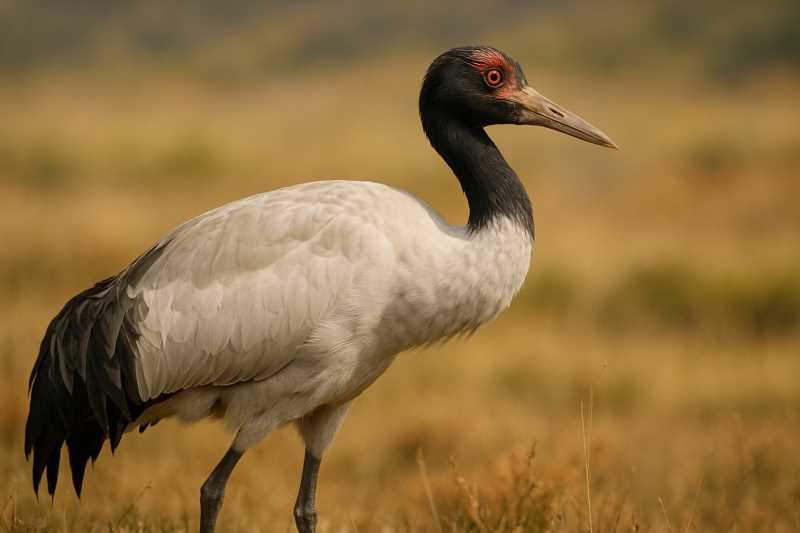
The Black-necked Crane is easily identifiable by its striking appearance. As its name suggests, it has a distinctive black head and neck, which contrast sharply with its white body. This crane species also features a patch of red skin on its crown, adding to its unique appearance. Adult cranes typically measure between 110 to 130 centimeters in length, with a wingspan reaching up to 235 centimeters.
These cranes are known for their social behavior, often seen in pairs or small family groups. They engage in elaborate courtship dances, which include bowing, leaping, and a variety of vocalizations. These dances are not only a part of their mating rituals but also serve to strengthen pair bonds and communicate with each other.
Cultural Significance
In many parts of Asia, the Black-necked Crane is revered as a symbol of longevity and prosperity. In Tibetan Buddhism, they are considered sacred, often associated with the peaceful and spiritual aspects of life. This cultural significance has played a vital role in their conservation, as local communities are more inclined to protect and preserve these majestic birds.
In Bhutan, the arrival of the Black-necked Cranes is celebrated annually with festivals that honor their return to the valleys. These festivals highlight the importance of the cranes to the region’s cultural heritage and help raise awareness about the need for conservation efforts.
Conservation Challenges and Efforts
Despite their cultural significance and the awe they inspire, Black-necked Cranes face numerous threats to their survival. Habitat loss due to agricultural expansion, infrastructure development, and wetland degradation poses significant challenges. Climate change also threatens their habitats, altering the delicate balance of their ecosystem.
Conservation efforts are underway across their range to address these challenges. International organizations, along with local governments and communities, are working to protect and restore critical habitats. In China, for instance, several nature reserves have been established to safeguard the breeding and wintering grounds of these cranes.
Community-based conservation initiatives have proven effective, particularly in regions where local people are actively involved in protecting crane habitats. Environmental education programs aimed at raising awareness about the importance of wetlands and the cranes themselves have also been instrumental in fostering a sense of stewardship among local populations.
Conclusion
The Black-necked Crane is not just an ecological treasure but a cultural icon whose presence enriches the landscapes it inhabits. Protecting these cranes requires a comprehensive approach that balances human needs with environmental preservation. By fostering collaboration between governments, NGOs, and local communities, there is hope for a future where the Black-necked Crane continues to thrive, gracing the skies with its elegance and reminding us of the beauty and fragility of our natural world.
The Black-necked Crane stands as a testament to the intricate connections between biodiversity, culture, and conservation. As efforts continue to protect their habitats and ensure their survival, these magnificent birds serve as a powerful symbol of the harmony that can be achieved when humanity works in tandem with nature.
This is one of the species covered in our book Cranes Of The World which is part of our Kings Birds of the world series, and one of the Kings Guides.

Related posts