The Vibrant Multicolored Tanager: A Rare Gem of the Colombian Andes
The Multicolored Tanager (Chlorochrysa nitidissima) is a dazzling bird species that stands out for its vibrant plumage and rarity. Endemic to Colombia, this bird is a true gem of the Andean cloud forests, captivating birdwatchers and researchers alike with its striking appearance and elusive nature. Despite its beauty, the Multicolored Tanager remains one of the least understood birds, largely due to its restricted range and the challenges posed by its habitat. This article delves into the fascinating world of the Multicolored Tanager, exploring its habitat, behavior, and conservation status.
Habitat and Distribution
The Multicolored Tanager is found exclusively in the montane cloud forests of the Western and Central Andes of Colombia. These forests, characterized by high humidity and frequent mist, create a lush environment teeming with biodiversity. The tanager typically inhabits elevations ranging from 1,200 to 2,200 meters, where it frequents the forest canopy and edges. This preference for high-altitude habitats makes the species particularly susceptible to the impacts of climate change, as shifts in temperature and precipitation patterns can alter the delicate balance of its ecosystem.
Physical Characteristics
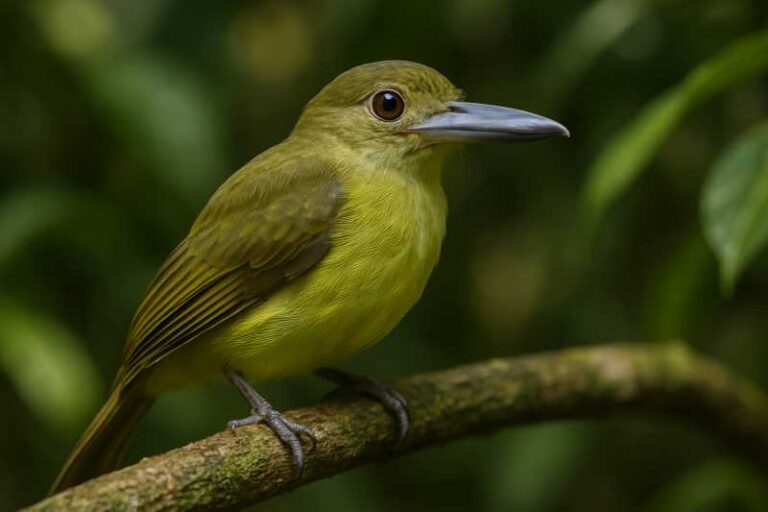
What truly sets the Multicolored Tanager apart is its extraordinary plumage. The bird is adorned with a kaleidoscope of colors that include bright green, blue, and yellow, with males exhibiting more vibrant hues compared to females. The head is predominantly green with a vivid blue crown, while the back and wings display a mix of green and blue. The underparts are a brilliant yellow, and the bird’s eyes are surrounded by striking orange-red eye-rings. This unique color combination not only makes the Multicolored Tanager a visual delight but also aids in camouflage among the dense foliage of its forest home.
Behavior and Diet
The Multicolored Tanager is an elusive bird, often heard before it is seen. Its vocalizations are a series of high-pitched calls that echo through the forest canopy. This species is generally found in small groups or pairs, foraging for food among the foliage. Its diet consists mainly of fruits and insects, which it skillfully extracts from leaves and branches. The bird’s feeding habits play a crucial role in seed dispersal, contributing to the health and regeneration of its forest habitat.
Reproduction and Lifespan
Little is known about the breeding behavior of the Multicolored Tanager, largely due to the difficulty of observing this secretive bird in the wild. It is believed that breeding occurs during the wet season when food is abundant. Nests are likely constructed high in the canopy, hidden from the prying eyes of predators. The species is presumed to be monogamous, with both parents participating in the care of the young. The lifespan of the Multicolored Tanager in the wild remains unknown, though closely related species typically live for several years.
Conservation Status and Threats
The Multicolored Tanager is classified as “Near Threatened” by the International Union for Conservation of Nature (IUCN). The primary threat facing this species is habitat loss due to deforestation and agricultural expansion. The conversion of forest land for cattle grazing, coffee plantations, and urban development has significantly reduced the available habitat for this and many other Andean species. Additionally, the fragmentation of forest areas isolates populations, making them more vulnerable to environmental changes and reducing genetic diversity.
Conservation efforts are underway to protect the remaining cloud forests and the biodiversity they support. Initiatives include the establishment of protected areas and reserves, as well as community-based conservation programs that involve local inhabitants in sustainable land management practices. Raising awareness about the importance of preserving these habitats is crucial for the long-term survival of the Multicolored Tanager and other endemic species.
The Role of Ecotourism
Ecotourism presents a promising opportunity for the conservation of the Multicolored Tanager. Birdwatching tours in Colombia have grown in popularity, drawing enthusiasts from around the world eager to catch a glimpse of this vibrant bird. When managed responsibly, ecotourism can provide economic incentives for local communities to preserve their natural environments. By promoting sustainable tourism practices that minimize environmental impact and support local economies, the conservation of the Multicolored Tanager and its habitat can be effectively integrated with community development.
Conclusion
The Multicolored Tanager is not only an icon of Colombia’s natural heritage but also a symbol of the delicate balance of life in the Andean cloud forests. Protecting this remarkable bird requires concerted efforts to conserve its habitat and mitigate the threats posed by human activities. Through international cooperation, local engagement, and sustainable practices, it is possible to ensure that future generations can continue to marvel at the vibrant beauty of the Multicolored Tanager.
The future of the Multicolored Tanager, like many of the world’s unique species, hangs in the balance. It serves as a poignant reminder of the urgent need to protect our planet’s biodiversity and the irreplaceable ecosystems that support it.
Related posts