The Greater Flowerpiercer: A Jewel of the Andean Highlands
The Greater Flowerpiercer (Diglossa major) is an avian species of remarkable interest, captivating ornithologists and bird enthusiasts alike with its unique ecological niche and striking presence in the Andean regions. This article delves into the fascinating world of the Greater Flowerpiercer, exploring its physical characteristics, habitat, behavior, and the role it plays in its ecosystem.
Physical Characteristics
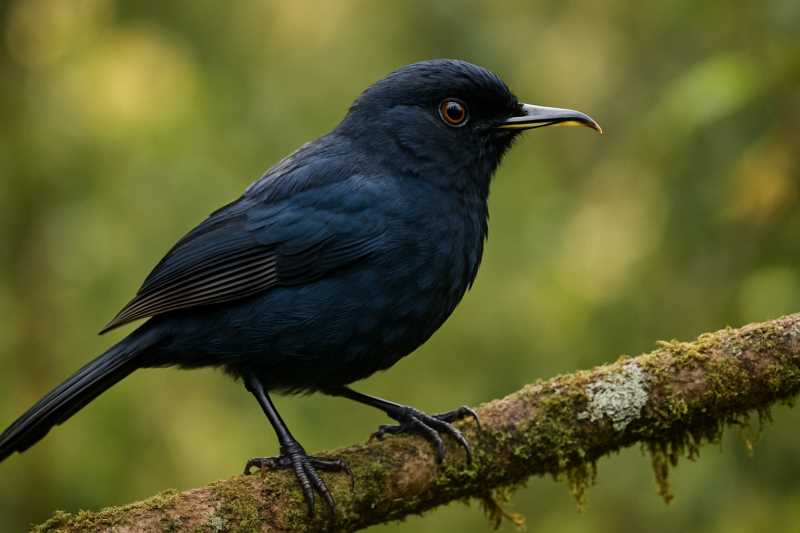
The Greater Flowerpiercer stands out among its relatives in the Thraupidae family due to its size and vibrant plumage. Adult individuals typically measure about 15-17 centimeters in length, making them one of the larger species within the flowerpiercer genus. Their plumage is predominantly a deep slate blue, with a contrasting black mask that extends from the beak across the eyes, giving them a striking appearance. The males and females are similar in appearance, although females might display slightly duller shades.
A distinctive feature of the Greater Flowerpiercer is its decurved bill, which is perfectly adapted for its feeding habits. This specialized bill allows the bird to pierce flowers and access nectar, a primary component of its diet, along with insects and small arthropods.
Habitat and Distribution
The Greater Flowerpiercer is primarily found in the montane forests of the Andes, ranging from Venezuela and Colombia to Ecuador and Peru. This species thrives in high-altitude environments, typically between 1,500 to 3,500 meters above sea level. The dense, humid forests provide an ideal habitat, rich in flowering plants and diverse insect life.
These birds are highly adaptable and can be found in a variety of wooded habitats, including cloud forests, elfin forests, and secondary growth areas. Their presence is often an indicator of healthy, biodiverse ecosystems.
Behavior and Ecology
Greater Flowerpiercers are known for their energetic and acrobatic foraging behavior. They are often seen hopping from branch to branch or hanging upside down to access flowers. Their feeding strategy involves using their specialized bill to pierce the base of flowers, enabling them to extract nectar while also facilitating pollination, albeit sometimes in a way that bypasses the plant’s primary pollination mechanisms.
These birds are generally not migratory but may exhibit altitudinal movements in response to seasonal changes in food availability. During the breeding season, which varies geographically, males display territorial behavior and engage in melodic songs to attract mates and deter rivals.
The Greater Flowerpiercer plays a crucial role in its ecosystem as both a pollinator and a predator of small insects. By feeding on nectar and insects, it helps maintain the delicate balance of the montane forest ecosystem.
Conservation Status
Currently, the Greater Flowerpiercer is classified as a species of Least Concern by the International Union for Conservation of Nature (IUCN). However, habitat destruction due to deforestation and agricultural expansion poses a potential threat to its populations. Conservation efforts focused on preserving Andean forest habitats are essential to ensuring the continued survival of this species.
Additionally, climate change poses a long-term threat by altering the delicate balance of the montane ecosystems where these birds thrive. Ongoing research and conservation initiatives are vital to understanding and mitigating these impacts.
Conclusion
The Greater Flowerpiercer is a remarkable example of avian adaptation and ecological importance. Its unique feeding habits, striking appearance, and role in pollination highlight the intricate connections within the Andean ecosystems. By understanding and protecting this species, we ensure the preservation of the rich biodiversity these high-altitude forests support.
In conclusion, the Greater Flowerpiercer is more than just a bird; it is a key player in the ecological tapestry of the Andes. As we continue to explore and appreciate the natural world, the conservation of such species becomes not only a responsibility but a privilege.
Related posts