The African Skimmer (Rynchops flavirostris): A Graceful Sentinel of African Waters
Introduction
The African Skimmer (Rynchops flavirostris) is a captivating bird species known for its distinctive foraging method and striking appearance. Found predominantly in sub-Saharan Africa, these birds are a unique part of the region’s avian diversity. This article delves into the life, behavior, and conservation status of the African Skimmer, highlighting its significance within aquatic ecosystems.
Taxonomy and Description
The African Skimmer belongs to the family Laridae and is closely related to terns and gulls. The genus Rynchops, which includes three species worldwide, is characterized by their peculiar bill structure. The African Skimmer is easily identifiable by its elongated lower mandible, which is longer than the upper mandible—a highly specialized adaptation for its feeding technique.
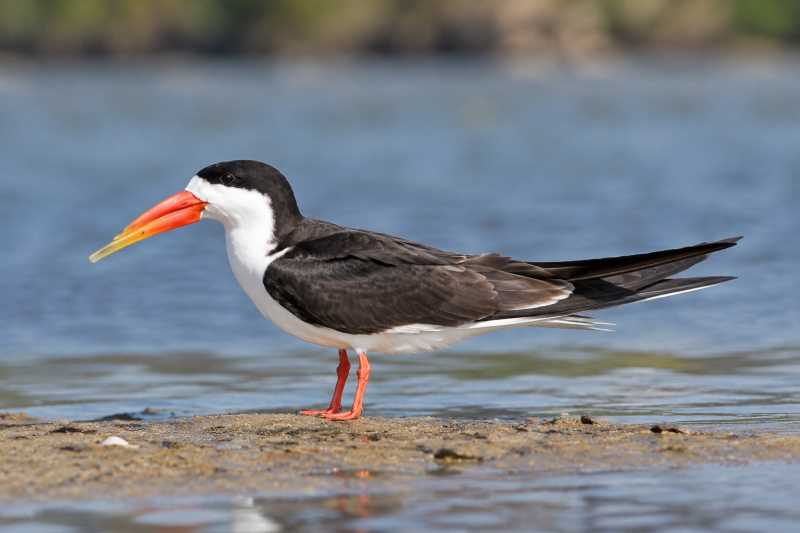
Measuring approximately 38–42 cm in length with a wingspan of 106–114 cm, the African Skimmer is a medium-sized bird. Its plumage is predominantly black on the upper parts and white on the underparts, creating a striking contrast. The bird’s bright orange-red bill and legs add vibrant splashes of color, while its dark eyes are set against a white face.
Habitat and Distribution
African Skimmers inhabit large river systems, lakes, and coastal lagoons across sub-Saharan Africa. They are most commonly observed in countries such as Botswana, Zambia, Namibia, and the Democratic Republic of the Congo, with their range extending to the Nile River in Egypt.
These birds favor habitats with open water and sandy banks, which are ideal for nesting and foraging. They are often found in areas with slow-moving or standing water, where they can easily skim the surface to catch prey.
Unique Foraging Behavior
One of the most fascinating aspects of the African Skimmer is its foraging behavior. These birds are named for their unique method of feeding, where they fly low over water with their elongated lower mandible slicing through the surface. As they glide, they use this ‘skimming’ technique to catch small fish and aquatic invertebrates.
This feeding strategy requires precise control and adaptation, as the skimmer must maintain a steady flight just above the water surface, adjusting for variables such as wind and wave conditions. The lower mandible is highly sensitive, allowing the bird to detect prey by touch, snapping shut when contact is made.
Breeding and Lifespan
African Skimmers are colonial breeders, often nesting in large groups on exposed sandbanks or islands. The breeding season varies geographically but typically coincides with the dry season when water levels are low, exposing the sandy habitats necessary for nesting.
The nests are simple scrapes in the sand, where females lay 2–4 eggs. Both parents share incubation duties, and the chicks are precocial, meaning they are relatively mature and mobile shortly after hatching. Despite their early independence, young skimmers remain dependent on their parents for food until they master the art of skimming.
The lifespan of an African Skimmer in the wild is not well documented, but like many bird species, they are believed to live several years, with reproductive success being a key factor in their longevity.
Conservation Status and Threats
The African Skimmer is currently classified as Near Threatened by the International Union for Conservation of Nature (IUCN). Their population is believed to be declining due to various factors, including habitat destruction, human disturbance, and climate change.
Habitat loss is primarily due to the alteration of river systems for agriculture, hydroelectric power, and urban development. The construction of dams and other water management infrastructure often leads to changes in water flow and sediment deposition, which can render traditional nesting sites unsuitable.
Human activities, such as fishing and tourism, can also disturb breeding colonies, leading to reduced reproductive success. Climate change poses an additional threat, as it may alter water levels and availability, impacting both nesting and foraging conditions.
Conservation Efforts
Conservation efforts for the African Skimmer focus on habitat protection and management. Ensuring that key breeding and foraging sites are safeguarded is crucial for the species’ survival. Protected areas, such as national parks and reserves, play a vital role in providing safe havens for these birds.
Additionally, community-based conservation initiatives that involve local populations in protecting skimmer habitats are essential. Educating communities about the ecological importance of skimmers and promoting ecotourism can help generate support for conservation measures.
Research and monitoring are also important components of conservation strategies. Understanding population trends, breeding success, and habitat use can inform management decisions and help prioritize conservation actions.
Conclusion
The African Skimmer is a remarkable bird, whose presence enriches the biodiversity of Africa’s water bodies. Its unique adaptations and behaviors make it not only a fascinating species to study but also a critical indicator of the health of aquatic ecosystems. As threats to its survival persist, concerted conservation efforts are necessary to ensure that future generations can witness the graceful flight of the African Skimmer over Africa’s rivers and lakes.
By protecting this species and its habitat, we preserve not only a part of natural heritage but also the ecological balance of the regions they inhabit. The African Skimmer’s survival hinges on our ability to balance human needs with environmental stewardship, ensuring that these incredible birds continue to thrive.
Related posts