The Endemic Okinawa Robin: A Jewel of the Ryukyu Archipelago
Introduction
Nestled within the subtropical forests of Okinawa Island, the Okinawa Robin (Larvivora namiyei) stands as a captivating testament to the unique biodiversity of the Ryukyu Archipelago. This small songbird, with its striking appearance and melodious calls, has drawn the attention of ornithologists and bird enthusiasts alike. In this article, we delve into the intriguing world of the Okinawa Robin, exploring its habitat, behavior, conservation status, and the cultural significance it holds within the local communities.
Taxonomy and Appearance
The Okinawa Robin belongs to the family Muscicapidae, which encompasses a diverse group of small passerine birds known as Old World flycatchers. Formerly classified under the genus Luscinia, recent taxonomic revisions have placed it in the genus Larvivora. The species was first described by Stejneger in 1887 and is often considered a symbol of the natural heritage of Okinawa.
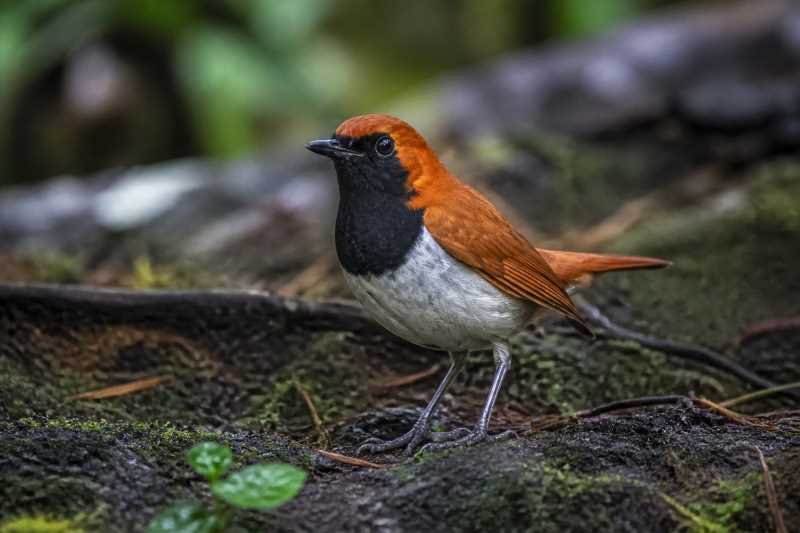
Characterized by its striking plumage, the male Okinawa Robin showcases a vibrant deep blue on its upperparts, contrasting with a bright orange chest and a white belly. Females, though less vividly colored, possess a subtle beauty with their olive-brown upperparts and pale orange underparts. Both sexes have a distinctive white eyebrow stripe, adding to the bird’s charm.
Habitat and Distribution
The Okinawa Robin is endemic to Okinawa Island, the largest of the Ryukyu Islands, located in the southern part of Japan. This island chain, boasting a rich tapestry of ecosystems, provides an ideal habitat for the robin, which predominantly resides in subtropical evergreen forests.
These birds prefer dense forest understories, where they can forage for insects and other invertebrates amidst the fallen leaves and branches. The humid, warm climate of Okinawa, coupled with its lush greenery, offers an optimal environment for the Okinawa Robin to thrive.
Behavior and Diet
Known for their elusive nature, Okinawa Robins are often heard before they are seen. Their melodious song, a series of clear and flute-like notes, resonates through the forest, especially during the breeding season. These birds are territorial and can be observed engaging in elaborate courtship displays.
Primarily insectivorous, the Okinawa Robin’s diet consists of a variety of insects and other small invertebrates. They are adept at foraging on the forest floor, using their keen eyesight to detect prey among the leaf litter. Occasionally, they may also consume berries and seeds, supplementing their diet with available plant matter.
Breeding and Reproduction
The breeding season of the Okinawa Robin typically occurs from March to June. During this time, males engage in elaborate displays to attract females, often involving singing and fluttering flights. The birds are monogamous, forming pairs that collaborate in nest building and rearing their young.
Nests are usually constructed close to the ground, hidden among dense foliage or within natural cavities. The female lays a clutch of two to four eggs, which she incubates for about two weeks. Both parents are involved in feeding the chicks, which fledge approximately two weeks after hatching.
Conservation Status
The Okinawa Robin is currently listed as Near Threatened on the IUCN Red List. The primary threat to its survival is habitat loss due to deforestation and land development on Okinawa Island. As urban areas expand and agricultural activities increase, the robin’s natural habitat is increasingly encroached upon.
Conservation efforts are essential to ensure the survival of this endemic species. Initiatives such as habitat protection, reforestation, and public awareness campaigns are crucial in mitigating the impact of human activities. Additionally, the establishment of protected areas and the enforcement of environmental regulations can help preserve the Okinawa Robin’s habitat.
Cultural Significance
For the people of Okinawa, the robin is more than just a bird; it is a symbol of the island’s natural beauty and ecological richness. The Okinawa Robin features in local folklore and is often depicted in traditional art and crafts. Its presence in the forests is a reminder of the island’s unique biodiversity and the need to conserve it for future generations.
Conclusion
The Okinawa Robin (Larvivora namiyei) is a remarkable example of the unique wildlife found on Okinawa Island. Its vibrant plumage, enchanting song, and ecological significance make it a species worth celebrating and protecting. As pressures on its habitat continue, concerted conservation efforts are vital to ensure that this jewel of the Ryukyu Archipelago continues to thrive.
Through education and awareness, we can foster a deeper appreciation for the Okinawa Robin and its role in the island’s ecosystem. By safeguarding its habitat, we not only protect this beautiful bird but also preserve the rich biodiversity that defines Okinawa.
Call to Action
Support local conservation initiatives and advocate for sustainable development practices to help protect the Okinawa Robin and its habitat. Join efforts to raise awareness about the importance of preserving the unique wildlife of Okinawa for future generations.
References
- Stejneger, L. (1887). Description of a new species of robin from Okinawa.
- IUCN Red List of Threatened Species. (2023). Larvivora namiyei.
- Okinawa Prefecture Wildlife Conservation Unit. "Conservation Efforts for the Okinawa Robin."
- Local folklore and cultural studies on the significance of the Okinawa Robin.
Related posts