An In-depth Look at Lilian’s Lovebird (Agapornis lilianae)
Lilian’s Lovebird, scientifically known as Agapornis lilianae, is a small and vibrant parrot species belonging to the Psittacidae family. Known for their striking colors and affectionate nature, these birds are a favorite among avian enthusiasts. This article explores the characteristics, habitat, behavior, and conservation status of this delightful bird.
Characteristics and Appearance
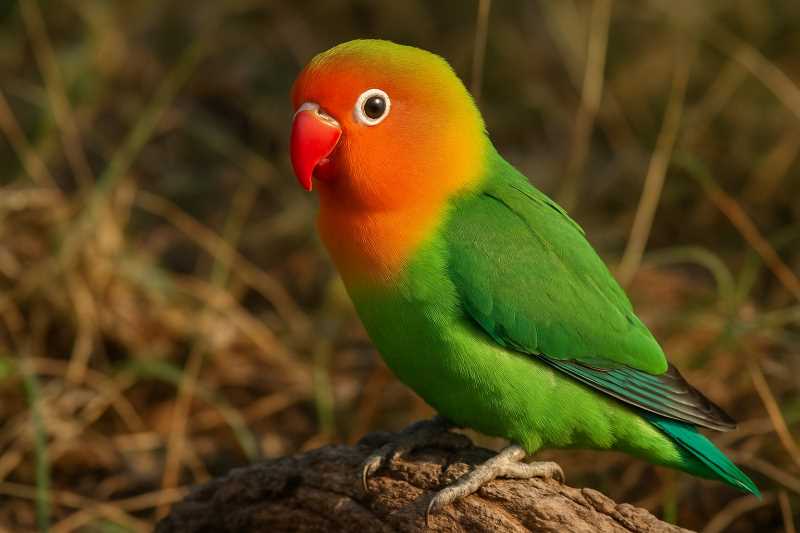
Lilian’s Lovebird is often confused with the more common Fischer’s Lovebird due to their similar appearance. However, a closer examination reveals unique features that distinguish them. Adult Lilian’s Lovebirds typically measure around 13 to 14 centimeters in length and weigh between 28 to 36 grams. Their plumage is predominantly green, with a vivid orange face and throat, and a lighter green chest and belly. The rump is blue, while the tail is accented with black and blue markings. Their beaks are a pale pinkish color, contrasting beautifully with their bright eyes that are surrounded by a white ring.
Natural Habitat and Distribution
These lovebirds are native to southeastern Africa, specifically concentrated in the regions of Malawi, Mozambique, Zambia, and Zimbabwe. They thrive in habitats such as savannahs, woodlands, and scrublands, particularly near bodies of water. Their preference for such environments is due to the availability of food sources and nesting sites.
Lilian’s Lovebirds are highly social creatures, often seen in small flocks. They are most active during the early morning and late afternoon when they forage for food, which mainly consists of seeds, fruits, and occasionally insects. Their social behavior is a key component of their survival strategy, offering protection against predators and facilitating communication among group members.
Behavior and Breeding
These lovebirds are renowned for their strong pair bonds. Once a pair forms, they stay together for life, engaging in mutual grooming and feeding. This bond is not only a testament to their affectionate nature but also plays a crucial role in their breeding success.
The breeding season for Lilian’s Lovebird coincides with the rainy season, when food is abundant. Females lay between 4 to 6 eggs in tree cavities or abandoned nests. Both parents participate in incubating the eggs, which hatch after approximately 23 days. The chicks fledge about 5 to 6 weeks post-hatching but remain dependent on their parents for food and protection for several weeks thereafter.
Threats and Conservation Status
Despite their charming appearance and behavior, Lilian’s Lovebirds face several threats in the wild. Habitat loss due to agricultural expansion and deforestation is a significant concern. Additionally, illegal trapping for the pet trade poses a threat to their population.
The International Union for Conservation of Nature (IUCN) currently lists Lilian’s Lovebird as Near Threatened. Conservation efforts are crucial to ensuring their survival. Initiatives focusing on habitat preservation and the enforcement of laws against illegal trade are vital. Furthermore, raising awareness about sustainable pet ownership can help reduce the demand for wild-caught specimens.
Keeping Lilian’s Lovebirds as Pets
For those interested in keeping Lilian’s Lovebirds as pets, it is important to acquire them from reputable breeders who follow ethical practices. These birds require spacious enclosures with opportunities for flight and enrichment to maintain their physical and mental health. A balanced diet, regular veterinary care, and social interaction are essential components of their care.
Lilian’s Lovebirds make excellent companions due to their playful and affectionate nature. They thrive on interaction and can even learn to mimic sounds and simple words over time. However, potential owners should be prepared for a long-term commitment, as these birds can live up to 15 years in captivity.
Conclusion
Lilian’s Lovebird is a captivating species that embodies the beauty and complexity of avian life. Their vibrant plumage, strong social bonds, and playful behavior make them a joy to observe and care for. Protecting their natural habitat and ensuring sustainable practices in pet trade are essential to preserving this species for future generations.
In conclusion, these lovebirds are not just pets or exotic animals; they are vital components of their ecosystems, contributing to biodiversity and ecological balance. Through concerted conservation efforts and responsible ownership, we can ensure that Lilian’s Lovebirds continue to thrive both in the wild and in our homes.
Related posts