The Adamawa Turtle Dove: A Detailed Insight into Its Ecology and Conservation
The Adamawa Turtle Dove, scientifically known as Streptopelia hypopyrrha, is a fascinating avian species that has captured the interest of ornithologists and bird enthusiasts alike. This bird, with its distinct features and intriguing behaviors, is native to the African continent, particularly within regions characterized by a mix of savannah and woodland habitats. Understanding the Adamawa Turtle Dove is crucial not only for bird watchers but also for conservationists aiming to preserve the delicate ecosystems where these birds play a pivotal role.
Taxonomy and Classification
The Adamawa Turtle Dove belongs to the family Columbidae, which includes pigeons and doves. Within the genus Streptopelia, it shares lineage with other turtle doves known for their slender bodies and graceful flight patterns. The species epithet, hypopyrrha, is derived from Greek, referring to the reddish hue often observed on the underparts of the bird.
Physical Characteristics
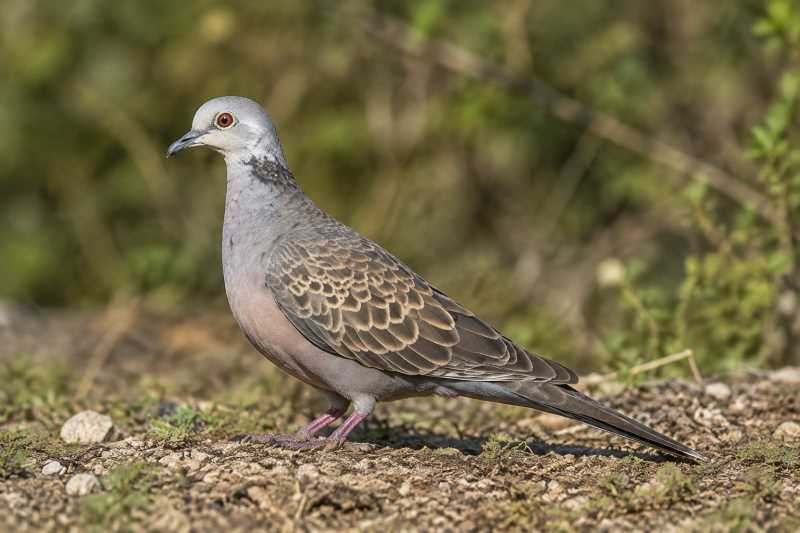
This dove is medium-sized, typically measuring around 28 to 30 centimeters in length. Its plumage is a harmonious blend of muted grays and browns, providing effective camouflage against the earthy tones of its habitat. The underparts of the Adamawa Turtle Dove are tinged with a subtle reddish tone, which becomes prominent during the breeding season. The eyes are encircled by a delicate ring of bare skin, adding to the bird’s distinctive appearance.
Habitat and Distribution
The Adamawa Turtle Dove is predominantly found in parts of West and Central Africa, with its range extending from Nigeria to Cameroon. It thrives in habitats that offer a combination of open spaces and dense vegetation, such as savannahs interspersed with patches of woodland and scrub. This preference for diverse habitats enables the species to exploit various food resources while also providing ample opportunities for nesting and protection from predators.
Behavior and Diet
A diurnal bird, the Adamawa Turtle Dove is most active during the early morning and late afternoon. Its diet primarily consists of seeds, grains, and occasionally small invertebrates. Foraging behavior is typically observed on the ground, where these birds peck methodically at the soil, extracting food items with precision. Additionally, they exhibit a strong preference for areas near water bodies, which are essential for hydration and bathing.
The social structure of the Adamawa Turtle Dove is characterized by monogamous pair bonds, often maintained throughout the breeding season. During courtship, males perform elaborate displays, including cooing calls and aerial acrobatics, to attract females. Nesting occurs in shrubs or trees, where the female lays two eggs, incubated by both parents over a period of approximately two weeks.
Conservation Status and Threats
The Adamawa Turtle Dove is currently listed as Near Threatened by the International Union for Conservation of Nature (IUCN). Habitat loss due to agricultural expansion and deforestation poses a significant threat to its survival. Moreover, hunting and trapping for the pet trade have contributed to population declines in some regions.
Efforts to conserve the Adamawa Turtle Dove focus on habitat protection and restoration, along with community-based conservation initiatives. Educating local populations about the ecological importance of this species and promoting sustainable land-use practices are key components of these efforts.
The Importance of Conservation
Preserving the Adamawa Turtle Dove is vital for maintaining the ecological balance within its native habitats. As a seed disperser, this dove plays an essential role in plant propagation, contributing to the health of both flora and fauna in its environment. Furthermore, the presence of a stable Adamawa Turtle Dove population is often indicative of a healthy ecosystem, making it a valuable bioindicator for conservationists.
In conclusion, the Adamawa Turtle Dove is a remarkable species deserving of attention and protection. By fostering awareness and implementing effective conservation strategies, we can ensure that this elegant bird continues to thrive in its natural habitat, enriching the biodiversity of the African landscape for generations to come.
Related posts