The Red-vested Myzomela: A Jewel of the Solomon Islands
Introduction
The Red-vested Myzomela (Myzomela malaitae) is a small, vibrant bird endemic to the Solomon Islands, specifically found on the island of Malaita. This striking bird is known for its brilliant red plumage which sets it apart from other species in the region. In this article, we delve into the unique characteristics, habitat, and conservation status of this beautiful avian species, highlighting its significance in the ecosystem and the threats it faces.
Physical Characteristics
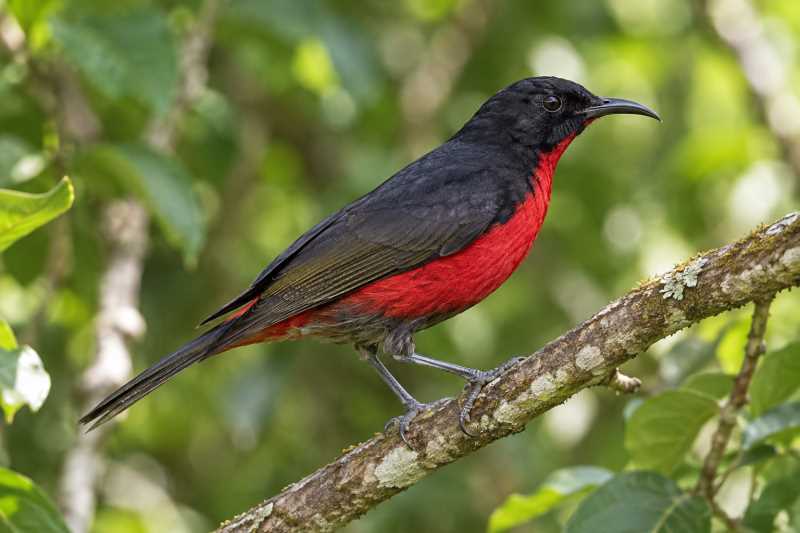
The Red-vested Myzomela is a relatively small bird, measuring about 12 centimeters in length. Its most distinguishing feature is its vivid red coloration, which covers its breast and head, contrasting sharply with its darker wings and back. The males typically exhibit more vibrant colors than the females, a common trait among many bird species. The beak is slender and slightly curved, adapted for nectar feeding, which is a primary component of its diet.
The bird’s bright plumage is not just for show; it plays a critical role in mating rituals and territorial displays. The vivid red coloration can be seen as a signal of health and vitality, crucial for attracting mates and deterring rivals.
Habitat and Distribution
The Red-vested Myzomela is endemic to Malaita, one of the Solomon Islands, which is located in the southwestern Pacific Ocean. These birds inhabit lowland and montane forests, often preferring areas with abundant flowering plants. Due to their reliance on nectar, they are usually found in habitats where flowers are plentiful, such as forest edges, gardens, and sometimes plantations.
Their presence in such specific habitats makes them excellent indicators of environmental health. Changes in their population sizes can reflect broader ecological shifts, often signaling changes in local biodiversity or habitat quality.
Diet and Feeding Behavior
Primarily nectarivorous, the Red-vested Myzomela feeds on the nectar of various flowering plants. Their long, curved bills are perfectly adapted for accessing nectar deep within flowers. In addition to nectar, they occasionally eat small insects and spiders, providing them with essential proteins and other nutrients.
These birds play a vital role in their ecosystem as pollinators. As they feed on nectar, they inadvertently transfer pollen from one flower to another, facilitating plant reproduction and maintaining the health of their habitat.
Breeding and Reproduction
The breeding season of the Red-vested Myzomela typically coincides with periods of flower abundance, ensuring that there is ample food for the chicks. Their nests are small, cup-shaped structures usually located in shrubs or small trees, constructed from grass, leaves, and spider webs.
Females lay one to three eggs per clutch, and both parents are involved in feeding and caring for the young. The involvement of both parents is critical for the survival of the chicks, as it allows for constant feeding and protection from predators.
Conservation Status
The Red-vested Myzomela is currently classified as Least Concern by the International Union for Conservation of Nature (IUCN). However, like many island species, it faces threats from habitat destruction, climate change, and invasive species. Deforestation for logging and agriculture poses a significant risk to their natural habitats, while climate change can alter the availability of their food sources.
Efforts to conserve their habitats are crucial for the survival of this species. Conservation strategies include protecting forested areas from deforestation, controlling invasive species, and promoting sustainable land-use practices.
Importance in Culture and Ecosystem
Beyond their ecological role, the Red-vested Myzomela holds cultural significance for the local communities in Malaita. Birds often feature in local folklore and are considered symbols of beauty and vitality.
Ecologically, they are critical for maintaining the health of the forest ecosystems. Their role as pollinators supports plant diversity, which in turn sustains a variety of other wildlife, highlighting the interconnectedness of their ecosystem.
Conclusion
The Red-vested Myzomela is a vibrant and essential component of the Solomon Islands’ biodiversity. While currently not endangered, proactive conservation efforts are necessary to ensure that this species continues to thrive in its natural habitat. By understanding and protecting such species, we preserve the intricate tapestry of life that sustains our planet.
Through increased awareness and conservation action, we can help safeguard the future of the Red-vested Myzomela, ensuring that it remains a vibrant symbol of the natural beauty and ecological wealth of the Solomon Islands for generations to come.
Related posts