Introduction
The San Martín Titi, scientifically known as Plecturocebus oenanthe, is a captivating primate species native to the lush tropical forests of Peru. This small New World monkey is a member of the diverse family Pitheciidae, which encompasses various titi monkeys known for their distinct vocalizations and social behaviors. The San Martín Titi is particularly notable for its striking appearance and unique ecological niche, which have made it a subject of interest for both researchers and conservationists.
Physical Description
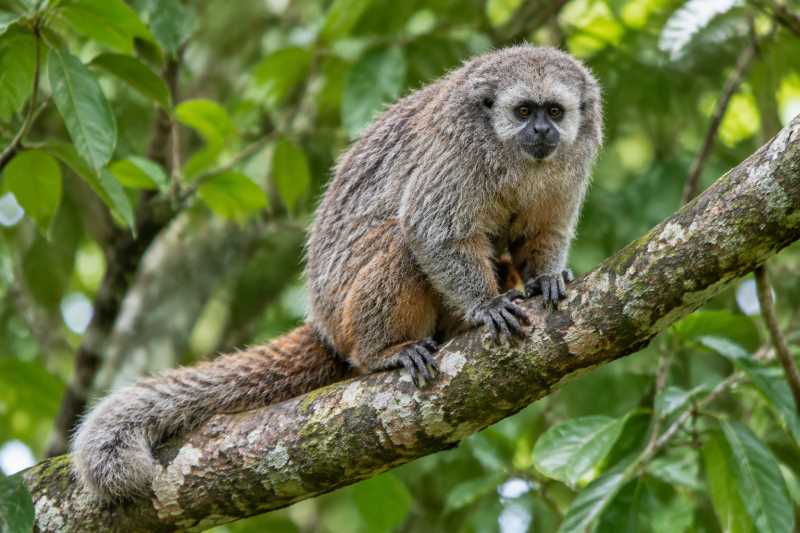
The San Martín Titi is a small primate, typically weighing between 800 grams to 1 kilogram. Its body length ranges from 23 to 46 centimeters, with an impressive tail almost as long as its body, which it uses for balance and communication. The species is characterized by its soft, dense fur, predominantly gray with a reddish-brown hue on the back and limbs. Its face is framed with a golden hue, and its expressive eyes are surrounded by a ring of white fur. The hands and feet of the San Martín Titi are adapted for grasping branches, allowing it to navigate its arboreal habitat with agility.
Range and Habitat
The San Martín Titi is endemic to Peru, with its range primarily confined to the departments of San Martín and Loreto. This species thrives in tropical moist forests, particularly in areas with dense canopy cover that provides ample food resources and protection from predators. These forests are typically found at elevations ranging from 200 to 1,000 meters above sea level. The San Martín Titi’s habitat is characterized by a rich diversity of plant species, offering both fruit and insects, which form the basis of its diet.
Behavior and Diet
The San Martín Titi is a diurnal and arboreal species, spending most of its life in the trees. It is known for its complex social structures, living in small family groups typically composed of a monogamous pair and their offspring. Vocal communication plays a crucial role in maintaining group cohesion and territory defense, with the species exhibiting a range of vocalizations from high-pitched calls to low growls.
In terms of diet, the San Martín Titi is primarily frugivorous, feeding on a variety of fruits, seeds, and leaves. However, it also supplements its diet with insects and small vertebrates, making it an omnivore. This dietary flexibility helps the species adapt to seasonal variations in food availability in its rainforest habitat.
Identification Tips (Field Recognition Cues)
Identifying the San Martín Titi in the wild can be a rewarding challenge for primatologists and wildlife enthusiasts. Key identification tips include:
- Fur Coloration: Look for the distinctive gray and reddish-brown fur with a golden hue around the face.
- Tail: Observe the long, bushy tail used for balance, often held upright as the monkey moves through the trees.
- Vocalizations: Listen for their characteristic calls, which can be heard over long distances in the dense forest.
- Social Groups: Spot small family groups moving cohesively through the canopy, often seen grooming or resting together.
Conservation Status (With Threats and Protections)
The San Martín Titi is currently classified as Critically Endangered on the IUCN Red List of Threatened Species. The primary threat to its survival is habitat loss due to deforestation for agriculture, logging, and human settlement expansion. Additionally, illegal pet trade poses a significant risk to wild populations.
Conservation efforts are underway to protect the San Martín Titi and its habitat. These include the establishment of protected areas, reforestation initiatives, and community-based conservation programs that involve local populations in sustainable land-use practices. Efforts are also being made to raise awareness about the species and implement stricter regulations against illegal wildlife trade.
Frequently Asked Questions
Why is this species unique?
The San Martín Titi is unique due to its limited geographic range and specialized habitat requirements. Its distinct vocalizations and social behavior also set it apart from other primate species, making it a vital component of its ecosystem in Peru.
What are the main threats to the San Martín Titi?
The main threats include habitat destruction due to deforestation, agricultural expansion, and illegal wildlife trade. These factors have led to significant population declines, prompting urgent conservation action.
How can we help in the conservation of this species?
Supporting conservation organizations, promoting sustainable land use, and raising awareness about the species’ plight are crucial steps. Individuals can also contribute by advocating for stronger wildlife protection laws and supporting reforestation projects in Peru.
What do San Martín Titis eat?
San Martín Titis primarily eat fruits, seeds, and leaves, but they also consume insects and small vertebrates. This omnivorous diet allows them to adapt to varying food availability in their rainforest habitat.
Related posts