The Orange-bellied Parrot: A Beacon of Conservation Efforts
The Orange-bellied Parrot (Neophema chrysogaster) is an avian marvel that has captured the hearts of conservationists and bird enthusiasts alike. This small, vividly colored parrot, native to Australia, stands as a symbol of both the beauty and fragility of our planet’s ecosystems. With a population that has dwindled to critically low numbers, the story of the Orange-bellied Parrot is one of urgent conservation efforts and the hope of species recovery.
A Glimpse into Their World
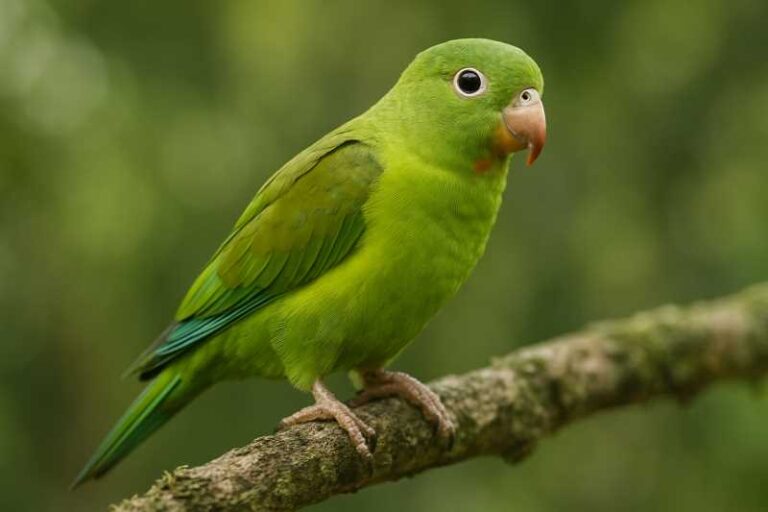
The Orange-bellied Parrot is a small parrot species, measuring about 20 cm in length with a wingspan of approximately 32 cm. Its vibrant plumage, characterized by a striking mix of green, blue, and its signature orange belly, makes it one of the most visually distinctive bird species in Australia. Males typically exhibit brighter colors than females, a common trait among avian species.
These parrots are migratory, breeding in the southwestern coast of Tasmania and wintering in coastal Victoria and South Australia. Their preferred habitats are coastal heathlands, which provide the necessary resources for nesting and feeding. The diet of the Orange-bellied Parrot consists mainly of seeds, fruits, and flowers, with a preference for salt-tolerant plant species found in their natural habitat.
The Conservation Crisis
The Orange-bellied Parrot is listed as Critically Endangered by the International Union for Conservation of Nature (IUCN). The decline in their population has been drastic, with estimates suggesting fewer than 50 individuals left in the wild as of recent counts. Several factors have contributed to their decline, including habitat loss due to urban development, agriculture, and the impacts of climate change.
Moreover, their limited breeding range in Tasmania makes them particularly vulnerable to stochastic events such as fires and severe weather conditions. Predation by introduced species, such as cats and foxes, has further exacerbated the situation, leading to a dire need for comprehensive conservation strategies.
Conservation Efforts: A Race Against Time
In response to the precarious status of the Orange-bellied Parrot, numerous conservation programs have been initiated. The Orange-bellied Parrot Recovery Program, a collaborative effort between government agencies, non-governmental organizations, and community groups, aims to prevent the extinction of this species through a multi-faceted approach.
One of the key components of this recovery effort is the captive breeding program. Facilities such as the Healesville Sanctuary and the Taroona Captive Breeding Facility in Tasmania have been instrumental in breeding and releasing Orange-bellied Parrots into the wild. This program not only helps boost the wild population but also maintains genetic diversity, which is crucial for the long-term survival of the species.
Additionally, habitat protection and restoration are paramount. Conservationists work tirelessly to manage and rehabilitate key habitats, ensuring that these areas are free of invasive species and conducive to the needs of the Orange-bellied Parrot. Community engagement and awareness campaigns play a vital role in this aspect, highlighting the importance of preserving the delicate ecosystems these parrots depend on.
The Role of Technology and Research
Advancements in technology and research have provided valuable tools in the conservation of the Orange-bellied Parrot. Satellite tracking and banding initiatives have enhanced our understanding of their migratory patterns, helping identify critical habitats and potential threats along their migratory routes.
Furthermore, genetic studies have been pivotal in understanding the genetic health of both wild and captive populations. This research guides breeding programs to ensure that genetic diversity is maintained, reducing the risk of inbreeding and associated health problems.
A Call to Action
The plight of the Orange-bellied Parrot serves as a poignant reminder of the broader environmental challenges we face. Their story underscores the importance of concerted conservation efforts and the need for immediate action to protect not only this species but also the myriad of others that inhabit our planet.
Public support and involvement are crucial for these conservation efforts to succeed. By raising awareness and fostering a connection between people and wildlife, we can pave the way for a brighter future for the Orange-bellied Parrot and countless other species teetering on the brink of extinction.
Conclusion
The Orange-bellied Parrot is more than just a bird; it is a symbol of hope, resilience, and the power of conservation. While the challenges are immense, the dedication and commitment of those involved in their recovery offer a beacon of hope. Through continued efforts, collaboration, and innovation, we can ensure that future generations will have the privilege of witnessing the vibrant flight of the Orange-bellied Parrot across Australia’s skies.
As we strive to protect this remarkable species, let us be reminded of our collective responsibility to safeguard the natural world and all its inhabitants. The survival of the Orange-bellied Parrot depends on us, and with concerted action, we can turn the tide for this endangered bird and many others like it.
Related posts