The Pacific Flatbill: A Detailed Look at Rhynchocyclus pacificus
Introduction
The Pacific Flatbill, scientifically known as Rhynchocyclus pacificus, is a remarkable bird species native to the lush rainforests of Central and South America. This avian species is part of the Tyrannidae family, which is renowned for its diverse and intriguing members. The Pacific Flatbill is an integral component of its ecosystem, playing a vital role in maintaining the ecological balance. This article delves into the intricate aspects of the Pacific Flatbill, exploring its habitat, behavior, diet, and conservation status.
Habitat and Distribution
The Pacific Flatbill predominantly inhabits the lowland and foothill forests along the Pacific slopes of Costa Rica and Panama. These regions provide the ideal environment for the species, characterized by dense foliage and a rich diversity of plant and animal life. The bird thrives in humid tropical environments, often found in primary and secondary forests, as well as forest edges and clearings.
The geographical distribution of the Pacific Flatbill is relatively limited compared to other species within the Tyrannidae family. This restricted range can be attributed to its specific habitat preferences and environmental requirements. Despite this limited distribution, the Pacific Flatbill is not considered endangered, thanks to the relatively stable condition of its habitat in these regions.
Physical Characteristics
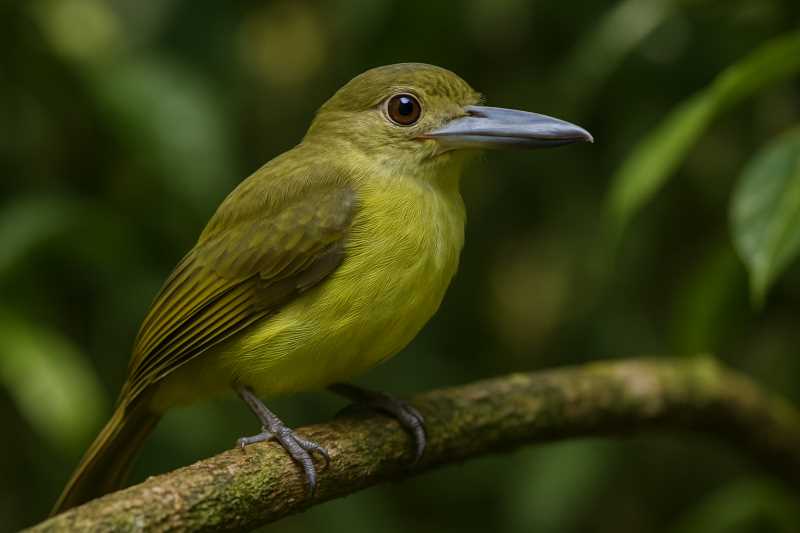
The Pacific Flatbill is a small to medium-sized bird, measuring approximately 14 to 16 centimeters in length. It is characterized by its broad, flattened bill, which is a defining feature of the species. The bird’s plumage is predominantly olive-green, providing excellent camouflage in the verdant canopy of its forest habitat. The underparts are typically lighter in color, ranging from pale yellow to whitish, with a subtle olive wash.
One of the distinguishing features of the Pacific Flatbill is its rounded wings and short tail, adaptations that facilitate agile movement through the dense forest understory. The bird’s eyes are large and dark, enhancing its ability to forage for insects in low-light conditions.
Behavior and Diet
The Pacific Flatbill exhibits fascinating behavioral traits that are well-suited to its environment. It is primarily an insectivore, feeding on a variety of insects and arthropods. The bird employs a sit-and-wait strategy, perching quietly on branches before swooping down to snatch prey from foliage or capturing it in mid-air. This method of foraging is energy-efficient and allows the bird to exploit the abundant insect life within its habitat.
In addition to insects, the Pacific Flatbill occasionally supplements its diet with small fruits and berries. This opportunistic feeding behavior enables the bird to adapt to seasonal variations in food availability, ensuring its survival in the dynamic rainforest ecosystem.
The Pacific Flatbill is generally a solitary bird, though it may occasionally be observed in mixed-species flocks. Such associations offer mutual benefits, enhancing foraging efficiency and providing protection against predators. The bird’s calls are soft and melodious, often described as a series of whistles and trills that resonate through the forest.
Reproduction and Lifespan
Breeding in the Pacific Flatbill occurs during the wet season when food resources are plentiful. The bird constructs a cup-shaped nest using twigs, leaves, and other plant materials, typically situated in the fork of a tree branch. The female lays a clutch of two to three eggs, which she incubates for about 14 days.
Both parents participate in feeding and caring for the chicks, which fledge approximately two weeks after hatching. The extended parental care ensures the young birds develop the necessary skills to thrive independently in their complex environment.
The lifespan of the Pacific Flatbill in the wild is not explicitly documented; however, members of the Tyrannidae family generally live for several years, with some species reaching up to a decade or more.
Conservation Status
Currently, the Pacific Flatbill is classified as a species of “Least Concern” by the International Union for Conservation of Nature (IUCN). This classification reflects the species’ stable population and the adequate protection of its habitat in the regions it inhabits. However, ongoing deforestation and habitat degradation pose potential threats to the species’ long-term survival.
Conservation efforts in Costa Rica and Panama focus on preserving the rainforests and maintaining biodiversity. Initiatives such as protected areas and sustainable land-use practices are crucial in safeguarding the natural habitats of the Pacific Flatbill and other endemic species.
Conclusion
The Pacific Flatbill is a captivating avian species that embodies the rich biodiversity of Central and South America’s rainforests. Its unique adaptations, intriguing behaviors, and ecological significance underscore the importance of preserving these vibrant ecosystems. As the world continues to grapple with environmental challenges, understanding and protecting species like the Pacific Flatbill remain imperative for maintaining the planet’s ecological balance.
References
To further explore the Pacific Flatbill and its role in the ecosystem, readers are encouraged to consult ornithological studies, conservation reports, and field guides dedicated to the birds of Central and South America.
Related posts