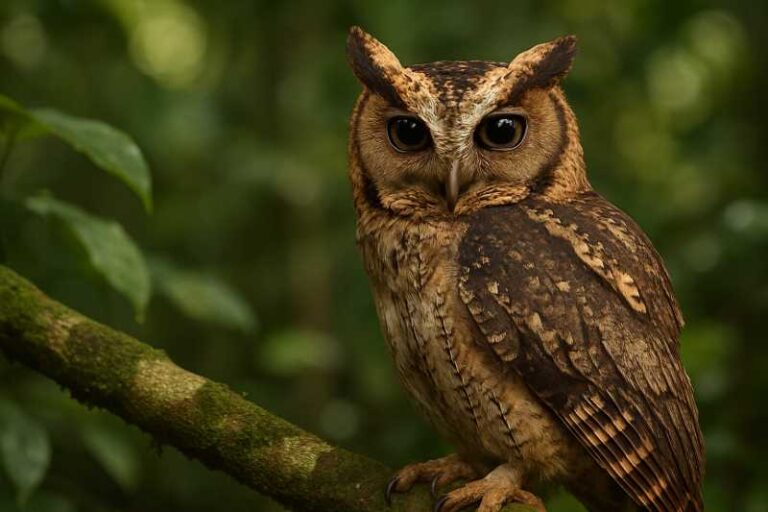
The Elusive Central American Pygmy Owl: A Comprehensive Overview
The Central American Pygmy Owl (Glaucidium griseiceps) is a captivating and lesser-known bird species that inhabits the subtropical and tropical forests of Central America. Despite its small size, this diminutive predator plays a significant role in its ecosystem, and its unique behaviors and characteristics have piqued the interest of ornithologists and bird enthusiasts alike.
Physical Characteristics
Measuring only about 14 to 17 centimeters in length, the Central American Pygmy Owl is a small, robust bird with a rounded head and no ear tufts. Its plumage is primarily a rich brown color, dotted with white spots on the head and nape, which provides excellent camouflage against the backdrop of tree bark and foliage. The underparts are white with bold brown streaks, and its eyes are strikingly yellow, giving it an alert and inquisitive expression. The tail is relatively short, and the wings are rounded, adaptations that aid in maneuvering through dense forest habitats.
Habitat and Distribution
This species is found predominantly in the lowland and montane forests from southern Mexico through Central America, including countries such as Belize, Guatemala, Honduras, Nicaragua, Costa Rica, and Panama. The Central American Pygmy Owl thrives in a variety of forest types, including evergreen and deciduous forests, as well as secondary growth and forest edges. It is particularly fond of dense, humid environments where it can remain concealed from predators and ambush its prey.
Behavior and Diet
Despite its small size, the Central American Pygmy Owl is a formidable predator. It is primarily carnivorous, preying on a diet that includes insects, small mammals, birds, and reptiles. Its hunting strategy involves perching silently and motionlessly while scanning the surroundings for potential prey. Once sighted, the owl will swoop down with surprising speed and agility to capture its target.
Interestingly, this owl is diurnal, meaning it is active during the day. This trait is relatively uncommon among owls, most of which are nocturnal. Being diurnal allows the Central American Pygmy Owl to exploit a different ecological niche, reducing competition with other owl species for food resources.
Reproduction and Lifespan
The breeding season for the Central American Pygmy Owl typically occurs between March and June. During this time, males engage in elaborate courtship displays, which include vocalizations and aerial maneuvers to attract a mate. The female lays a clutch of 3 to 5 eggs in a tree cavity, often one that has been previously used by woodpeckers. Both parents are involved in incubating the eggs and feeding the chicks once they hatch.
The lifespan of the Central American Pygmy Owl can vary, but in the wild, these birds typically live around 5 to 10 years. Predation by larger birds of prey and loss of habitat are among the factors that can affect their longevity.
Conservation Status
As of the most recent assessments, the Central American Pygmy Owl is not considered a threatened species and is listed as Least Concern by the International Union for Conservation of Nature (IUCN). However, like many forest-dependent species, it faces potential threats from habitat destruction due to deforestation and agricultural expansion. Conservation efforts aimed at preserving natural forest habitats are essential for ensuring the long-term survival of this species.
Conclusion
The Central American Pygmy Owl is an enchanting yet overlooked inhabitant of Central America’s rich biodiversity. Its small size and secretive nature make it a challenging bird to study, yet its presence is vital to the health of its ecosystem. As we continue to learn more about this elusive owl, it is crucial to prioritize conservation efforts that protect its natural habitats and ensure that future generations can enjoy the sight and sound of this remarkable bird.
By raising awareness about species like the Central American Pygmy Owl, we can foster a greater appreciation for the diverse wildlife that inhabits our planet and encourage actions that contribute to their preservation. This small, resilient owl reminds us that even the tiniest creatures play an integral role in the complex tapestry of life on Earth.
Related posts