Unveiling the Secrets of the Subtropical Pygmy Owl (Glaucidium parkeri)
The Subtropical Pygmy Owl, scientifically known as *Glaucidium parkeri*, is a fascinating species that captivates ornithologists and bird enthusiasts alike. As its name suggests, this diminutive owl inhabits subtropical regions, primarily thriving in the lush forests of the Andes. With its elusive nature and distinct characteristics, the Subtropical Pygmy Owl is a subject of intrigue and admiration.
Habitat and Distribution
The Subtropical Pygmy Owl is primarily found in the cloud forests of the Andes, stretching across Venezuela, Colombia, Ecuador, Peru, and Bolivia. These forests, characterized by high humidity and persistent cloud cover, provide an ideal habitat for these small owls. The dense vegetation offers ample cover and abundant prey, essential for the owl’s survival and reproduction.
These owls are typically found at elevations ranging from 1,200 to 3,000 meters above sea level. The subtropical climate within these altitudes supports a rich biodiversity, contributing to the owl’s diverse diet and offering protection from larger predators.
Physical Characteristics
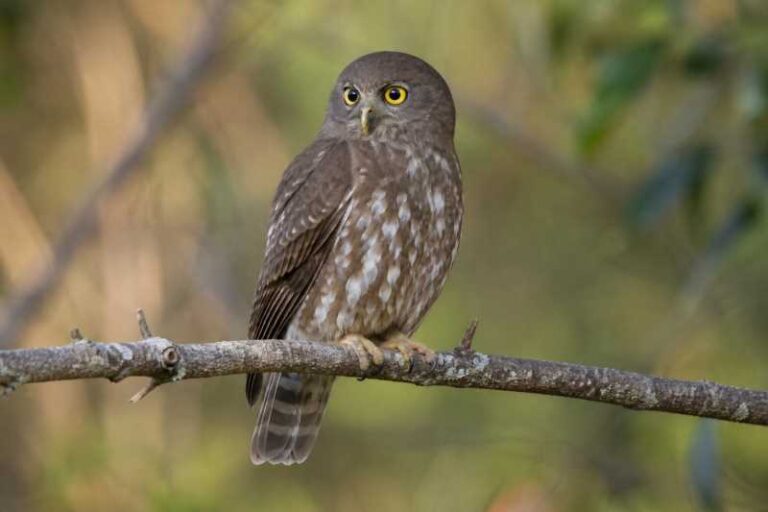
Measuring only about 15 centimeters in length, the Subtropical Pygmy Owl is one of the smallest owl species in the world. Despite its diminutive size, it boasts a robust and compact build. Its plumage is predominantly brown with white spots and streaks, providing excellent camouflage against the forest backdrop.
One of the most striking features of this owl is its large, piercing yellow eyes, which are perfectly adapted for nocturnal hunting. Its rounded head, lacking ear tufts, adds to its unique appearance. This species also possesses a short, rounded tail and a hooked beak, essential for capturing and consuming prey.
Behavior and Diet
The Subtropical Pygmy Owl is a solitary and territorial bird, often occupying a specific range within its forested habitat. It is primarily crepuscular, being most active during dawn and dusk. However, it can also exhibit diurnal behavior, particularly when hunting or defending its territory.
These owls are opportunistic hunters, with a diet that includes insects, small mammals, birds, and reptiles. Their hunting strategy involves using their acute vision and silent flight to ambush prey, often swooping down from a perch for a swift capture.
Reproduction and Lifespan
Breeding season for the Subtropical Pygmy Owl usually coincides with the onset of the rainy season, which varies across its range. During this period, males establish territories and attract females with a series of high-pitched calls.
Once paired, the female lays a clutch of 2-4 eggs in a tree cavity or abandoned nest. Both parents share responsibilities, with the female primarily incubating the eggs while the male provides food. The chicks hatch after approximately 28 days and fledge the nest about a month later.
The lifespan of the Subtropical Pygmy Owl in the wild is not well-documented, but it is estimated to be around 5-8 years, depending on environmental conditions and predation pressures.
Conservation Status
The Subtropical Pygmy Owl is currently classified as Least Concern by the International Union for Conservation of Nature (IUCN). However, like many species inhabiting the Andean cloud forests, it faces threats from habitat loss due to deforestation and agricultural expansion.
Conservation efforts are crucial for preserving the delicate ecosystems these owls depend on. Initiatives aimed at protecting forest habitats and promoting sustainable land use practices are vital for ensuring the survival of this intriguing species.
Conclusion
The Subtropical Pygmy Owl is a remarkable example of the biodiversity found in the Andean cloud forests. Its unique adaptations and behaviors make it a subject of ongoing research and conservation interest. As we continue to learn more about this elusive owl, efforts to protect its habitat and ensure its survival become increasingly important.
By understanding and appreciating the Subtropical Pygmy Owl, we can contribute to the broader goal of conserving the rich biodiversity of our planet’s subtropical forests, ensuring these ecosystems thrive for generations to come.
Related posts