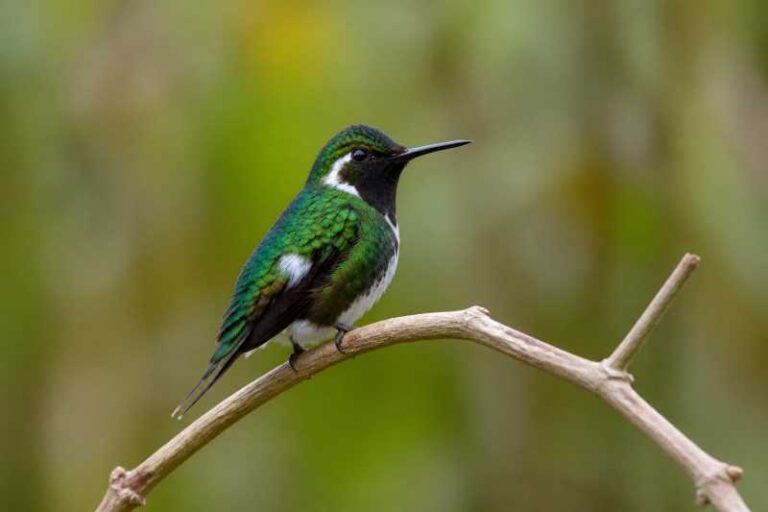
The Hawaii Amakihi: A Symbol of Resilience in the Face of Ecological Change
The Hawaii Amakihi, a small, vibrant songbird endemic to the Hawaiian archipelago, is a remarkable example of nature’s resilience. Known for its adaptability, the Amakihi has piqued the interest of ornithologists and conservationists alike, as it continues to survive and even thrive in environments where many other native species are declining. This article explores the biology, ecological significance, and conservation challenges of the Hawaii Amakihi, highlighting its role as a beacon of hope in the fight against environmental change.
Biological Characteristics
The Hawaii Amakihi, belonging to the genus Chlorodrepanis, comprises three recognized subspecies: the Hawaii Amakihi (Chlorodrepanis virens), the Oahu Amakihi (Chlorodrepanis flavus), and the Kauai Amakihi (Chlorodrepanis stejnegeri). These small birds are characterized by their olive-green plumage, short, slightly curved bills, and a distinctive song that resonates through the forests of Hawaii.
Amakihi are primarily nectarivorous, feeding on the nectar of native flowers such as the ohia lehua. However, their diet is quite versatile, including insects and small arthropods, which allows them to adapt to different food availabilities. This dietary flexibility is one of the traits that enable the Amakihi to persist in varying environmental conditions.
Ecological Role and Adaptation
The Hawaii Amakihi plays a critical role in pollination, particularly of native Hawaiian plants, making it an essential component of the ecosystem. Its ability to adapt to various elevations and habitats, from lowland forests to upland shrublands, underscores its ecological versatility.
One of the most fascinating aspects of the Amakihi is its apparent resistance to avian malaria, a disease that has devastated many other native Hawaiian bird populations. Researchers have observed that some Amakihi populations have developed genetic resistance to the disease, allowing them to survive in lower elevations where mosquitoes, the vectors of avian malaria, are more prevalent. This resistance is an encouraging sign of the Amakihi’s potential to adapt to changing environmental pressures.
Conservation and Challenges
Despite its resilience, the Hawaii Amakihi faces numerous threats that underscore the need for ongoing conservation efforts. Habitat destruction due to urban development, agriculture, and invasive species poses significant risks to its survival. Invasive plants and animals alter the native habitat, outcompeting the native flora and fauna and disrupting the delicate ecological balance.
Climate change further exacerbates these challenges by altering the distribution of both the Amakihi and its food sources. Rising temperatures and changing precipitation patterns threaten to push the Amakihi’s habitat to higher elevations, reducing available living space and increasing competition with other species.
Conservation efforts focus on habitat restoration, invasive species control, and research into the Amakihi’s genetic resistance to diseases. Understanding the genetic basis of this resistance could offer insights into the development of conservation strategies for other susceptible species.
A Beacon of Hope
The Hawaii Amakihi’s story is one of hope and resilience. Its ability to adapt to changing environments provides a valuable lesson in the importance of biodiversity and the need to protect it. As climate change continues to impact ecosystems worldwide, the Amakihi serves as a reminder of nature’s resilience and the critical need for human intervention to support and preserve these natural processes.
The ongoing study and conservation of the Hawaii Amakihi are crucial, not only for the survival of the species itself but also for the preservation of the unique Hawaiian ecosystems it inhabits. The Amakihi’s success in the face of adversity offers inspiration and underscores the importance of adaptive management strategies in conservation biology.
In conclusion, while the Hawaii Amakihi faces significant challenges, its resilience offers valuable insights into the potential pathways for conservation success. By understanding and supporting these resilient species, we can foster ecosystems that are better equipped to withstand the pressures of ecological change.
Related posts