The Enigmatic Beauty of the Moluccan Dwarf Kingfisher (Ceyx lepidus)
The Moluccan Dwarf Kingfisher, known scientifically as *Ceyx lepidus*, is a captivating avian species that graces the lush, verdant landscapes of the Moluccas, an archipelago in Indonesia. Revered for its dazzling plumage and elusive nature, this species is a subject of great interest among ornithologists and bird enthusiasts alike. This article delves into the intriguing world of the Moluccan Dwarf Kingfisher, exploring its habitat, behavior, and conservation status.
Habitat and Distribution
The Moluccan Dwarf Kingfisher is endemic to the Moluccan Islands, which form part of the larger Maluku Islands in eastern Indonesia. This bird is primarily found in lowland forests and subtropical or tropical moist montane forests. The rich biodiversity and dense canopy of these forests provide the perfect environment for the kingfisher to thrive.
Despite its name, the Moluccan Dwarf Kingfisher is not restricted solely to the Moluccas. Its range extends to nearby islands within the region, including Buru, Seram, and Halmahera. These islands offer an array of ecological niches that support the kingfisher’s lifestyle, from thick mangrove swamps to serene riverbanks.
Physical Characteristics
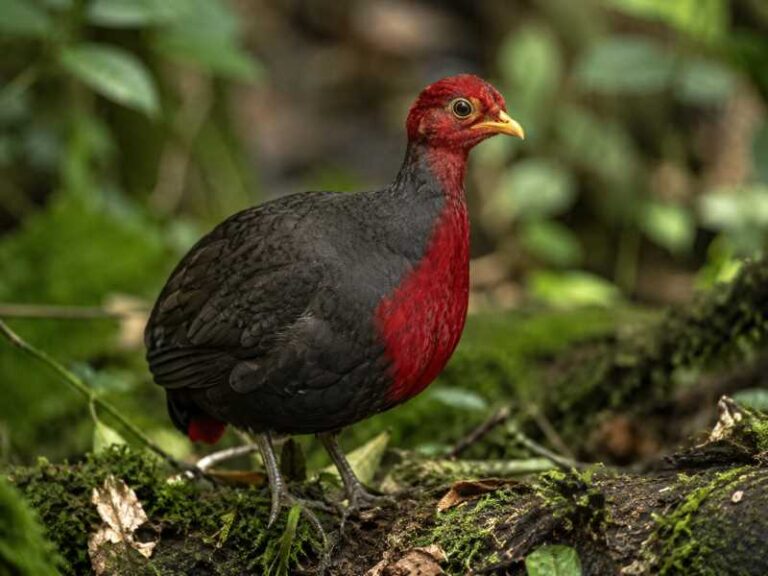
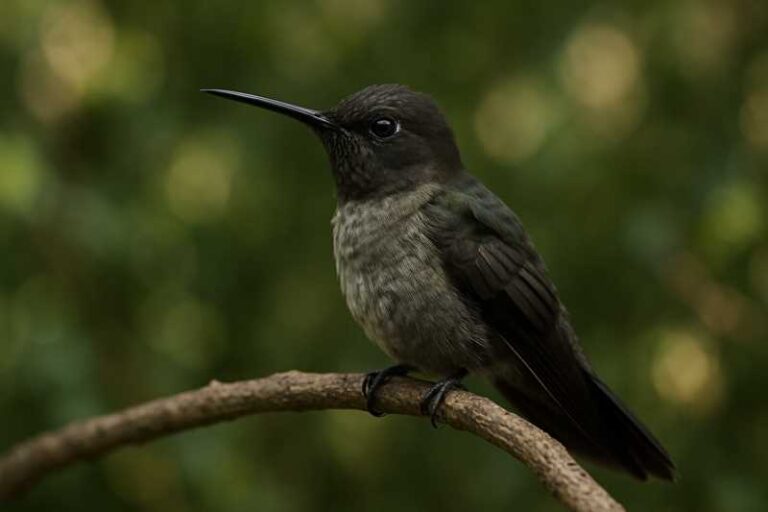
True to its name, the Moluccan Dwarf Kingfisher is diminutive, measuring approximately 12-14 centimeters in length. It is renowned for its vivid and striking coloration. The upperparts are a brilliant blue, shimmering in the sunlight, while the underparts display a vibrant orange hue. This striking contrast makes the bird a visual delight, although it can be challenging to spot amid the dense forest foliage.
The bird’s compact body, short tail, and strong, pointed bill are perfectly adapted for its insectivorous diet. The kingfisher’s eyes are large and alert, enhancing its ability to spot prey even in dimly lit forest interiors.
Behavior and Diet
The Moluccan Dwarf Kingfisher is primarily insectivorous, with a diet consisting of insects, small crustaceans, and occasionally small amphibians. It employs a sit-and-wait hunting strategy, perching quietly on low branches before swooping down to capture prey with precise accuracy.
This kingfisher is known for its solitary nature, often seen alone or in pairs rather than in flocks. Its call is a series of high-pitched whistles, which can be heard echoing through the forest canopy, often betraying its otherwise secretive presence.
Breeding and Nesting
The breeding season for the Moluccan Dwarf Kingfisher typically coincides with the onset of the rainy season, when food is abundant. The species is believed to be monogamous, forming long-term pair bonds. Nesting takes place in burrows dug into the banks of rivers or in termite mounds, where the female lays a clutch of 2-4 eggs.
Both parents share the responsibility of incubating the eggs and feeding the chicks once they hatch. The young are altricial, hatching blind and featherless, requiring intensive care from both parents until they fledge and become independent.
Conservation Status and Threats
Currently, the Moluccan Dwarf Kingfisher is classified as Near Threatened on the IUCN Red List. The primary threat to its survival is habitat loss, driven by deforestation and land conversion for agriculture and development. The expansion of oil palm plantations in the region poses a significant risk to the bird’s natural habitat.
Conservation efforts are essential to ensure the survival of this species. Protecting remaining forest areas, enforcing anti-logging regulations, and promoting sustainable land use practices are crucial steps in preserving the kingfisher’s habitat.
The Role of Ecotourism
Ecotourism has the potential to play a vital role in the conservation of the Moluccan Dwarf Kingfisher. By promoting sustainable tourism practices that focus on birdwatching and nature experiences, local communities can derive economic benefits while fostering a sense of stewardship for their natural environment. Educating tourists and locals alike about the importance of biodiversity and conservation can help mitigate the threats facing this and other endemic species.
Conclusion
The Moluccan Dwarf Kingfisher is a symbol of the rich biodiversity found in Indonesia’s Moluccas. Its vibrant appearance and elusive behavior make it a fascinating subject for study and admiration. As we continue to face global biodiversity challenges, the preservation of such unique species becomes increasingly important. Through concerted conservation efforts and sustainable practices, we can ensure that future generations have the opportunity to marvel at the beauty and wonder of the Moluccan Dwarf Kingfisher.
References
– BirdLife International (2021). “Ceyx lepidus.” The IUCN Red List of Threatened Species 2021.
– Forshaw, J. M., & Cooper, W. T. (1987). “Kingfishers and Related Birds.”
– del Hoyo, J., Elliott, A., & Sargatal, J. (1996). “Handbook of the Birds of the World.”
Related posts