The Rusty-capped Kingfisher: A Gem of the Pacific
Nestled within the verdant landscapes of Palau, the Rusty-capped Kingfisher (Todiramphus pelewensis) stands as a testament to the unique biodiversity of island ecosystems. This striking avian species, belonging to the Alcedinidae family, draws the attention of ornithologists and bird enthusiasts alike with its distinctive appearance and fascinating behaviors.
A Distinctive Appearance
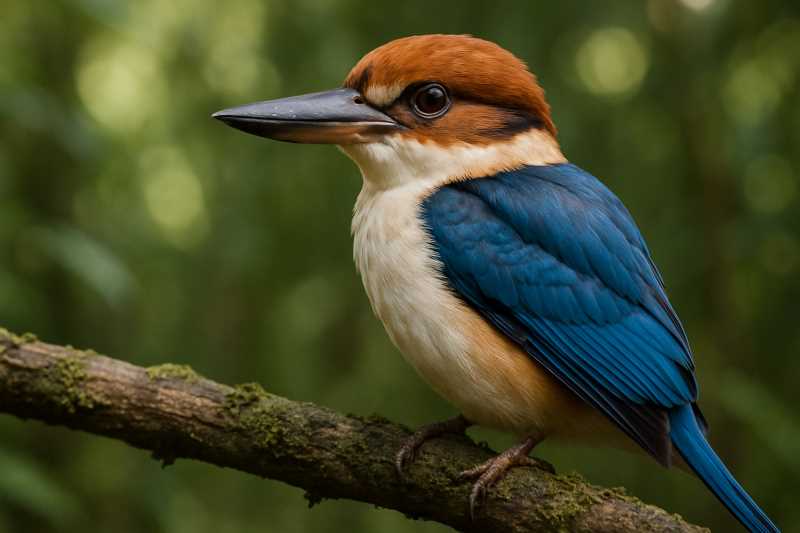
The Rusty-capped Kingfisher is aptly named for its striking rufous crown, which contrasts vividly against its otherwise bluish-green plumage. This palette not only serves as a beautiful camouflage against the lush, leafy backdrop of its island habitat but also provides a visual treat for those lucky enough to catch a glimpse. The bird’s underparts are predominantly white, a classic feature among kingfishers, while its eyes are dark and beady, giving it a curious and alert expression.
Measuring approximately 23 centimeters in length, this medium-sized kingfisher is robustly built, with a stout bill that is well-adapted for its diverse diet. Its wingspan allows for agile flight through the treetops, enabling it to navigate the dense foliage of its environment with ease.
Habitat and Distribution
The Rusty-capped Kingfisher is endemic to Palau, an archipelago of over 500 islands in the western Pacific Ocean. Its presence is primarily concentrated on the main islands, where it inhabits a variety of forested environments. From coastal mangroves to inland forests, this bird exhibits a remarkable adaptability to different ecological niches.
The island’s rich biodiversity provides a bountiful supply of food, allowing the Rusty-capped Kingfisher to thrive. Its diet is diverse, consisting of insects, small reptiles, and occasionally, fish. This opportunistic feeding behavior highlights the bird’s adaptability and resourcefulness, key traits for survival in an island ecosystem where food availability can fluctuate.
Behavioral Traits
One of the most captivating aspects of the Rusty-capped Kingfisher is its vocal repertoire. Known for its distinctive calls, the bird communicates through a series of sharp, high-pitched notes that resonate through the forest canopy. These calls serve multiple purposes, from staking territorial claims to attracting potential mates.
During the breeding season, the Rusty-capped Kingfisher engages in elaborate courtship displays. Pairs are monogamous and work collaboratively to excavate nesting burrows in tree cavities or earthen banks. This cooperative breeding behavior not only ensures the survival of their offspring but also strengthens the pair bond.
Conservation Status and Challenges
Despite its seemingly idyllic existence, the Rusty-capped Kingfisher faces several conservation challenges. Habitat destruction, primarily due to deforestation and land conversion for agriculture, poses a significant threat to its survival. Additionally, climate change and the introduction of invasive species further exacerbate these pressures, leading to a decline in suitable habitats and food sources.
Conservationists stress the importance of maintaining the natural environment of Palau to safeguard the future of the Rusty-capped Kingfisher and other endemic species. Efforts are underway to promote sustainable land-use practices and to protect critical habitats through the establishment of nature reserves and conservation areas.
The Role of Ecotourism
Ecotourism presents a promising avenue for the conservation of the Rusty-capped Kingfisher. By promoting responsible wildlife tourism, local communities can benefit economically while fostering an appreciation for the island’s unique natural heritage. Birdwatching tours, led by knowledgeable guides, offer visitors the chance to experience the beauty of Palau’s avian residents firsthand, including the captivating Rusty-capped Kingfisher.
Raising awareness about the ecological significance of this species can also inspire conservation action. By engaging both locals and tourists in educational programs, the intrinsic value of preserving Palau’s natural environment becomes evident, encouraging collective efforts to protect it for future generations.
Conclusion
The Rusty-capped Kingfisher embodies the rich biodiversity and ecological wonder of Palau. Its vibrant plumage, distinctive calls, and adaptive behaviors make it a cherished resident of the island’s forests. As we continue to face global environmental challenges, the conservation of such unique species becomes increasingly crucial. Collaborative efforts between conservationists, local communities, and ecotourism initiatives hold the key to ensuring that the Rusty-capped Kingfisher, along with its habitat, continues to thrive.
The story of the Rusty-capped Kingfisher serves as a powerful reminder of the beauty and fragility of island ecosystems. By working together to protect these environments, we can ensure that future generations will also have the opportunity to marvel at this magnificent bird, a true gem of the Pacific.
Related posts