The Enigmatic Bornean Frogmouth: A Glimpse into the Life of Batrachostomus mixtus
The Bornean Frogmouth (Batrachostomus mixtus) is an elusive nocturnal bird that captures the imagination of ornithologists and bird enthusiasts alike. Endemic to the lush forests of Borneo, this enigmatic species is known for its cryptic appearance and unique vocalizations. Despite its secretive nature, the Bornean Frogmouth plays a crucial role in the ecosystem, and understanding its habits and habitat is essential for conservation efforts.
Taxonomy and Classification
The Bornean Frogmouth belongs to the family Podargidae, which comprises a group of nocturnal birds characterized by their large, flattened bills and wide gape. First described scientifically in 1905, Batrachostomus mixtus is one of several species within the genus. This species is distinct from its relatives due to its specific adaptations to the Bornean environment.
Physical Characteristics
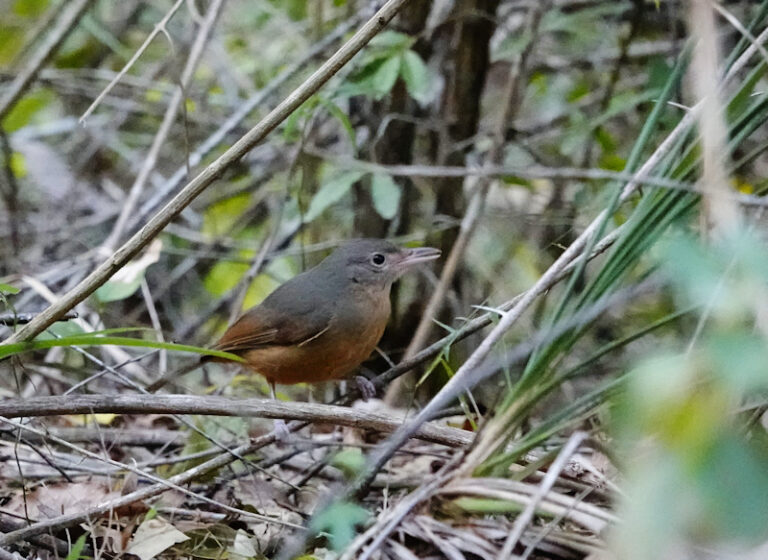
The Bornean Frogmouth is renowned for its remarkable camouflage. Its plumage is a mottled blend of browns, greys, and buffs, allowing it to blend seamlessly with the bark and foliage of its forest habitat. Measuring approximately 25-28 cm in length, the bird possesses a broad, flat bill reminiscent of a frog’s mouth, hence its common name. The eyes of the Bornean Frogmouth are large and adapted for nocturnal vision, aiding in its hunt for insects and small vertebrates.
Habitat and Distribution
This species is restricted to the island of Borneo, where it inhabits lowland and montane forests. The Bornean Frogmouth is typically found in areas with dense vegetation, providing ample cover from predators and a rich supply of prey. Its distribution is patchy, with populations concentrated in regions that offer the specific environmental conditions it requires.
Behavior and Ecology
The Bornean Frogmouth is a solitary and nocturnal bird, spending its days perched motionless on branches, resembling a broken limb or stump. This behavior, combined with its cryptic plumage, makes it incredibly difficult to spot during daylight hours. At night, the frogmouth becomes active, using its keen eyesight and acute hearing to locate prey.
Its diet primarily consists of insects and other arthropods, but it may also consume small vertebrates. The bird’s hunting technique involves a sit-and-wait strategy, where it remains still until unsuspecting prey wanders within reach. Once detected, the frogmouth swiftly snaps up its meal with its wide, gaping bill.
Vocalizations
The vocalizations of the Bornean Frogmouth are as unique as its appearance. It produces a series of low, repetitive notes that can be heard echoing through the forest at night. These calls are primarily used for communication between mates and to establish territory. However, due to the bird’s elusive nature, much about its vocal behavior remains a mystery.
Breeding and Reproduction
Little is known about the breeding habits of the Bornean Frogmouth. As with other members of its family, it is believed to construct a simple nest made of leaves and twigs, usually placed on a horizontal branch. Both parents are thought to participate in incubating the eggs and caring for the young. The exact timing of its breeding season is not well-documented, but it is likely influenced by environmental factors such as food availability and weather conditions.
Conservation Status
The Bornean Frogmouth is currently classified as Least Concern by the International Union for Conservation of Nature (IUCN). However, like many forest-dependent species, it faces threats from habitat loss and degradation due to logging, agriculture, and other human activities. Conservation efforts aimed at preserving Borneo’s forests are vital to ensuring the survival of this and many other species.
Conclusion
The Bornean Frogmouth is a captivating species that exemplifies the incredible biodiversity of Borneo’s forests. Its cryptic appearance and elusive behavior make it a challenging subject of study, yet every observation contributes to our understanding of this unique bird. Protecting its habitat is not only crucial for the frogmouth but also for the countless other species that share its environment. As research continues and awareness grows, efforts to conserve Borneo’s natural heritage will benefit the Bornean Frogmouth and the broader ecosystem it inhabits.
Related posts