The Enigmatic Swallow-tailed Gull: A Nocturnal Marvel of the Seas
The Swallow-tailed Gull, scientifically known as *Creagrus furcatus*, is a unique avian marvel predominantly found in the Galápagos Islands. Known for its striking appearance and nocturnal habits, this gull captivates ornithologists and bird enthusiasts alike. This article explores the Swallow-tailed Gull’‘s distinctive features, behaviors, and the ecological significance it holds within its natural habitat.
Appearance and Identification
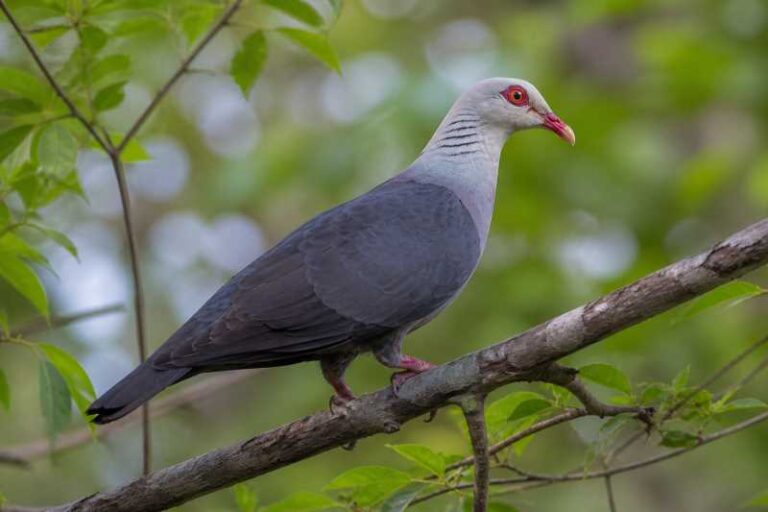
The Swallow-tailed Gull is renowned for its striking plumage and distinctive forked tail. Adult gulls are adorned with a soft gray head, contrasting sharply with their red-ringed eyes and black bills that sport a white tip. Their underparts are a pristine white, while the upper wings and back boast a subtle gray shade. During the breeding season, their eye rings become a brighter red, offering a vivid contrast against their plumage. This remarkable coloration not only aids in identification but also plays a role in their mating rituals.
Unique Nocturnal Behavior
Unlike most gulls, the Swallow-tailed Gull is primarily nocturnal. This rare adaptation is believed to be an evolutionary response to avoid competition and predation. Their large eyes are equipped with a reflective layer called the tapetum lucidum, enhancing their night vision and allowing them to hunt effectively in the dark. They primarily feed on squid and small fish, which rise to the ocean’‘s surface at night, making the gull’‘s nocturnal feeding habits advantageous.
Breeding and Nesting
The Swallow-tailed Gull breeds throughout the year, though peak breeding occurs during the warm season from May to October. Nests are typically constructed on rocky cliffs, providing a safe haven from terrestrial predators. Pairs are known for their long-term monogamous bonds, often returning to the same nesting sites each year. Both parents partake in incubating the single egg laid per breeding cycle and share feeding responsibilities once the chick hatches. This cooperative approach ensures high survival rates for their offspring.
Ecological Role and Conservation Status
As a predator of marine life, the Swallow-tailed Gull plays a vital role in maintaining the ecological balance within its habitat. By preying on squid and fish, they help control these populations, ensuring a healthy marine ecosystem. However, despite their ecological importance, these gulls face threats from human activities, including fishing, tourism, and pollution. Their habitats are also vulnerable to the impacts of climate change, which can alter food availability and nesting sites.
The International Union for Conservation of Nature (IUCN) currently lists the Swallow-tailed Gull as Least Concern, thanks to their stable population numbers. Nevertheless, continuous monitoring and conservation efforts are essential to protect these birds from future threats. Conservation programs focused on habitat protection and sustainable tourism are crucial in preserving the delicate balance of the Galápagos ecosystem.
Cultural Significance
The Swallow-tailed Gull holds a special place in the cultural fabric of the Galápagos Islands. Its unique characteristics and behaviors have made it a symbol of the islands’‘ rich biodiversity. Birdwatchers and ecotourists flock to the Galápagos to witness these gulls in their natural habitat, contributing to the local economy and raising awareness about the importance of conservation efforts.
Fascinating Facts
1. **Exclusive Range:** The Swallow-tailed Gull is the only gull species endemic to the Galápagos Islands, with a few found on the Colombian island of Malpelo.
2. **Incredible Navigation:** Researchers believe that these gulls use the stars to navigate during their nocturnal flights, a testament to their remarkable adaptation skills.
3. **Vocal Communication:** Swallow-tailed Gulls are known for their distinctive calls, which vary from low grunts to high-pitched whistles, often used during mating and territorial displays.
Conclusion
The Swallow-tailed Gull stands as a testament to the wonders of evolution and adaptation. Its unique nocturnal habits, striking appearance, and ecological role make it an integral part of the Galápagos Islands’‘ ecosystem. As we continue to explore and understand these remarkable birds, it is crucial to support conservation efforts that protect their natural habitats and ensure their survival for future generations. By doing so, we can preserve the beauty and diversity of our planet’‘s avian life.
In conclusion, the Swallow-tailed Gull is not just an avian species; it is a symbol of the intricate balance of nature and the importance of conserving our natural world.
Related posts