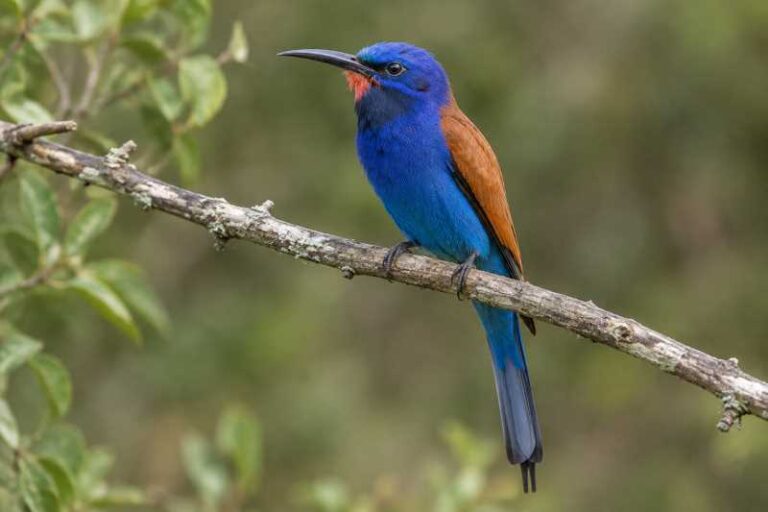
The Pectoral Sandpiper: A Marvel of Migration
The Pectoral Sandpiper (*Calidris melanotos*) is a captivating bird species that has intrigued ornithologists and bird enthusiasts alike. Known for their remarkable migratory patterns and unique physical characteristics, these birds play an essential role in the ecosystems they inhabit across the globe. This article delves into the fascinating world of the Pectoral Sandpiper, exploring their habitat, behavior, and the challenges they face in a rapidly changing world.
Habitat and Distribution
Pectoral Sandpipers have an extensive migratory range, breeding in the tundra regions of North America and eastern Siberia, and wintering in South America, particularly in Argentina and southern Brazil. During migration, they are known to travel vast distances, covering nearly 10,000 kilometers from their breeding to their wintering grounds. This incredible journey takes them through a variety of habitats, including wetlands, grasslands, and coastal areas, where they stop to rest and refuel.
The choice of breeding grounds is primarily influenced by the availability of food and suitable nesting sites. In the Arctic tundra, they prefer areas with moist vegetation, which provide ample food supply and concealment from predators. During migration and in their wintering habitats, Pectoral Sandpipers are often found in intertidal zones, freshwater marshes, and agricultural fields where they forage for insects, crustaceans, and other invertebrates.
Physical Characteristics
The Pectoral Sandpiper is a medium-sized shorebird, measuring approximately 20-23 cm in length, with a wingspan of about 40-45 cm. One of the most distinguishing features of this bird is its “pectoral” marking—a dark, streaky band across the chest that contrasts sharply with the white belly. This feature gives the bird its name and aids in identification.
Males and females are similar in appearance, though males are typically slightly larger. During the breeding season, males engage in an extraordinary display flight, using their distinctive vocalizations and puffing up their chests to attract females. This courtship display is not only a spectacle but also an integral part of their reproductive strategy.
Behavior and Diet
Pectoral Sandpipers are known for their foraging technique, often seen probing the mud or shallow water with their long, flexible bills to extract prey. Their diet mainly consists of insects, larvae, crustaceans, and other small invertebrates found in their habitats. During migration, they may also consume seeds and plant material to supplement their diet, ensuring they have the necessary energy reserves for their long journey.
These birds are solitary foragers, although they often congregate in small flocks during migration. Their social behavior is particularly evident in their breeding grounds, where males establish territories and perform elaborate displays to attract females. After mating, females are solely responsible for nest building, incubation, and rearing the young, often laying a clutch of four eggs.
Conservation Status and Challenges
The Pectoral Sandpiper is currently classified as “Least Concern” by the International Union for Conservation of Nature (IUCN). However, like many migratory bird species, they face several challenges that could impact their populations. Habitat loss due to agricultural expansion, climate change affecting breeding and wintering grounds, and human disturbances are significant threats.
Efforts to conserve Pectoral Sandpipers focus on protecting critical habitats along their migratory routes. International cooperation is essential, as these birds traverse multiple countries during their annual migrations. Conservation initiatives often involve partnerships between governments, non-governmental organizations, and local communities to ensure that these habitats remain viable for future generations of Pectoral Sandpipers.
The Importance of Research and Monitoring
Ongoing research and monitoring are vital to understanding the dynamics of Pectoral Sandpiper populations and their responses to environmental changes. Satellite tracking and banding studies provide insights into their migratory patterns, helping researchers identify key stopover sites and potential threats. Such data is crucial for developing effective conservation strategies and ensuring the long-term survival of this remarkable species.
In conclusion, the Pectoral Sandpiper is a symbol of endurance and adaptability, showcasing the wonders of avian migration. By fostering awareness and supporting conservation efforts, we can help protect these extraordinary birds and the ecosystems they represent. The Pectoral Sandpiper’s journey is a reminder of the interconnectedness of our natural world and the shared responsibility we have to preserve it.
Related posts