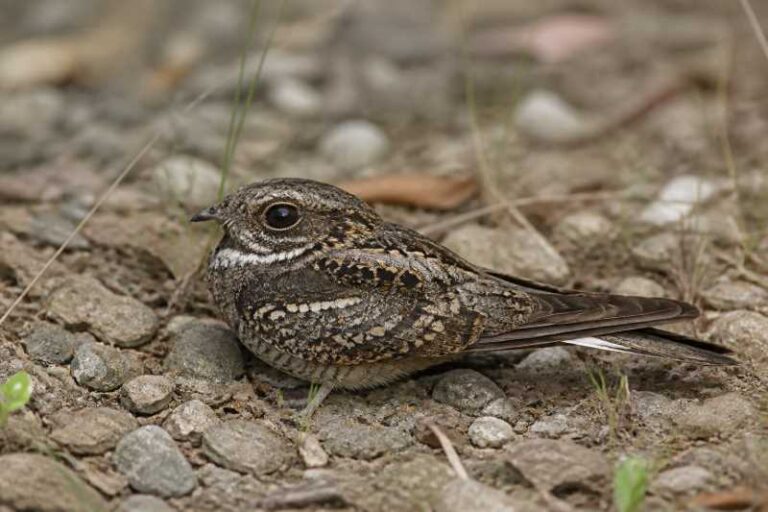
Understanding the Grey Pratincole (Glareola cinerea): A Comprehensive Overview
The Grey Pratincole (Glareola cinerea) is a fascinating bird species belonging to the family Glareolidae, which encompasses pratincoles and coursers. Known for its unique appearance and intriguing behaviors, this bird is a subject of interest for ornithologists and bird enthusiasts alike. This article delves into various aspects of the Grey Pratincole, including its physical characteristics, habitat, behavior, reproduction, and conservation status.
Physical Characteristics
The Grey Pratincole is a medium-sized bird, measuring approximately 19 to 21 centimeters in length. Its wingspan ranges from 48 to 54 centimeters, making it an agile flyer. As its name suggests, the bird exhibits a predominantly grey plumage, which provides excellent camouflage against its natural surroundings. The upperparts are a soft grey, while the underparts are paler. Notably, the bird features a distinctive white throat and a black eye-stripe that contrasts sharply with its grey feathers. The wings are long and pointed, assisting in its swift flight, and the tail is forked, a characteristic shared with other pratincoles.
Habitat and Distribution
Grey Pratincoles are typically found in sub-Saharan Africa, with their range extending from Senegal and Gambia in the west to Ethiopia and Kenya in the east, and as far south as northern South Africa. They inhabit open landscapes, often near water bodies such as rivers, lakes, and marshes. These birds are well-adapted to flat, sandy, or gravelly terrains, where their plumage blends seamlessly with the environment. Their preference for habitats rich in aquatic insects makes them frequent visitors to riverbanks and floodplains during the breeding season.
Behavior and Diet
The Grey Pratincole is a diurnal bird, actively foraging during the day. It is an insectivore, with a diet primarily consisting of flying insects such as beetles, grasshoppers, and moths. The bird exhibits a remarkable hunting technique known as "hawking," where it catches prey mid-flight using its agile aerobatic skills. This behavior is facilitated by its long wings and forked tail, allowing it to make sharp turns and rapid maneuvers.
Social by nature, Grey Pratincoles are often seen in small flocks, especially outside the breeding season. They communicate through a series of sharp, high-pitched calls, which are used to maintain contact with fellow flock members. During the breeding season, these birds become territorial, defending their nesting grounds from intruders.
Reproduction and Life Cycle
Breeding occurs during the rainy season when food abundance is at its peak. The Grey Pratincole is a ground-nesting bird, with nests typically located on sandbars or gravel patches close to water. The female lays two to three eggs, which are cryptically colored to blend with the surrounding environment, providing protection from predators. Both parents share incubation duties, which last for about 18 to 21 days.
Once hatched, the chicks are precocial, meaning they are relatively mature and mobile shortly after birth. They leave the nest quickly and are cared for by both parents. The young fledge approximately 25 days after hatching, though they continue to rely on parental support for some time thereafter.
Conservation Status and Threats
The Grey Pratincole is currently listed as Least Concern by the International Union for Conservation of Nature (IUCN). Despite this seemingly secure status, the species faces several threats that could impact its population in the future. Habitat destruction, driven by agriculture, urban development, and climate change, poses a significant risk to their breeding and foraging grounds. Additionally, pollution and water management practices can adversely affect the availability of their insect prey.
Conservation efforts for the Grey Pratincole focus on habitat preservation and the maintenance of healthy ecosystems that support insect populations. Organizations working in bird conservation encourage sustainable land-use practices and promote awareness about the ecological importance of these birds.
Conclusion
The Grey Pratincole is an intriguing species that showcases the beauty and adaptability of avian life. Its unique behaviors and ecological role as an insect predator highlight the intricate balance of nature. Continued research and conservation efforts are essential to ensure that future generations can enjoy and learn from these fascinating birds.
By understanding and appreciating the Grey Pratincole, we contribute to the broader efforts of conserving biodiversity and maintaining the health of our planet’s ecosystems.
Related posts