The Canon Mount Adapter EF-EOS R: A Bird Enthusiast’s Perspective
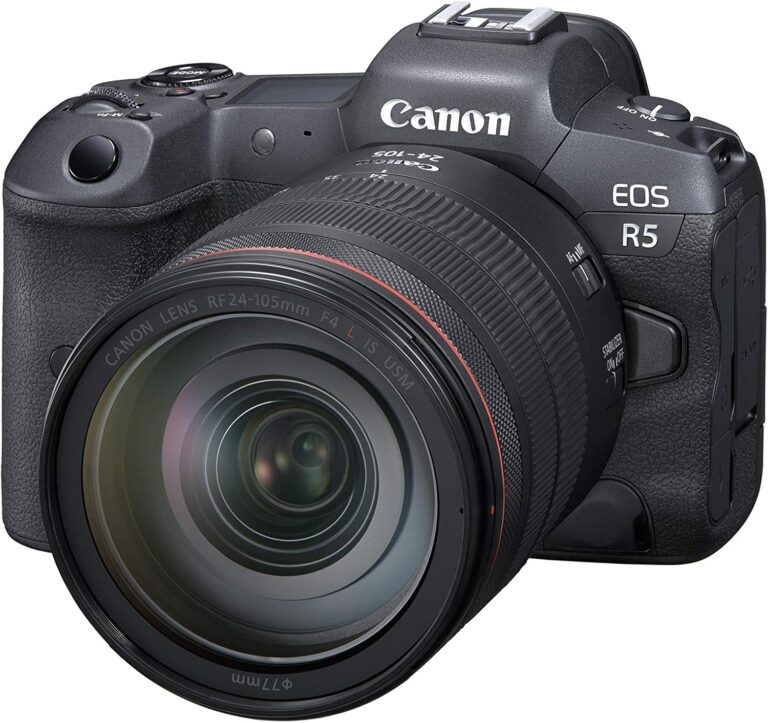
Bird photography is an art form that requires patience, skill, and the right equipment. For many photographers transitioning from Canon’s DSLR lineup to the mirrorless EOS R system, the Canon Mount Adapter EF-EOS R is an essential tool. This adapter allows the use of EF and EF-S lenses on EOS R cameras, making it an attractive option for bird enthusiasts who have invested in a collection of lenses over the years. In this article, we’ll explore the pros and cons of using the Canon Mount Adapter EF-EOS R for bird photography.
Seamless Transition for Canon Users
For bird photographers who have been using Canon’s DSLR cameras, the transition to the mirrorless EOS R system can be daunting, primarily due to the investment in EF lenses. The Canon Mount Adapter EF-EOS R mitigates this concern by allowing these lenses to be used seamlessly on EOS R bodies.
Pros:
- Lens Compatibility: The adapter supports a wide range of Canon EF and EF-S lenses, ensuring that photographers don’t have to part with their favorite lenses.
- Optical Performance: Users report that the adapter does not compromise image quality. The clarity, sharpness, and color accuracy of EF lenses are retained.
- Autofocus Functionality: The adapter ensures that autofocus performance remains comparable to that on a DSLR, which is vital for capturing fast-moving birds.
Enhanced Versatility
Bird photography often requires a variety of lenses to capture different perspectives and behaviors. The Canon Mount Adapter EF-EOS R expands the versatility of the EOS R system by allowing the use of specialized lenses.
Pros:
- Use of Telephoto Lenses: Many bird photographers rely on telephoto lenses to capture distant subjects. The adapter allows for the use of high-quality EF telephoto lenses, which are crucial for this purpose.
- Cost-Effective Solution: Instead of investing in new RF lenses, photographers can continue using their existing EF lenses, making the transition to mirrorless more budget-friendly.
Potential Drawbacks
While the Canon Mount Adapter EF-EOS R offers numerous advantages, it’s essential to consider some potential drawbacks that bird photographers might encounter.
Cons:
- Added Weight and Size: The adapter adds a slight increase in weight and length to the camera setup. For photographers who prefer lightweight gear for fieldwork, this might be a minor inconvenience.
- Weather Sealing Concerns: Although the adapter itself is well-built, some users have expressed concerns about the overall weather sealing when the adapter is added to the camera-lens setup. In adverse weather conditions, this might require additional precautions.
- Occasional Autofocus Lag: While autofocus is generally reliable, some users have noted occasional lags or hunting, particularly in low-light conditions. This can be frustrating when trying to capture fleeting bird moments.
Practical Considerations
When considering the Canon Mount Adapter EF-EOS R, bird photographers should take into account their specific needs and shooting environments.
Field Recommendations:
- Test in Controlled Settings: Before taking the adapter into the field, it’s advisable to test it in a controlled setting to become familiar with any quirks or adjustments needed.
- Backup Solutions: Given the potential for autofocus lag, having a backup plan, such as manual focus techniques or alternate lenses, can be beneficial.
Conclusion
The Canon Mount Adapter EF-EOS R presents a valuable solution for bird photographers transitioning to the mirrorless EOS R system. Its ability to maintain lens compatibility without sacrificing performance makes it an indispensable tool for many. While there are minor drawbacks, such as added weight and occasional autofocus issues, these are outweighed by the benefits of versatility and cost savings.
For avid bird enthusiasts committed to capturing the beauty of avian life, the Canon Mount Adapter EF-EOS R is a worthwhile investment. It offers a bridge between the past investments in EF lenses and the future of mirrorless photography.
As with any piece of equipment, the key to success lies in understanding its capabilities and limitations. By doing so, bird photographers can continue to capture stunning images, ensuring that each feathered moment is preserved in its full glory.
Related posts