The Lesser Nighthawk: A Nocturnal Marvel of the Sky
The Lesser Nighthawk (Chordeiles acutipennis) is a fascinating bird species that captivates ornithologists and bird enthusiasts alike with its distinctive behaviors and adaptations. Part of the nightjar family, this elusive bird is found predominantly in the Americas, where it thrives in arid and semi-arid habitats. Its unique adaptations to a nocturnal lifestyle and its role in the ecosystem make it a subject of significant interest in avian studies.
Physical Characteristics and Identification
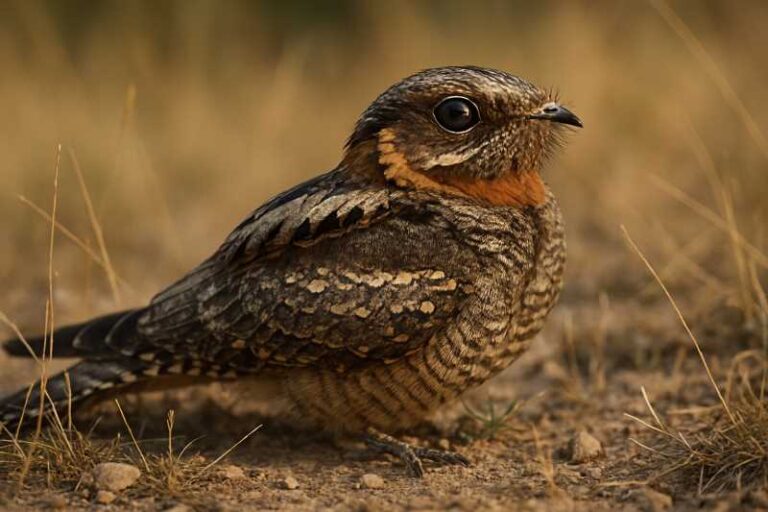
The Lesser Nighthawk is a medium-sized bird, measuring approximately 8 to 9 inches in length, with a wingspan that can reach up to 24 inches. Its plumage is a mottled blend of browns, grays, and whites, providing excellent camouflage against the desert and scrubland environments it inhabits. This cryptic coloration is vital for its survival, allowing the bird to remain concealed from predators during the daylight hours when it rests on the ground or low perches.
One of the most notable features of the Lesser Nighthawk is its long, pointed wings and short, slightly rounded tail. These adaptations are crucial for its aerial lifestyle, enabling agile flight maneuvers and efficient hunting during its nocturnal forays. The bird’s large, reflective eyes are adapted for low-light vision, enhancing its ability to spot prey in the dim light of dusk and dawn.
Behavior and Ecology
As a crepuscular and nocturnal species, the Lesser Nighthawk is most active during the twilight hours and throughout the night. It is an insectivorous bird, relying heavily on its aerial prowess to catch flying insects such as moths and beetles. The bird’s flight is characterized by rapid, darting movements interspersed with glides, a pattern that is both efficient for foraging and essential for avoiding predators.
The Lesser Nighthawk employs a sit-and-wait strategy, often perching on open ground or low branches and taking off to catch prey in mid-air. Its feeding strategy is energy-efficient, maximizing caloric intake while minimizing energy expenditure. This behavior is particularly beneficial in the arid environments where food resources can be unpredictable.
Breeding and Nesting Habits
The breeding season for the Lesser Nighthawk typically occurs in the spring and early summer. Unlike many bird species, the Lesser Nighthawk does not build a traditional nest. Instead, it lays its eggs directly on the ground, in open areas with sparse vegetation. The eggs are well-camouflaged, blending seamlessly with their surroundings to avoid detection by predators.
Parental care is primarily the responsibility of the female, who incubates the eggs and tends to the chicks after they hatch. The young nighthawks are precocial, meaning they are relatively mature and mobile shortly after hatching. This rapid development is crucial for survival, allowing the chicks to quickly gain the ability to evade potential threats.
Conservation Status and Challenges
Currently, the Lesser Nighthawk is listed as a species of Least Concern by the International Union for Conservation of Nature (IUCN). However, like many wildlife species, it faces challenges that could impact its population stability. Habitat destruction due to urbanization and agricultural expansion poses a significant threat, reducing the availability of suitable nesting and foraging areas.
Additionally, climate change presents a looming challenge, potentially altering the availability of insect prey and affecting the timing of breeding seasons. Conservation efforts aimed at preserving natural habitats and mitigating climate impacts are essential for ensuring the long-term survival of this remarkable bird.
Conclusion
The Lesser Nighthawk is a testament to the remarkable adaptability of wildlife to specialized ecological niches. Its nocturnal lifestyle, efficient hunting strategies, and unique breeding habits highlight the diversity and complexity of avian life. As urbanization and environmental challenges continue to threaten natural habitats, understanding and conserving this species becomes increasingly important. By appreciating and protecting the Lesser Nighthawk and its habitat, we contribute to the broader goal of preserving biodiversity for future generations.
Related posts