Chabert Vanga: A Jewel of Madagascar’s Avian Diversity
The Chabert Vanga, scientifically known as *Leptopterus chabert*, is a fascinating bird species belonging to the Vangidae family. This family is part of a larger group known as the passerines, or perching birds, which are characterized by their toe arrangement that facilitates perching. Native exclusively to the island of Madagascar, this species is a testament to the island’s unique and vibrant biodiversity.
Taxonomy and Description
The Chabert Vanga was first described in the early 19th century and has since been a subject of interest for ornithologists and bird enthusiasts alike. The genus *Leptopterus* is derived from Greek, meaning “slender wing,” which aptly describes the bird’s elegant form.
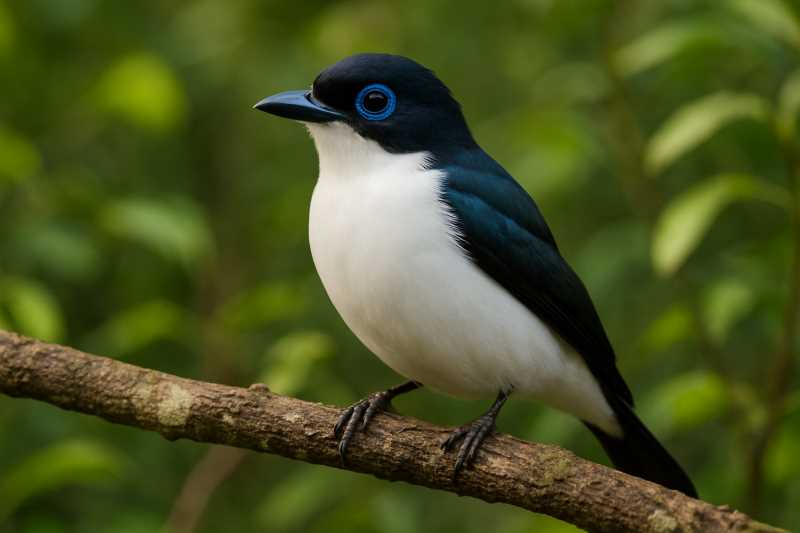
This medium-sized bird measures approximately 16 to 18 centimeters in length. Both males and females exhibit a striking plumage characterized by a predominantly white body contrasted with glossy black wings and tail. The head is adorned with a distinctive black mask that extends from the beak across the eyes, reminiscent of a superhero’s mask. The beak is stout and slightly hooked, adapted for its varied diet.
Habitat and Distribution
The Chabert Vanga is found throughout Madagascar, inhabiting a range of environments from humid lowland forests to dry deciduous forests and even degraded habitats such as plantations and secondary growth. This adaptability to various habitats makes the Chabert Vanga one of the more resilient bird species in Madagascar.
Their preference, however, lies in the lush canopies of primary forests where they can be seen flitting from branch to branch in search of food. The forests of Madagascar are rich in biodiversity but also face threats from deforestation and habitat fragmentation, which pose significant risks to the Chabert Vanga’s natural habitat.
Behavior and Diet
Known for their social nature, Chabert Vangas are often observed in small family groups or mixed-species flocks. This social behavior is thought to be beneficial in terms of foraging efficiency and protection against predators.
The diet of the Chabert Vanga is primarily insectivorous, comprising a variety of insects and other small invertebrates. They are adept at gleaning prey from the foliage, using their strong beaks to pick insects from leaves and bark. Additionally, they have been known to consume fruits and seeds, which provides a source of nutrition during the leaner months when insects are less abundant.
Reproduction and Lifespan
The breeding season for the Chabert Vanga typically coincides with the rainy season in Madagascar, which provides a plentiful supply of food for raising young. Nests are constructed high in the trees and are usually cup-shaped structures made from twigs and leaves.
Females lay a clutch of two to three eggs, which both parents help incubate. After hatching, the chicks are altricial, meaning they are born relatively undeveloped and require significant parental care. Both parents are involved in feeding and protecting the young until they fledge.
Conservation Status
The Chabert Vanga is currently listed as Least Concern on the IUCN Red List. This status is due to its relatively wide distribution across Madagascar and its ability to thrive in various habitats. However, ongoing threats such as deforestation, habitat loss, and the effects of climate change could potentially impact its population in the future.
Conservation efforts in Madagascar are crucial for ensuring the protection of habitats that support not only the Chabert Vanga but also the myriad other species that call the island home. Initiatives aimed at sustainable forestry practices and the establishment of protected areas are vital steps in preserving Madagascar’s unique biodiversity.
Cultural Significance
While the Chabert Vanga may not hold significant symbolic value in Malagasy culture compared to other endemic species, its presence is a constant reminder of the natural beauty and ecological importance of Madagascar’s forests. Birdwatching tourism, which includes sightings of the Chabert Vanga, contributes to the local economy and highlights the importance of preserving these natural habitats.
Conclusion
The Chabert Vanga is a striking example of Madagascar’s extraordinary avian diversity. Its adaptability and resilience make it a symbol of hope in the face of environmental challenges. As stewards of the environment, it is our responsibility to ensure that species like the Chabert Vanga continue to thrive for generations to come.
In conclusion, *Leptopterus chabert* serves as a beautiful reminder of the interconnectedness of ecosystems and the need for concerted conservation efforts. Protecting its habitat not only supports the Chabert Vanga but also the broader ecological balance that sustains countless other species.
Related posts