The Streaked Shearwater: Guardians of the Ocean Air
The Streaked Shearwater, scientifically known as Calonectris leucomelas, is a captivating seabird that graces the skies of the Pacific Ocean. Known for their remarkable flight capabilities and unique lifestyle, these birds are a testament to the wonders of avian adaptation and the intricate balance of marine ecosystems.
Habitat and Distribution
Streaked Shearwaters primarily breed on islands in the western Pacific, with large colonies found in Japan, South Korea, and Taiwan. These islands provide safe nesting grounds away from mainland predators, allowing these birds to thrive. They prefer subtropical and temperate waters, often seen gliding effortlessly over the ocean’s surface, searching for food.
During the non-breeding season, Streaked Shearwaters embark on extensive migrations, traveling across vast oceanic expanses. They are known to reach the eastern Pacific, including areas around Hawaii and even as far as the coasts of California. This migratory behavior showcases their incredible endurance and navigation skills, guided by the stars and Earth’s magnetic fields.
Physical Characteristics
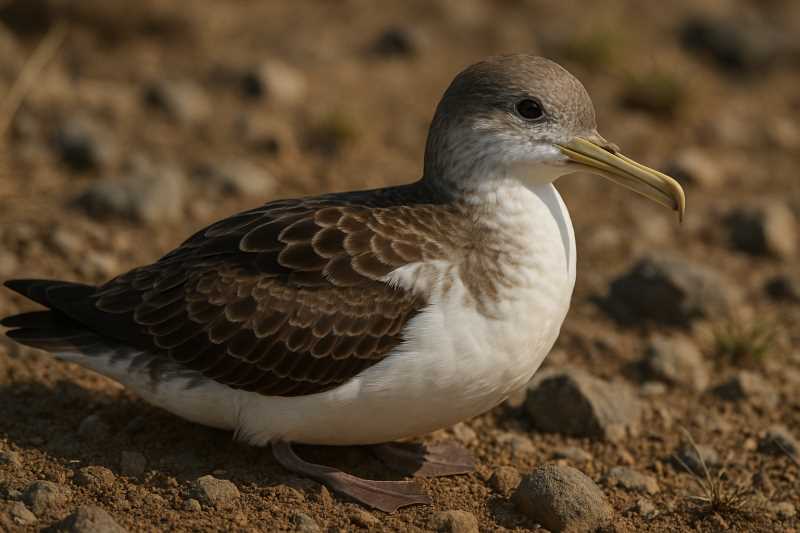
Streaked Shearwaters are medium-sized seabirds, measuring around 48 to 51 cm in length with a wingspan of 122 to 130 cm. Their plumage is predominantly brown and white, with a streaked pattern on their head and upper parts, which gives them their name. This coloration provides effective camouflage against the ocean’s reflective surface, protecting them from aerial predators.
Their long, narrow wings are perfectly adapted for dynamic soaring—a flight technique that allows them to exploit wind gradients above the ocean’s waves with minimal energy expenditure. This ability to glide for hours without flapping is crucial for their long migratory journeys.
Feeding and Behavior
The diet of the Streaked Shearwater mainly consists of fish and squid, which they catch by surface-seizing or shallow diving. They are often seen feeding in large flocks, sometimes in association with other seabirds or marine mammals, which help locate food-rich areas. This opportunistic feeding behavior ensures they can take advantage of varying oceanic conditions.
Streaked Shearwaters are also known for their nocturnal habits during the breeding season. This behavior helps them avoid predation and disturbance while returning to their nests to feed their chicks. Their calls, a series of wailing sounds, are often heard at night near breeding colonies, adding a mysterious ambiance to their remote island homes.
Conservation and Challenges
Currently, the Streaked Shearwater is listed as Least Concern by the IUCN, but like many seabirds, they face several threats. Habitat destruction, particularly the introduction of invasive species to breeding islands, poses a significant risk. Rats and cats can decimate eggs and young chicks, severely impacting population numbers.
Additionally, climate change and its effects on oceanic ecosystems are a growing concern. Changes in sea temperature and currents can affect the availability of prey, while extreme weather events threaten their nesting sites. Conservation efforts focus on habitat protection and restoration, as well as monitoring population trends to ensure these birds continue to thrive.
The Role of Streaked Shearwaters in Ecosystems
As vital components of marine ecosystems, Streaked Shearwaters play a crucial role in nutrient cycling. Their guano enriches island soils, supporting vegetation growth, which in turn provides habitat for other species. Additionally, their predation on fish and squid helps maintain balanced marine food webs.
The study of Streaked Shearwaters also provides valuable insights into the health of oceanic environments. As sentinel species, changes in their behavior or population can indicate shifts in ocean conditions, prompting further research and conservation efforts.
Conclusion
The Streaked Shearwater is a remarkable example of nature’s ingenuity, perfectly adapted to life at sea. Their graceful flight, extensive migrations, and critical ecological roles underscore the importance of preserving their habitats and ensuring the health of our oceans. By protecting these seabirds, we not only safeguard a species but also the intricate web of life they support.
Their story is a reminder of the interconnectedness of life on Earth and the responsibility we hold to preserve it for future generations.
Related posts