The Enigmatic Lucifer Hummingbird: A Jewel of the Desert
The Lucifer Hummingbird (Calothorax lucifer) is a captivating avian species that captures the imagination of bird enthusiasts and ornithologists alike. Known for its striking appearance and unique behaviors, this small bird is a remarkable representative of the hummingbird family. With its vibrant plumage and specialized adaptations, the Lucifer Hummingbird is a true jewel of the desert, predominantly found in arid and semi-arid regions of the southwestern United States and Mexico.
Physical Characteristics and Identification
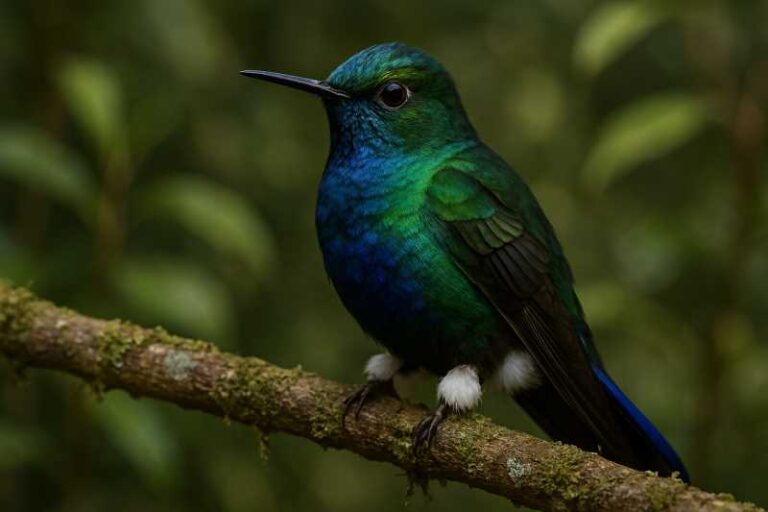
One of the most distinguishing features of the Lucifer Hummingbird is its iridescent plumage. The males are particularly striking, with a brilliant purple gorget (throat patch) that shimmers in the sunlight. This vivid coloration is complemented by a green crown and back, which provide an exquisite contrast. The females, while more subdued, possess a subtle beauty with their green upperparts and pale underparts, often with faint streaks. Both sexes are characterized by their long, slightly curved bills, which are perfectly adapted for feeding on tubular flowers.
Habitat and Distribution
The Lucifer Hummingbird is primarily found in the desert and semi-desert regions, including parts of Arizona, New Mexico, and Texas in the United States, as well as northern Mexico. These birds have a strong affinity for arid landscapes, where they thrive in areas with abundant flowering plants. Their preferred habitats include desert washes, canyons, and rocky slopes, where they can find ample food sources and nesting sites.
Feeding Behavior
Lucifer Hummingbirds are nectarivores, relying heavily on the nectar of flowering plants for sustenance. They have evolved a mutualistic relationship with certain plant species, acting as pollinators while feeding. Their long bills and specialized tongue structures allow them to efficiently extract nectar from deep within flowers. In addition to nectar, these birds also consume small insects and spiders, which provide essential proteins and nutrients necessary for their diet.
Breeding and Nesting
The breeding season for Lucifer Hummingbirds generally occurs from March to August, with variations depending on geographic location. During this time, males perform elaborate courtship displays to attract females, showcasing their vibrant gorget and agility in flight. Once a female selects a mate, she is solely responsible for nest building and caring for the young. The nests are tiny, cup-shaped structures constructed from plant materials and spider silk, often camouflaged with lichen for added protection.
Conservation Status and Threats
Despite their relatively small population, the Lucifer Hummingbird is currently not considered endangered. However, like many wildlife species, they face threats from habitat loss and climate change. Urbanization and agricultural expansion continue to encroach on their natural habitats, posing a risk to their survival. Conservation efforts focused on preserving native flora and maintaining natural habitats are crucial for ensuring the continued existence of these enchanting birds.
Conclusion
The Lucifer Hummingbird stands out as one of nature’s most exquisite avian species, renowned for its dazzling appearance and ecological significance. Observing these birds in their natural habitat offers a glimpse into the intricate balance of desert ecosystems and the marvels of evolutionary adaptation. Efforts to protect their environment not only benefit the Lucifer Hummingbird but also preserve the rich biodiversity of the regions they inhabit.
For birdwatchers and nature lovers, the opportunity to witness the graceful flight and iridescent beauty of the Lucifer Hummingbird is an unforgettable experience, a reminder of the delicate wonders that thrive in the most unexpected places.
Related posts