Scopoli’s Shearwater: Guardians of the Mediterranean Skies
Scopoli’s Shearwater (Calonectris diomedea) is a fascinating seabird that graces the Mediterranean skies with its graceful flight and distinctive calls. Named after the Italian naturalist Giovanni Antonio Scopoli, this species of shearwater is a key indicator of marine health and a critical component of the Mediterranean ecosystem. With their long, slender wings and remarkable navigational abilities, Scopoli’s Shearwaters are adept at long-distance travel, making them a symbol of the interconnectedness of marine environments.
Physical Characteristics and Identification
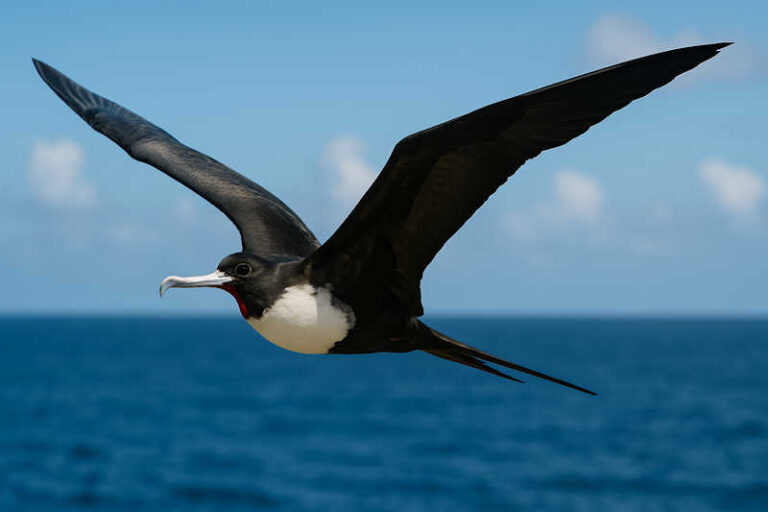
Scopoli’s Shearwaters are medium-sized seabirds, measuring between 45 to 56 centimeters in length, with a wingspan ranging from 110 to 125 centimeters. Their plumage is predominantly grayish-brown on the upper parts, with a contrasting white underside. One of the distinguishing features of this species is its dark-tipped wings and the characteristic ‘M’ shape visible during flight. Their eyes are a deep, soulful brown, and their beaks are pale yellow, curved, and adapted for catching fish.
Habitat and Distribution
These birds are predominantly found in the Mediterranean region, particularly in the western and central parts, although some populations migrate to the Atlantic Ocean during non-breeding seasons. Scopoli’s Shearwaters prefer open seas but are often seen near coastal areas, especially around breeding sites on islands and rocky cliffs. Notable breeding colonies are found in countries such as Italy, Greece, and Spain, where they nest in burrows or crevices to protect their eggs from predators and the elements.
Breeding and Lifecycle
Scopoli’s Shearwaters are monogamous birds, forming long-term pair bonds. The breeding season begins in late spring, with both parents sharing the responsibility of incubating a single egg. The incubation period lasts approximately 50 to 54 days, followed by a fledging period where the chick is cared for by both parents. The young shearwaters are ready to leave the nest around 90 to 100 days after hatching. Remarkably, these birds have a long lifespan, often living over 20 years, which is essential for maintaining stable populations given their slow reproductive rate.
Diet and Feeding Behavior
As pelagic feeders, Scopoli’s Shearwaters primarily consume small fish, squid, and crustaceans. They are skilled hunters, often seen gliding effortlessly over the waves, scanning the water for prey. Their feeding technique involves diving into the water from flight or swimming on the surface to catch their meals. This opportunistic feeding strategy allows them to thrive in varying marine conditions, ensuring they can adapt to changes in food availability.
Conservation Status and Threats
Currently, Scopoli’s Shearwater is classified as ‘Least Concern’ by the International Union for Conservation of Nature (IUCN), but they face several threats that could impact their populations. Human activities, such as overfishing, pollution, and habitat destruction, pose significant risks. Additionally, climate change and its impact on sea temperatures and prey availability could alter their feeding patterns. Conservation efforts focus on protecting breeding sites, regulating fishing practices, and monitoring environmental changes to ensure the survival of this species.
The Role of Scopoli’s Shearwater in the Ecosystem
Scopoli’s Shearwaters play a vital role in the marine ecosystem as both predator and prey. Their feeding activities help control fish populations, maintaining a balance in the marine food web. Furthermore, as they travel great distances during migration, they serve as indicators of ocean health, with their presence signaling productive fishing grounds. Their conservation is crucial for the broader ecological health of the Mediterranean and beyond.
Conclusion
Scopoli’s Shearwater is more than just a captivating seabird; it is a testament to the resilience and complexity of marine life. Protecting this species requires a concerted effort to address the challenges posed by human activity and environmental changes. By safeguarding Scopoli’s Shearwaters, we not only preserve a critical part of the Mediterranean’s natural heritage but also ensure the vitality of a delicate and interconnected marine ecosystem.
Related posts