Understanding Cory’s Shearwater: An Oceanic Sentinel
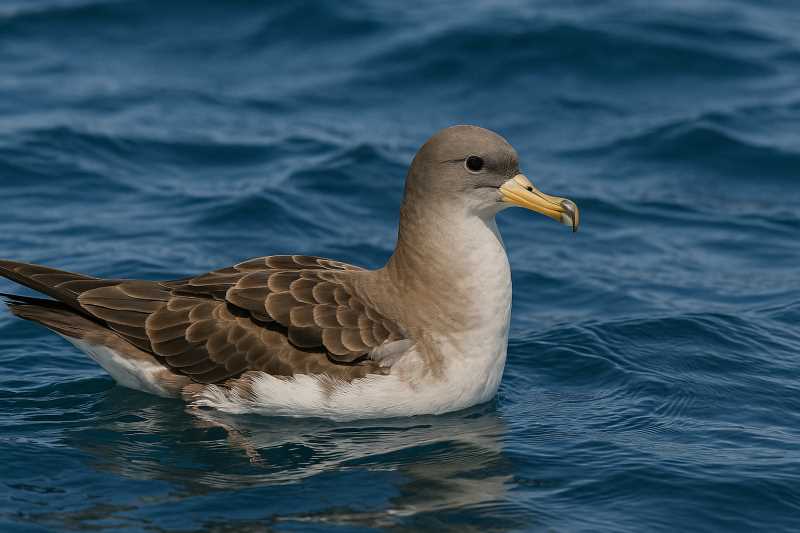
Cory’s Shearwater (Calonectris borealis) is a remarkable seabird known for its extensive oceanic travels and distinctive presence across the North Atlantic. Named after American ornithologist Charles B. Cory, this bird is a key species within the Procellariidae family, which is renowned for its exceptional navigational skills and adaptability to marine environments. As one of the largest shearwaters, Cory’s Shearwater is identifiable by its robust build, long wings, and characteristic flight pattern that sees it gliding effortlessly above the ocean waves.
Habitat and Distribution
Cory’s Shearwater is predominantly found in the North Atlantic, nesting on islands such as the Azores, Canary Islands, and Madeira. These seabirds are pelagic, spending the majority of their lives at sea and only coming to land to breed. The expansive oceanic range of Cory’s Shearwater encompasses the Mediterranean Sea and the eastern seaboard of North America, highlighting their adaptability to varying marine conditions. The islands provide ideal breeding grounds due to their isolation, which minimizes the threat of terrestrial predators, allowing these birds to breed in relative safety.
Breeding and Lifecycle
The breeding season for Cory’s Shearwater typically starts in late spring. These birds are monogamous, often returning to the same partner and nesting site year after year. Nests are usually located in burrows or crevices on cliffs, which offer protection from the elements and predators. A single egg is laid and incubated by both parents over a period of about 54 days. Once hatched, the chick is fed regurgitated fish and squid by both parents until it fledges at around 90 to 100 days old. Post-fledging, young shearwaters embark on extensive migratory journeys, sometimes traveling as far as the waters off Brazil and South Africa.
Feeding Habits
Cory’s Shearwater primarily feeds on fish, squid, and crustaceans, which they adeptly catch near the ocean surface. Their feeding strategy involves both surface seizing and plunge-diving, highlighting their versatility in the marine environment. These seabirds often follow fishing boats to scavenge for offal, which has become an increasingly common feeding strategy due to the abundance of discarded fish byproducts.
Conservation Status and Threats
Currently, Cory’s Shearwater is classified as ‘Least Concern’ by the International Union for Conservation of Nature (IUCN), but this status does not imply that the species is free from threats. Human activities such as overfishing, pollution, and climate change pose significant risks to their habitats and food sources. Furthermore, on land, introduced predators such as rats and cats have been known to raid nests, impacting breeding success. Conservation efforts are focused on habitat protection and the management of invasive species to ensure the continued survival of this iconic seabird.
Significance in Marine Ecosystems
Cory’s Shearwater plays a crucial role in marine ecosystems as both predator and prey. They help in controlling fish populations and act as indicators of oceanic health. Their extensive travels also make them essential for nutrient cycling across vast oceanic distances. As sentinels of the sea, shifts in their population dynamics can provide valuable insights into the broader impacts of environmental changes and human activities on marine ecosystems.
Conclusion
Cory’s Shearwater is not only a fascinating subject of study for ornithologists but also a vital component of marine biodiversity. Their life cycle, migratory patterns, and interactions within the marine environment provide critical insights into the health of oceanic ecosystems. Conservation efforts that prioritize the protection of breeding habitats and mitigation of human-induced threats are essential for ensuring that future generations can continue to marvel at the spectacle of Cory’s Shearwater gliding gracefully above the Atlantic waves.
As we deepen our understanding of these majestic birds, we are reminded of the interconnectedness of all life on Earth and the responsibility we bear in preserving the delicate balance of nature.
Related posts